
A hot water system not working usually comes down to one of four things: no power, no gas, a tripped safety device or a worn part. Start with the hot water circuit breaker, the gas isolation valve, the unit’s power point and a cold tap, and stop straight away if you smell gas or see water pooling.
This guide walks through the checks that are safe for a homeowner, the common causes for electric, gas and continuous flow units, and the signs that the job belongs to a licensed plumber. It also covers the Sydney details that catch people out, such as off-peak tariffs and Ausgrid’s controlled load relay.
Last reviewed: 8 October 2026
First checks when your hot water is not working
These checks only involve looking, listening and switching things you already use. None of them involve opening the unit or touching its wiring.
- Run a cold tap. If the cold water is weak or missing too, the problem is your water supply rather than the hot water system.
- Try a second hot tap. If only one tap or shower runs cold, the fault is usually at that outlet rather than in the heater.
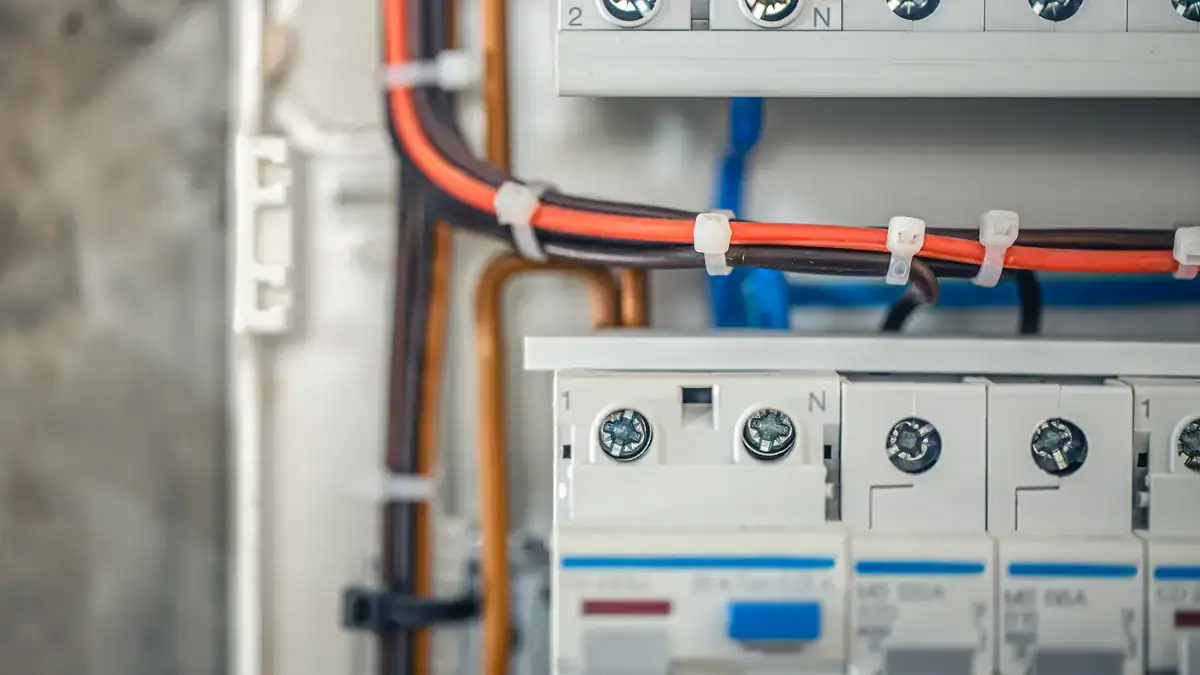
- Check the switchboard. Look for a breaker labelled hot water that sits off or halfway, and switch it fully off and then on once.
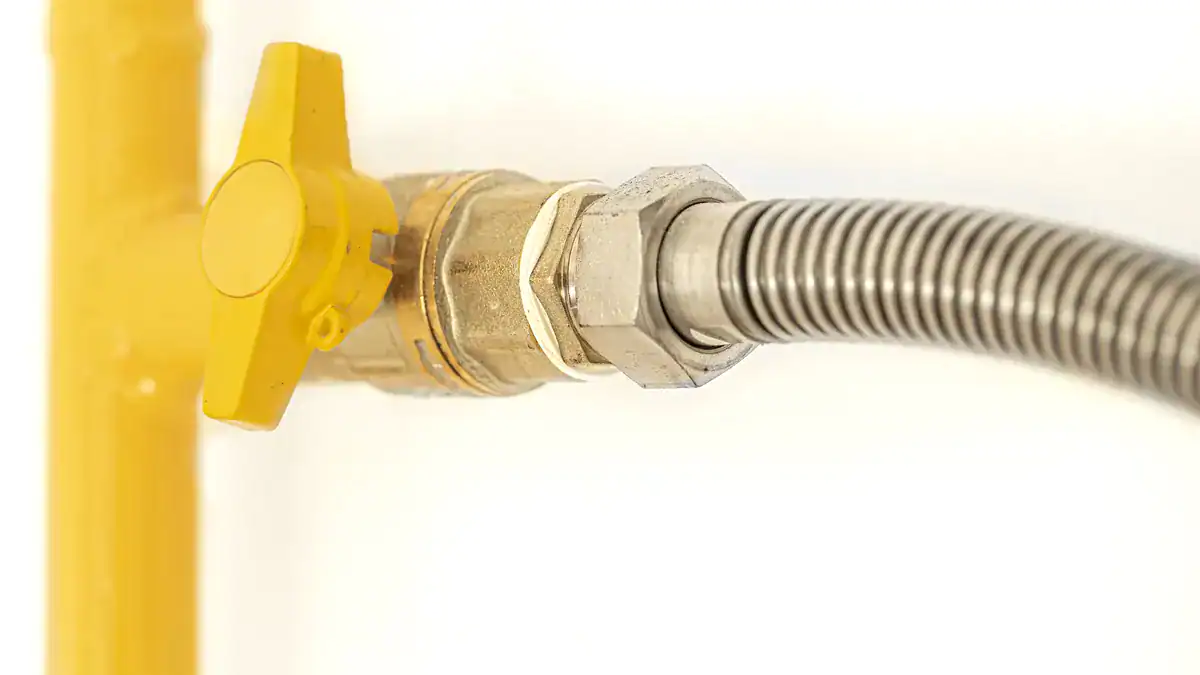
- Check the gas isolation valve. On gas units, the handle on the pipe into the heater is open when it runs in line with the pipe.
- Check the power point. Continuous flow units plug into their own power point, so a tripped circuit or blackout stops them even when the gas is on.
- Think about recent use. A storage tank that has just run several long showers may simply be empty and reheating.
If the breaker trips again as soon as you reset it, leave it off. A breaker that will not stay on is protecting you from an electrical fault inside the heater or its circuit.
Stop and call first in these situations
Some signs mean the checks should stop there. Gas usually smells like rotten eggs, and Jemena takes reports of a suspected leak on 131 909 at any hour.
- You can smell gas near the unit or the meter: leave the area, avoid switches and flames, and call Jemena on 131 909 from outside, or 000 if anyone is in danger.
- Water is pooling under the tank or spraying from a fitting.
- The breaker trips again straight after a reset.
- You hear loud banging, hissing or a constant drip from the relief valve drain.
- The water comes out brown or rusty, or smells odd, from the hot tap only.
If the tank is leaking, turning off the cold water isolation valve on the inlet pipe stops it refilling. Leave the electrical side and the gas controls for the plumber.
Is it the system or one tap?
A hot water service not working at every tap, while the cold runs fine, points to the heater itself. When the kitchen is hot and one shower is cold or lukewarm, the cause is often at that outlet.
Many homes have a tempering valve that blends hot and cold water so bathroom taps stay below scalding temperature. A worn tempering valve can let in too much cold water, and our guide to adjusting a tempering valve explains what a plumber checks there.
Weak flow at one outlet is a different problem again. If the water is hot but barely trickles, the causes in our guide on weak hot water flow are more likely than a heater fault.
Electric hot water system not working
Electric storage tanks are still common in Sydney homes, and most electric faults show up as a hot water system not heating at all, or water that never gets past lukewarm. The causes below run from the simplest to the ones that need a licensed plumber.
Off-peak timing and the controlled load relay
Many electric tanks run on a cheaper off-peak tariff. Energy.gov.au explains that these systems only heat during off-peak times, so a tank emptied in the evening may stay cold until the next heating window.
Your electricity bill shows whether your home has a controlled load. How long a full reheat takes depends on the tank and element, and our guide on heating times for hot water systems gives typical figures.
If the water stays cold for a whole day, the relay at the meter may be the fault rather than the tank. A relay is a switch your distributor uses to turn the heater on and off, and in Sydney’s Ausgrid area it is checked by the network itself.
When you report the fault, Ausgrid sends a technician to the meter and can bridge the relay so the water starts heating. From mid-July 2026 Ausgrid is also changing how controlled load works in parts of Sydney, sending one signal a day to switch the heater on and leaving the thermostat to manage it.
If Ausgrid finds the meter and relay are fine, the fault is inside the hot water system. That is the point to call a plumber.
Faults inside an electric tank
Inside the cover of an electric tank sit the thermostat, the element and a high-temperature cut-out. All three sit next to live 240 volt terminals, so the cover stays on unless a licensed tradesperson is working on it.
- Cut-out tripped: the thermostat’s safety cut-out switches the element off if the water overheats, and a cut-out that has tripped points to a fault that needs finding first.
- Failed element: a burnt-out element leaves the tank cold or lukewarm, and often trips the breaker as it fails.
- Faulty thermostat: the element never switches on, or heats to the wrong temperature.
- Sediment: minerals settle on the base of the tank, so the unit rumbles or pops and runs out faster than it used to.
- Worn anode: once the sacrificial anode is used up, the tank starts to corrode and the hot water may turn rusty.
On many older Sydney installs the heater is hard-wired rather than plugged in. NSW lets licensed plumbers hold an electrical disconnection endorsement for hot water heaters, which covers isolating the unit safely for repairs.
For element, thermostat and tank faults, our electric hot water systems service can test the unit and tell you whether a repair or a new tank makes more sense.
Gas hot water not working
Start with the other gas appliances in the house. If the cooktop will not light either, the problem is the gas supply or the meter rather than the heater.
Gas storage tanks
Older gas storage tanks use a small pilot flame that lights the main burner. If the pilot has gone out, the relighting steps are printed on a label inside the access cover, and you should follow those exact steps only if there is no smell of gas.
If the pilot lights but will not stay alight, the thermocouple or gas control is the usual cause. Those parts sit on the gas line, so replacing them is licensed gasfitting work.
Continuous flow units
Continuous flow units need gas and electricity together. After a blackout or a tripped circuit, the unit may not fire until power returns, and switching it off at its power point for 30 to 60 seconds and back on is the restart the gas network suggests.
These units also need a minimum flow before the burner fires. The Rinnai troubleshooting guide puts it at about 2.5 litres a minute for most models, and notes that blocked aerators or shower heads can cut flow below that.
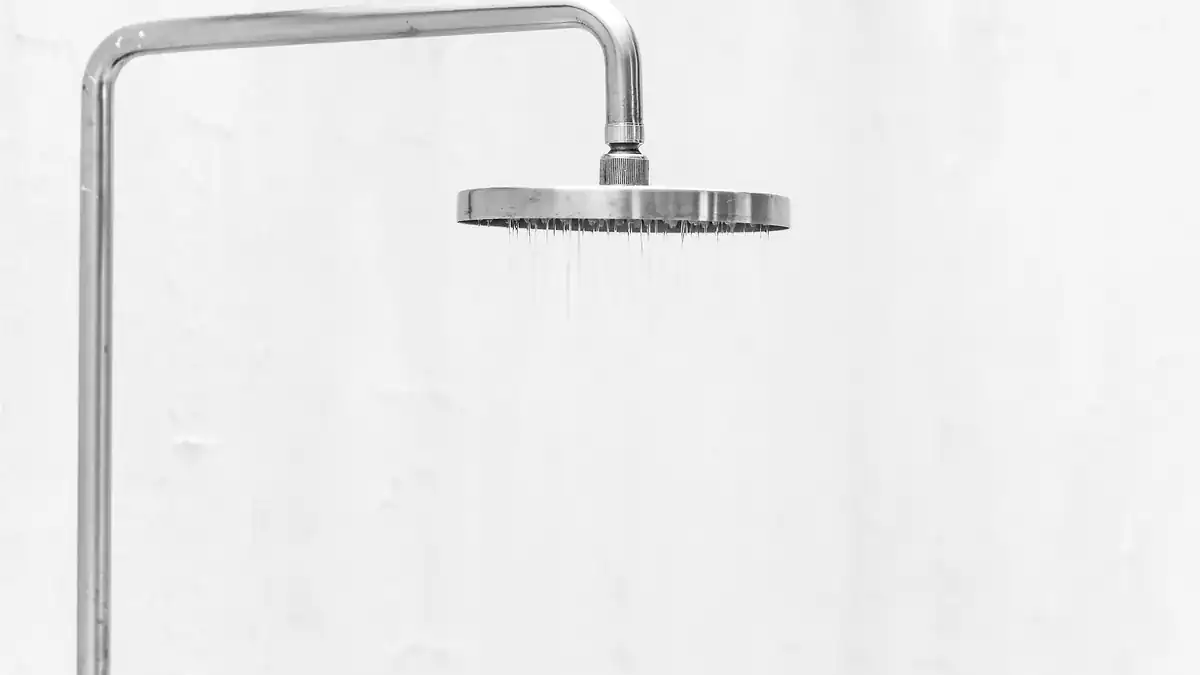
That explains a common call: hot water everywhere except one low-flow shower. Turning the tap further towards hot, or cleaning the shower head, is often enough to bring it back.
Most continuous flow units show an error code on the controller when they stop. Write the number down before you call, since it points straight at the fault.
Common symptoms and what they mean
Use this table to match what you are seeing with the likely cause. The right column shows whether it is something you can safely check or a job for a licensed plumber.
| What you notice | Likely cause Safe check or plumber |
|---|---|
| No hot water anywhere (electric) | Tripped breaker, off-peak timing, relay, cut-out or element Check the breaker and bill; plumber if it trips again |
| No hot water anywhere (gas) | Gas valve off, supply outage, pilot out, no power to the unit Check valve, cooktop and power point; plumber if it will not fire |
| Lukewarm water | Failed element, faulty thermostat or a worn tempering valve Plumber |
| One tap or shower cold | Low flow at that outlet or a tempering valve fault Clean the shower head; plumber for the valve |
| Runs out faster than before | Sediment, one element failed, or more people using it Plumber to test and service |
| Rusty hot water | Worn anode or a corroding tank Plumber |
| Water under the tank | Leaking tank, fitting or relief valve Turn off the cold inlet; plumber |
| Rumbling or popping | Sediment on the base of the tank Plumber to service |
Based on Your Home, Ausgrid and Rinnai guidance. Every system is different.
Safe to check vs licensed work
In NSW, the NSW Government requires a licence for any plumbing, draining or gasfitting work, whatever the size of the job. Electrical wiring needs a licence too, which is why the inside of a hot water unit is off limits.
That still leaves plenty you can do yourself. The line sits roughly here.
- Safe to check: breakers, power points, the gas isolation valve, other gas appliances, your bill for a controlled load, error codes, shower heads and aerators.
- Safe with care: relighting a pilot by the label on the unit, or restarting a continuous flow unit at its power point, only if there is no smell of gas.
- Licensed work: anything behind the access cover, the element, thermostat, cut-out, anode, relief valve, tempering valve, gas controls and the flue.
Brand notes: Rheem, Dux and Rinnai
The checks above apply to every brand, but a few patterns repeat. Rheem electric tanks that keep tripping the breaker often have a failed element, and our Rheem troubleshooting guide covers that range in more detail.
On Dux electric tanks, a tripped cut-out means a fault that needs a licensed plumber or electrician to find before anything is reset. On any brand, water that never gets past warm with a working heater often points to the tempering valve.
Rinnai Infinity units show a numbered error code when they stop. Our guide to Rinnai error codes and resets lists the common ones and which are safe to clear.
Repair or replace?
A failed element, thermostat or tempering valve is usually worth repairing, while a tank that leaks from the body, or gives rusty water from a corroded lining, is usually at the end of its life. If you’re not sure the colour is coming from the tank, our guide on why your water has turned brown shows how to compare the hot and cold taps first.
Age matters too. Your Home notes that glass-lined tanks usually carry 5 to 10 year warranties and stainless steel tanks 10 to 15, and that the sacrificial anode in a glass-lined tank needs replacing every few years.
Before you call, note the system type, brand, rough age, any error code and what changed just before it stopped. A plumber can then bring the likely parts on the first visit.
Frequently asked questions
Why is my hot water suddenly not working?
The most common causes are a tripped breaker, a gas supply or valve problem, a blackout affecting a continuous flow unit, or an off-peak tank that has run empty. Check those before suspecting a failed part.
How do I reset a hot water system?
A continuous flow unit can be restarted by switching it off at its power point for 30 to 60 seconds, as long as there is no smell of gas. Electric tank cut-outs sit behind a cover next to live terminals, so leave that reset to a licensed plumber or electrician.
Why does my cold water work but not my hot water?
With cold water running normally, the supply is fine and the fault is in the heater, its power or gas, or a valve between the heater and the taps. If only one outlet is affected, look at that tap or the tempering valve first.
Why do I have hot water everywhere but the shower?
The shower may not draw enough flow to start a continuous flow unit, or its mixer or tempering valve may be letting in too much cold. A blocked shower head is the easiest of these to rule out.
What temperature should my hot water be?
According to Your Home, storage tanks must reach at least 60°C regularly to control Legionella bacteria. A tempering valve then limits bathroom water to 50°C to prevent scalds.
When to call a plumber
Call a plumber when the breaker will not stay on, the pilot will not hold, the unit leaks or the water stays cold after the checks above. If you smell gas, leave the area and call Jemena first.
Rapid Service Plumbing’s licensed team handles hot water repairs and replacements across Sydney for electric, gas and continuous flow systems. A plumber can explain what has failed and talk you through repair or replacement before any work starts.
This guide is general information. Plumbing, drainage and gas work in NSW must be done by a licensed tradesperson.