Blocked drains never seem to happen at a convenient time. If the plunger’s already had its shot and didn’t work, and you’re not keen on pouring chemicals down your pipes, a drain snake is usually your next move. It’s a simple enough tool. But there’s a right way to use it, and getting it right makes the difference between a five-minute fix and a much bigger problem.
Here’s what a drain snake actually is, how to pick between a hand snake and an electric auger, the safest way to use each one, and when it’s genuinely time to stop and call a plumber.
What Is a Drain Snake?
A drain snake, sometimes called a plumbing snake, or a plumber’s eel if you want to sound like you know what you’re doing, is a long flexible cable you feed into a drain to reach and break up a clog. Most have a coiled or corkscrew tip built to hook onto debris or grind through soft blockages so water can get moving again.
How It Works
You insert the cable into the drain opening and push forward while turning a handle or crank. The coiled tip winds its way around the bends in the pipe until it hits resistance. That’s usually the clog. From there, a bit of pushing, pulling, and rotating either breaks the blockage up or hooks onto it so you can pull it straight out.
Drain Snake vs Drain Auger
You’ll hear these terms used interchangeably a lot, and honestly, they do similar jobs. Generally speaking, “snake” tends to describe the lighter, hand-held tools suited to sinks and smaller pipes, while “auger” often refers to the heavier gear, sometimes with a canister or crank reel, built for bigger drains like toilets, floor wastes, or main lines. Worth knowing before you’re standing in the hardware aisle trying to figure out which one you actually need. If you want the full rundown on technique once you’ve settled on a tool, our detailed guide to snaking a drain is worth bookmarking.
Hand Drain Snake vs Electric Drain Auger
Not every clog needs the same tool, and grabbing the wrong one can turn a quick job into a much longer one.
| Hand Snake | Electric Auger | |
| Best for | Bathroom/kitchen sink clogs, hair, soap residue | Tougher, deeper clogs further down the line |
| Cable length | Usually under 10m | Longer reach, better for main-line runs |
| Cost | Low, budget-friendly | Higher upfront cost |
| Risk level | Lower, pressure is hand-controlled | Higher, needs care to avoid pipe or porcelain damage |
| Good first tool? | Yes | Better once you’re comfortable with technique |
Hand (Manual) Snakes
A hand snake is about as simple as it gets: a coiled cable on a hand crank. It’s cheap, gentle on your pipes, and a solid choice for everyday clogs in bathroom sinks, kitchen sinks, and shower drains, especially where hair, soap residue, or food scraps are the problem. Because you’re controlling the pressure by hand, there’s less chance of doing any damage to older or more fragile pipework.
Electric Drain Augers
An electric drain auger uses a motor to spin the cable, so you get more power and reach than you would with a hand model. It can push through tougher, deeper clogs and cover longer cable runs, which makes it the better option for stubborn blockages further down the line. The catch is that electric models need more care. Push too hard, or let the cable spin unchecked, and you risk cracking porcelain or damaging the pipe walls. If it’s your first time using one, save it for blockages that sit deep in the line, since a hand snake usually can’t match the cable capacity or power an electric auger brings to that kind of job. It’s worth doing a bit of homework on when an electric auger makes sense before you buy, since the right choice really does depend on how often you deal with blockages and how deep they tend to sit.
Which Drains You Can Safely Snake
Not every drain is a good candidate for DIY snaking. Knowing the difference can save you an unnecessary repair bill down the track.
Sinks, Showers, and Bathtubs
These are your classic, low-risk jobs for a hand snake. Hair, soap scum, and light grease build-up in the trap are usually straightforward to clear this way. For more on the bathroom side of things, our guide to unblocking a bath drain walks through the process step by step.
Toilets
Toilets need a dedicated toilet auger, one with a rubber or vinyl boot over the cable end, rather than a standard sink snake. A regular cable can scratch or crack the bowl, so this is one spot where using the right tool actually matters.
Outdoor and Main Line Drains
Blockages further down the system, particularly in older homes with clay or cast iron pipework, are generally best left alone. These jobs often need longer cable runs, more power, and a fair bit of underground know-how. That’s exactly the territory where a professional assessment is the safer call.
How to Use a Hand Drain Snake, Step by Step
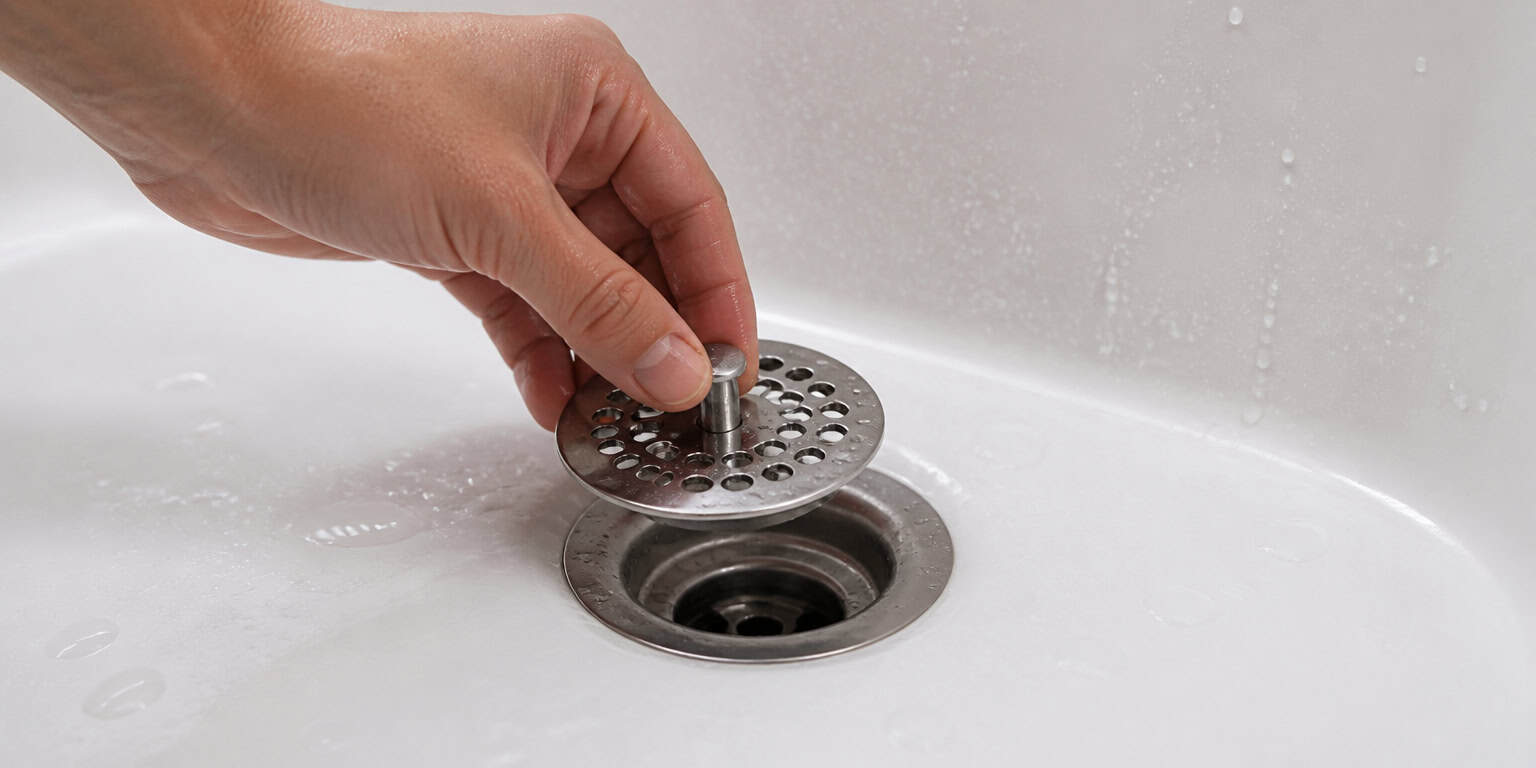
- Prep the area. Remove the drain stopper, strainer, or overflow cover so the cable has a clear run at the opening. Keep a towel or bucket nearby for water or debris.
- Feed and twist the cable. Insert the coiled end into the drain and push gently, turning the handle as you go. The twisting motion helps the cable navigate bends without kinking.
- Locate and clear the clog. You’ll feel resistance, or hear a bit of scraping, once you reach the blockage. Keep turning while applying light pressure. This can hook onto debris or break it apart.
- Withdraw and flush. Wind the cable back out slowly, wiping away debris as it comes. Once it’s clear, run hot water through the drain for a minute or two to flush out anything left behind.
If it’s a kitchen or bathroom sink you’re tackling, our guide on unblocking a sink drain covers a few extra sink-specific tricks worth trying alongside the snake.
How to Use an Electric Drain Auger Safely
The basic technique is much the same, but a motorised cable calls for a bit more caution.
Key Differences in Technique
Feed the cable in slowly and let the motor do the work rather than forcing it forward. Apply steady, light pressure and stop the moment you feel firm resistance. That’s usually the clog, though it could just as easily be a bend in the pipe, and pushing through the wrong one is how the damage happens.
Extra Precautions
Wear gloves and eye protection, and keep a firm grip on the cable so it doesn’t whip back unexpectedly. Take extra care with older pipework in particular. A powered cable can do more damage than a hand snake if it catches the wrong spot.
Common Mistakes to Avoid
- Forcing the cable instead of easing it through bends
- Using the wrong tool for the drain, like a standard snake in a toilet
- Skipping the hot water flush afterwards, which leaves residue behind to build up again
- Ignoring resistance and pushing through anyway, risking a kinked cable or a cracked pipe
When It’s Time to Call a Plumber
A drain snake is a handy thing to have on hand, but it’s not the answer to every blockage. It might be time to call in a licensed plumber if:
- The clog keeps coming back no matter how many times you snake it
- Multiple drains in the house are playing up at once
- You suspect tree roots or a collapsed section of pipe
- The blockage sits in a main line or outdoor drain rather than a single fixture
A CCTV drain inspection can show exactly what’s going on further down the line, which is often the fastest way to put a recurring problem to bed for good. Worth remembering, too, that most licensed plumbing work in NSW goes well beyond basic drain unclogging. So anything touching sewer lines or hot water systems is a job for a professional, not a weekend project.
Key Takeaways
- Match the tool to the job: hand snakes for everyday sink and shower clogs, electric augers for tougher or deeper blockages
- Go slow, twist gently, and never force the cable through resistance
- Toilets need a dedicated toilet auger, not a standard snake
- Recurring clogs, multiple affected drains, or main line blockages are your cue to call a plumber
If your drain keeps clogging no matter what you try, get in touch with Rapid Service Plumbing and we’ll get to the bottom of it.