
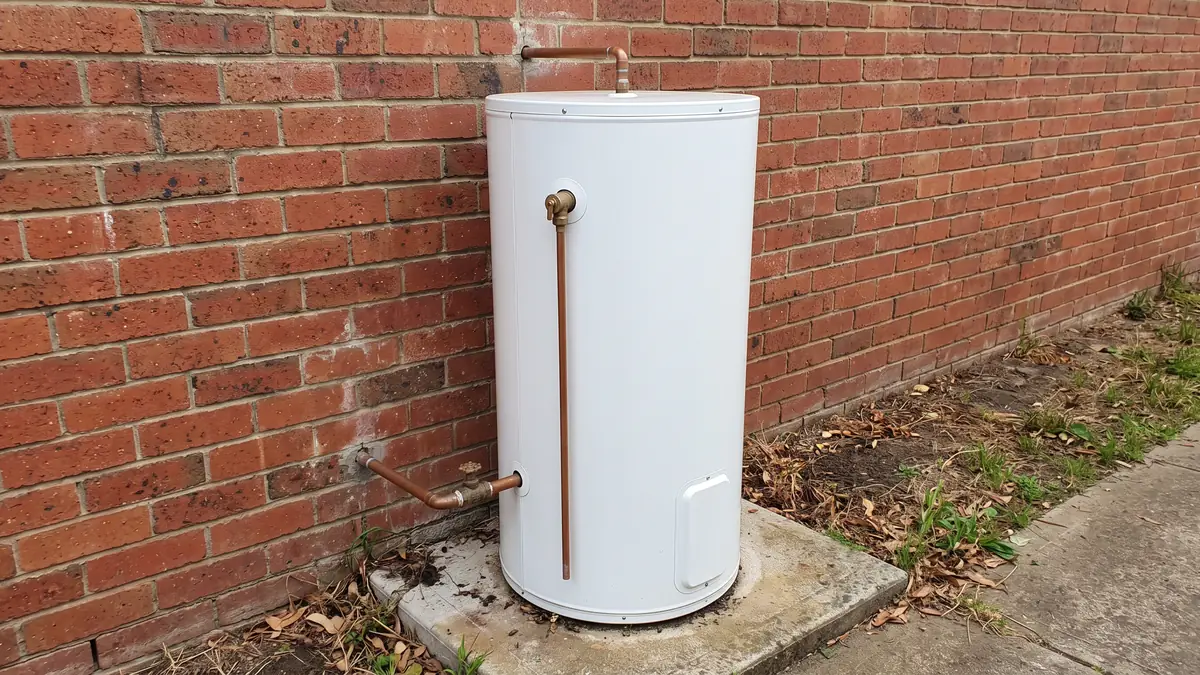
Off peak hot water means your electric tank heats on a separately controlled power supply, usually at a lower rate, and only when that supply is switched on. The tank stores the water so you can use it later. It’s a simple idea, but the details catch people out, because heating times aren’t the same across NSW. They depend on your electricity network, your tariff and, in some cases, your meter.
That’s why one household’s tank might heat overnight while another’s also heats in the middle of the day.
This guide explains how off peak hot water works, how to tell if you have it, why it can run out, and who to call. You won’t need to open any electrical equipment.
What Is Off Peak Hot Water?
Off peak hot water is the everyday name for a hot water system on a controlled load tariff. Energy Made Easy describes a controlled load as a separately wired circuit for a large appliance, with power limited to certain periods.
How a controlled load works
Your household power and your hot water are charged as separate items. The network or your meter controls when the hot water circuit receives power. When it’s on, the tank’s own thermostat decides whether the water needs heating. When it’s off, you draw on what’s already stored.
Controlled Load 1 and Controlled Load 2
In NSW, you’ll usually see these tariffs called Controlled Load 1 and Controlled Load 2. The main difference is how long power is available. Controlled Load 1 generally gives fewer hours and Controlled Load 2 gives more, although the exact rules belong to each network.
What Time Does Off Peak Hot Water Start in NSW?
There’s no single off peak hot water time for NSW. Ausgrid, Endeavour Energy and Essential Energy each publish their own rules, and your retailer can confirm which network supplies your home.
What each network publishes
This table uses each network’s current 2026-27 documents.
| Network | Controlled Load 1 | Controlled Load 2 |
|---|---|---|
| Ausgrid (EA030, EA040) | At least 6 hours in any 24-hour period | At least 16 hours, including at least 4 hours between 7am and 5pm |
| Endeavour Energy (N50, N54) | Supply may not be available between 7am and 10pm | Available for no more than 17 hours in any 24-hour period |
| Essential Energy (BLNC1AU, BLNC2AU) | Generally 5 to 9 hours on weekdays, with extra hours on weekends | 10 to 19 hours on weekdays, with extra hours on weekends |
You can read the details in the Ausgrid Network Price Guide, the Endeavour Energy Network Price List and the Essential Energy Network Price List. Each network can manage or vary its timing, so your bill, retailer or network is the best guide for your home.
Ausgrid smart meter schedule
Ausgrid’s current guide for 2026-27, dated July 2026, also sets out a schedule for its controlled load tariffs on smart meters. Here it is in NSW local time.
| Period | Controlled Load 1 | Controlled Load 2 |
|---|---|---|
| First Sunday in April to first Sunday in October | 10pm to 6:45am, and 10am to 4:45pm | 8pm to 5pm |
| First Sunday in October to 1 November | 10pm to 5:15am, and 10am to 4:45pm | 8pm to 5pm |
| 1 November to first Sunday in April | 10pm to 6:45am, plus a shorter daytime window | 8pm to 3pm |
Don’t expect heating to begin on the dot. Ausgrid’s schedule allows a randomised delay of up to three and a half hours on Controlled Load 1 start times and up to three hours on Controlled Load 2. Ausgrid can also vary these times.
Why more systems now heat during the day
Ausgrid changed Controlled Load 1 switching times in July 2024 to make use of daytime solar generation. The new schedule applies to smart meters. Homes with older meters using ripple receivers or time switches aren’t affected until a smart meter is installed.
A separate change was set to start from mid-July 2026 in parts of Sydney and the Central Coast. Ausgrid said it would send one daily signal to turn these systems on, with no signal to turn them off, leaving the tank’s thermostat in charge. It’s also retiring parts of its older control network, with that role moving to retailer-managed smart meters. Both changes are specific to Ausgrid, so don’t assume they apply on another network.
How to Tell if You Have an Off Peak Hot Water System
You can usually find out without touching anything.
Check your electricity bill
Look for a separate charge called controlled load, or a similar name. Ausgrid notes that you can confirm a controlled load tariff from your bill. If it’s there, your hot water is probably on a controlled supply.
Look for labels, but leave the covers on
If you’re searching for an off peak hot water switch in the fuse box, look only at what you can already see. A label might mention hot water, but it won’t tell you your tariff. Don’t remove covers, and don’t switch circuits on and off to see what changes.
Ask your retailer
Your retailer can tell you how your hot water is currently set up, which tariff you’re on and whether a meter change would affect it.
Which Hot Water Systems Can Use Off Peak Power?
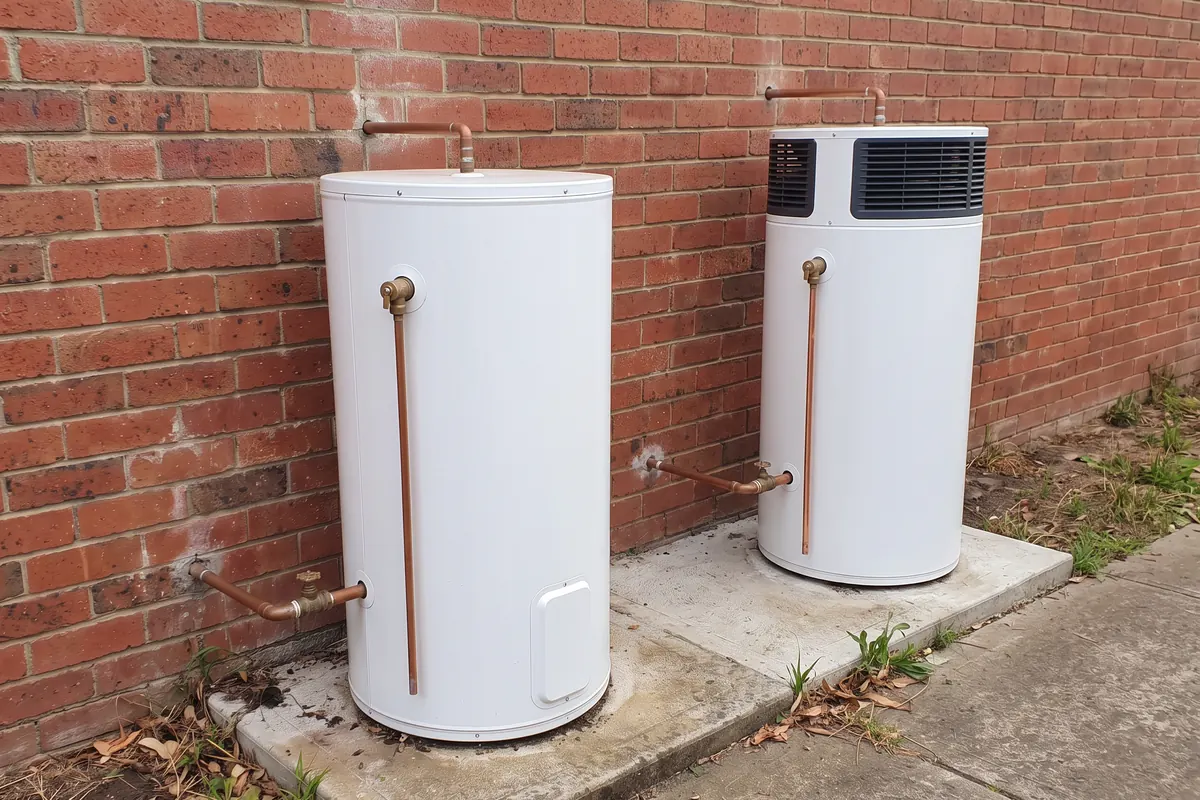
Compatibility is set by your network, so use these Ausgrid examples as a starting point rather than a rule for all of NSW.
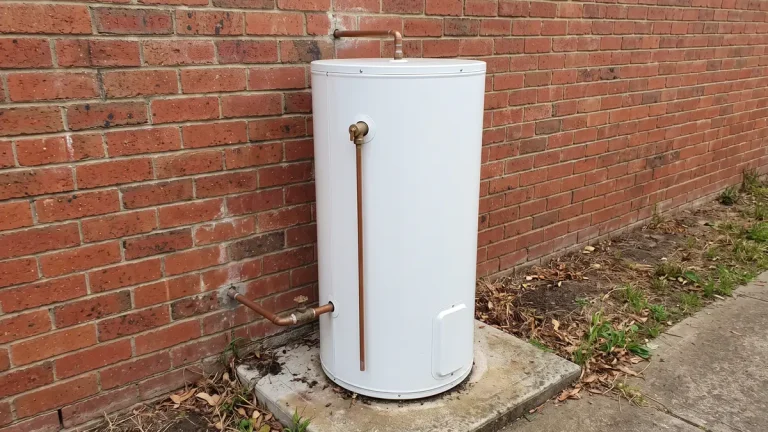
Electric storage tanks
These are the classic off peak hot water system. On Ausgrid’s network, tanks from 100L to under 250L fit Controlled Load 2 only, while tanks of 250L and above can suit either tariff if the heating element meets the rules.
Heat pumps and solar systems
Ausgrid allows heat pump storage systems on a controlled load if they can reheat a set volume in six hours. It also allows electrically boosted solar storage systems under similar conditions to other electric tanks. If you’re weighing up an upgrade, our guide to heat pump hot water systems explains how they work.
Instantaneous and gas systems
Ausgrid’s rules are written around storage systems. An instantaneous unit heats water as you use it, so it has no stored water to carry you through the hours when power is off. Ausgrid also doesn’t offer these tariffs for electrically boosted water heaters that mainly run on gas or another fuel.
Why Your Off Peak Hot Water Runs Out
Running out doesn’t always mean something has failed. Here are the usual explanations.
- You used more than usual. Ausgrid points to everyday causes such as extra showers, guests or more laundry than normal.
- The tank is small for your household. A controlled supply gives the tank limited time to catch up. Our guide on what size hot water system you need can help you compare.
- It can’t fully reheat in one session. Ausgrid warns that Controlled Load 1 doesn’t guarantee a full reheat of tanks above 315L in its minimum six-hour period.
- The operating pattern has changed. If your network or meter arrangement has changed, heating may happen at different times.
If you’ve had no hot water for a day or more, it may be a fault rather than a timing issue. Our electric hot water system not working guide walks through the checks. If there’s water pooling around the tank, call a licensed plumber.
Can You Override Off Peak Hot Water?
Sometimes, but it depends entirely on your system and network. For most households, the answer won’t involve doing anything at the meter box.
Boost controls
If your tank or installation has a labelled boost control and its manual explains how to use it, follow those instructions. Not every system has one, so please don’t go looking behind covers. Ask your retailer how boost use is charged before relying on it. On Ausgrid smart meters, any local boost function is for technicians only and isn’t meant to be accessible to customers.
What to leave alone
Don’t bypass controls, swap wires or fit your own switch. Ausgrid doesn’t allow changeover switches between controlled and non-controlled tariffs, and any wiring change belongs with a licensed electrician.
When a network can step in
On the Ausgrid network, if the fault is with its controlled load equipment, a technician may bridge the relay so the water starts heating. Ausgrid says you’ll still be charged the off peak rate. You can report a hot water fault to Ausgrid or call 13 13 88. If you’re with another network, ask your retailer who to contact.
Does Off Peak Hot Water Save Money?
It can, but there’s no set amount. Energy Made Easy says controlled load appliances can usually get cheaper rates when their power use is limited to the set periods. What you actually pay depends on your plan, how much hot water you use and how well your tank suits your household.
Compare the controlled load rate and any daily charge on your own bill. Before you change plans, ask your retailer what would happen to your controlled load, because a metering change may have a cost.
Who Should You Call?
| Situation | Who to call |
|---|---|
| Tank leaking, faulty valve, tank replacement or sizing | Licensed plumber or hot water specialist |
| Wiring, switchboard work or circuit changes | Licensed electrician |
| Tariff, bill, smart meter or plan questions | Your electricity retailer |
| Faulty controlled load equipment owned by the network | Your network, or ask your retailer who to contact |
Quick Off Peak Checklist
- Check your bill for a controlled load charge.
- Ask your retailer which network and tariff you’re on.
- Consider whether your hot water use has changed.
- Read the manual before using any labelled boost control.
- Keep covers on and leave unfamiliar switches alone.
Frequently Asked Questions
What is CL1 on my electricity bill?
CL1 usually means Controlled Load 1, a separate tariff for an appliance such as an electric hot water system. Its hours depend on your network.
Can I change my off peak hot water times?
Generally, you can’t choose them yourself, because the network or meter schedule sets them. Your retailer can explain what’s available for your home. On the Ausgrid network, returning to a previous control arrangement may not be possible.
Will a smart meter change my heating times?
It can. On the Ausgrid network, a smart meter on Controlled Load 1 moves to the schedule that includes daytime heating. Elsewhere, ask your retailer before the meter is changed.
Need a Hand With Your Hot Water?
If your tank keeps running out, leaks or seems too small for your household, it might be time for a closer look. Rapid Service Plumbing can check the tank, plumbing and sizing, and talk you through electric hot water repairs and replacement across Sydney. Wiring and tariff questions stay with your electrician and retailer.
Sources
All sources were accessed on 2 November 2026.