
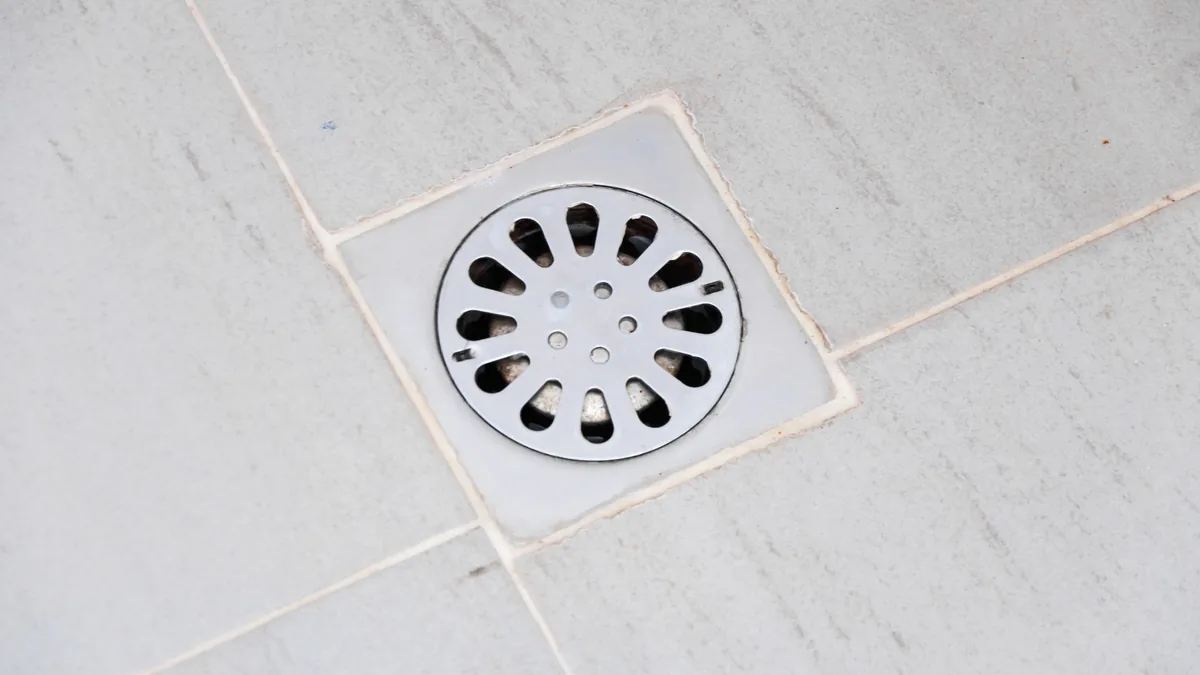
Learning how to unblock a shower drain usually starts at the grate, because most blockages are hair and soap caught in the first few centimetres of pipe. Lift a removable grate, pull the hair out with gloves and a plastic tool, plunge the waste, then run hot tap water to test the flow.
This guide covers each step, which grates to leave alone, and the signs that a slow draining shower is part of a bigger drainage problem. Every method here is kind to your pipes and to the waterproofing under your tiles.
Last reviewed: 3 November 2026
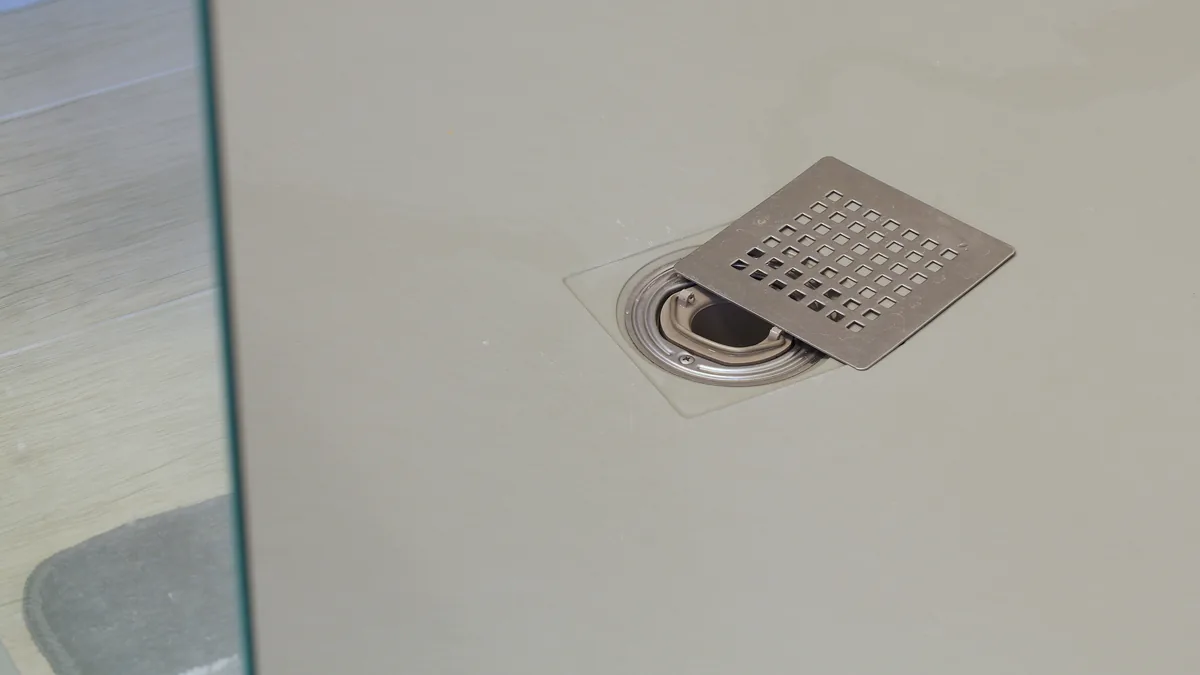
How to Unblock a Shower Drain: The Short Version
Whether you call it a clogged shower drain or a blocked one, the steps for how to unclog a shower drain are the same. Use them when the shower is slow but nothing is coming up from other fixtures.
- Check that only the shower is affected.
- Lift the grate only if it sits loose, clips out or has visible screws.
- Remove the hair and soap with gloves and a plastic hair removal tool.
- Plunge the waste with a cup plunger.
- Run hot tap water, never boiling water, to test the flow.
- Call a licensed plumber if it is still slow or water backs up elsewhere.
Each step is explained below. For sinks, baths and outside drains, our guide to unblocking other drains around the home covers the methods that suit them.
Why Shower Drains Block
Hair, soap, conditioner and skin flakes bind together just below the grate. Soap residue gives loose hair something to stick to, so the clump grows a little with every shower.
That is why a blocked shower drain usually builds up over weeks rather than all at once. Grease, tree roots and foreign objects affect other drains, and our guide to blocked drain causes and warning signs covers them.
Is It Just the Shower, or Something Bigger?
Before you start, check whether the problem sits in the shower or further down the line. A shower that drains slowly on its own is usually a simple fix, but some signs point to the shared drain under the house.
| What you notice | What it usually means |
|---|---|
| Water pools, then drains within a few minutes | Hair and soap near the grate Try the steps in this guide |
| Only the shower is slow | A build-up in the shower’s own waste pipe Try the steps in this guide |
| Shower, basin and bath are all slow | A blockage in a drain they share Call a licensed plumber |
| Water rises in the shower when the toilet flushes or the washing machine empties | The shared line under the house is blocked Stop using water and call a plumber |
| Dirty water or waste comes up through the shower | A blockage in the sewer line Stop using water and call a plumber |
| The shower gurgles when other fixtures drain | A partial blockage further down the line Call a plumber if it keeps happening |
Source: Rapid Service Plumbing’s blocked drain work in Sydney homes. Every home’s drainage is different.
If anything in the bottom four rows sounds familiar, skip the DIY steps. Plunging or running more water can push waste back up into the shower.
Which Shower Grates Are Safe to Lift?
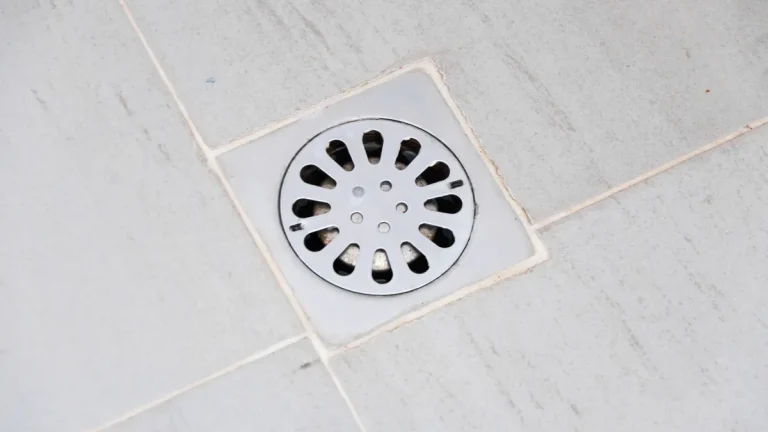
Not every shower grate is meant to come out. Forcing a fixed one can crack tiles or disturb the seal around the drain.
In a tiled shower, the waterproofing sits under the tiles and joins the drain fitting. The National Construction Code requires that membrane to finish at or in the drainage flange, so prying at a fixed grate puts the part that keeps water out of your floor at risk.
- Removable grate: a grate that sits loose or clips into a ring can be lifted with your fingers or a flat plastic tool.
- Screw-fixed grate: undo the visible screws with a screwdriver that fits and lift the grate straight up.
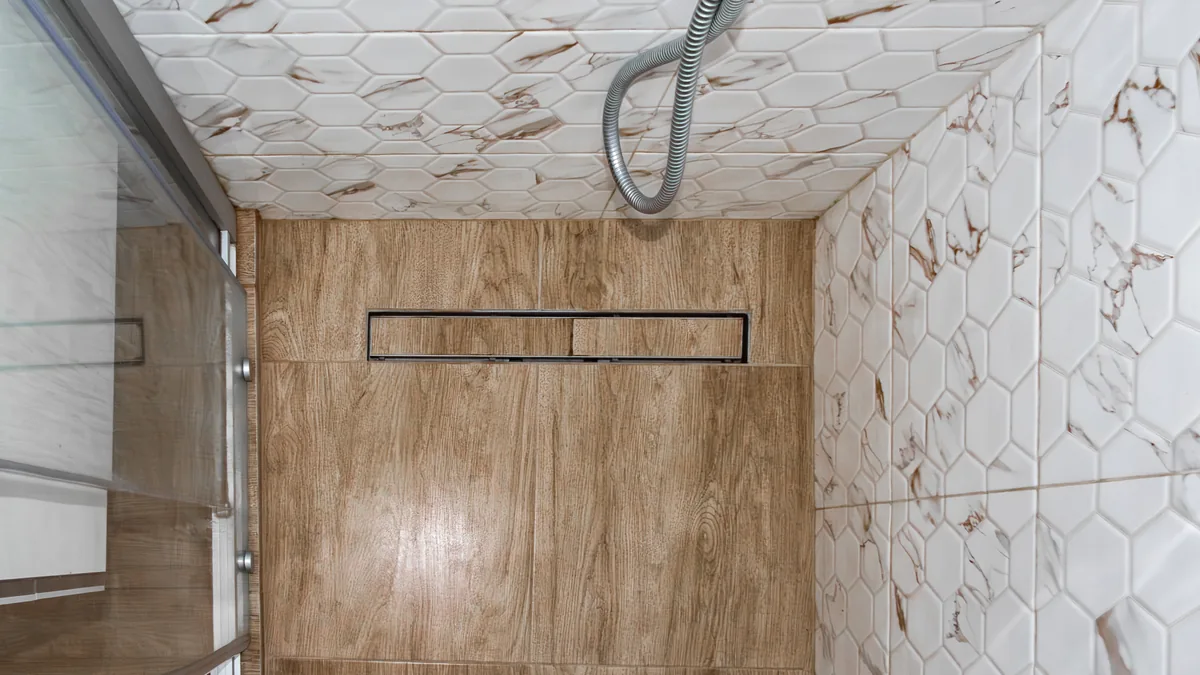
- Glued, linear or tile-insert grate: leave it in place and work through the slots, or ask a plumber.
If you are not sure which type you have, treat it as fixed. A plumber can lift it without damaging the tiles or the waterproofing.
How to Remove Hair From Shower Drain Grates
Most of the blockage is usually within reach once the grate is off. Put on rubber gloves and keep a plastic bag nearby for what comes out.
- Pick off any hair sitting on the grate or around the opening.
- Feed a plastic barbed drain strip, often sold as a hair removal tool, gently into the waste.
- Twist it slowly and pull it straight back out, bringing the hair with it.
- Repeat until the strip comes out clean, then wipe the grate and its ring.
Avoid wire coat hangers, screwdrivers and other sharp metal tools in the drain. They can scratch an acrylic base, damage the drain fitting and push hair further down instead of pulling it out.
Put the hair in the bin rather than the toilet, because flushing it only moves the problem to another drain. Then put the grate back before you test the flow.
How to Plunge a Shower Drain
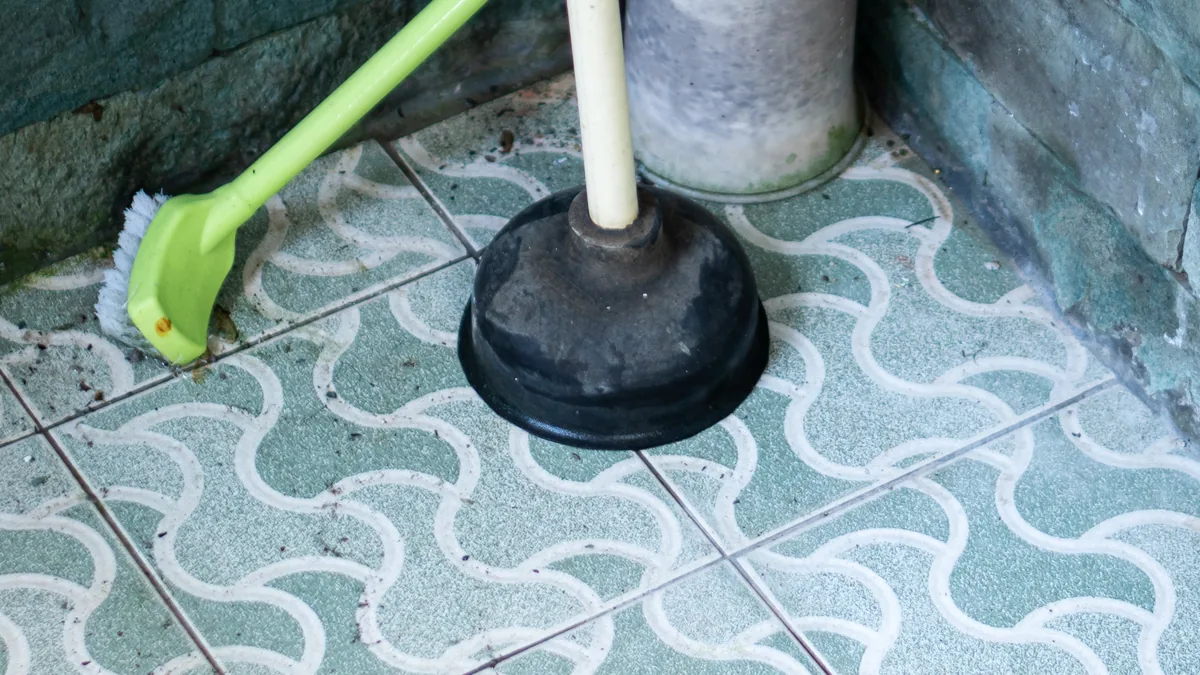
If water still sits in the base after the hair is out, a plunger can shift what is left. A flat-bottomed cup plunger seals better on a shower floor than a flanged toilet plunger.
- Leave 2 to 3 centimetres of water in the base so the plunger can seal.
- Place the cup over the waste and press down gently to push the air out.
- Plunge firmly up and down 10 to 15 times without breaking the seal.
- Lift the plunger away and watch whether the water starts to drain.
Stop if water appears in another fixture or you hear gurgling elsewhere in the house. That points to a shared drain, and more plunging will not fix it.
Test the Drain With Hot Tap Water
Run the shower on hot for a few minutes and watch whether the water clears steadily or starts to pool again. A shower that drains as fast as it used to is fixed.
Use hot tap water, never boiling water from the kettle. Holman, an Australian maker of PVC drainage fittings, gives its fittings a softening point of about 80°C and recommends no more than 60°C for continuous flow.
Gentle Options if It Is Still Slow
A hand drain snake can reach hair that sits further along the waste pipe. Our guide to using a drain snake covers the technique, and it is a better next step than reaching for a chemical.
Bicarb soda and vinegar can loosen light soap build-up, though it will not shift a solid clump of hair. If you would like to try it as a separate method, follow our bicarb soda and vinegar guide.
What Not to Do With a Blocked Shower Drain
Skip chemical drain cleaners in the shower. Healthdirect lists drain cleaners among the strong acid and alkaline products behind most chemical burns, and a cleaner sitting in a blocked base can splash onto skin once anyone works on the drain.
Never mix two products or follow one product with another. If a chemical has already gone down the drain, stop there: do not plunge, keep children and pets away, and tell the plumber exactly what you used.
Do not take apart the floor waste or try to reach the trap. In most showers the trap sits below the floor, so getting to it means opening up the drain, which is a job for a licensed plumber.
When a Slow Draining Shower Means a Bigger Problem
A slow draining shower that keeps blocking after a good clean usually has something further down the pipe. It might be a build-up deep in the waste, a damaged pipe or a partial blockage in the shared drain.
Call a licensed plumber if any of these apply:
- Water comes up in the shower when the toilet, washing machine or another fixture is used.
- More than one fixture is slow or gurgling.
- The drain is no better after removing the hair and plunging.
- The blockage comes back within a few weeks.
- Water escapes outside the shower or shows as a stain on a ceiling below.
Opening, repairing or replacing drain pipes is licensed work. The NSW Government says you need a licence or certificate for any plumbing, draining or gasfitting work, regardless of the cost.
How to Keep a Shower Drain Clear
A little routine care stops hair from building into a full blockage. Pull hair off the grate after each shower, and brush long hair before you step in so less of it reaches the drain.
A simple cover over the grate catches most of the rest, as long as you empty it often. Every month or two, lift a removable grate and clear the ring underneath.
Frequently Asked Questions
Is there a quick way to unclog shower drain hair?
The quickest safe method is to lift a removable grate and pull the hair out with gloves and a plastic hair removal tool. Most blockages near the grate clear in a few minutes this way.
Is it okay to pour boiling water down a shower drain?
No, use hot tap water instead. Boiling water can soften plastic drainage fittings, and it will not dissolve a clump of hair anyway.
Can I unblock shower drain pipes myself?
You can clear the grate and the first part of the waste with the steps in this guide. Opening, repairing or replacing drain pipes is licensed work in NSW, so anything deeper is a job for a plumber.
How do I check a plumber is licensed?
Ask for their licence number and check it with Service NSW before the work starts. Service NSW notes that plumbing and draining work needs a licence, so a valid number is a good first sign.
When to Call a Plumber for a Blocked Shower
If the shower is still slow after these steps, or water is coming up from the shared drain, Rapid Service Plumbing’s licensed plumbers can find and clear the blockage. Our blocked drain plumbers work across Sydney and can check the line with a camera before clearing it.
This guide is general information. Plumbing, drainage and gas work in NSW must be done by a licensed tradesperson.