One flush. The water rises instead of draining. And suddenly the bathroom’s off-limits.
A blocked toilet has a way of happening at exactly the wrong moment (guests arriving, kids needing the bathroom, the morning rush already underway). It’s frustrating, but it’s also one of the most common household plumbing problems in Australia. Most of the time, you can sort it yourself without calling anyone.
This guide covers what causes a blocked toilet, the most effective methods for clearing one, with and without a plunger, and how to tell when it’s time to stop DIYing and bring in a licensed plumber.
Why Is My Toilet Blocked? Common Causes
Before you start pulling things out from under the sink, it’s worth knowing what you’re dealing with. The cause usually shapes which fix will actually work.
Too Much Toilet Paper
This one’s more common than people expect. A large amount of paper pushed through in a single flush can create a plug in the toilet trap or drain pipe, especially in homes with older or low-flow toilets. Multi-ply paper is thicker and slower to break down, which doesn’t help.
Flushing Non-Flushable Items
Wet wipes are the biggest culprit. Despite being labelled “flushable” by some manufacturers, according to Sydney Water, wet wipes account for around 75% of blockages across the network. Paper towels, cotton buds, tissues, sanitary products, and dental floss are other common offenders. None of them break down the way toilet paper does, and all of them can snag in pipes and grow into a serious blockage over time.
The NSW Government is clear on this: the only things that should go down a toilet are pee, poo, and toilet paper. Everything else belongs in the bin.
Foreign Objects
In family homes with young kids, a blocked toilet can sometimes mean something went down that really shouldn’t have: a toy, a face cloth, a toothbrush. These don’t break down at all and often need professional help to retrieve safely.
Older Pipes or Low-Flow Toilets
Sometimes the problem isn’t what you flushed. It’s the state of the plumbing itself. Older pipes can develop mineral build-up from hard water, gradually narrowing the internal diameter. Tree roots are another one, particularly in established Sydney suburbs where mature trees and ageing sewer lines tend to cross paths. Low-flow toilets in older properties may also lack the flushing pressure needed to push material all the way through.
If you’re regularly dealing with slow or recurring toilet issues, it can be an early sign of something deeper going on in your plumbing system.
How to Unblock a Blocked Toilet With a Plunger
A plunger is the most effective first tool for most toilet blockages. Got one? Start here.
Choosing the Right Plunger
Not all plungers work the same on a toilet. You want a flange plunger: the kind with an extra rubber flap at the bottom of the cup. That flap fits inside the toilet drain and creates the seal you need to generate real pressure. A flat cup plunger (better suited to sinks and baths) won’t seat properly in a toilet and is far less effective. If you’re not sure which plumbing problems call for which tools, our guide to common Sydney plumbing issues is a useful reference.
Step-by-Step Plunger Technique
- Put on rubber gloves. Lay old towels around the base of the toilet to catch any splashing.
- Check the water level. If the bowl is nearly full, scoop some out first, as you don’t want it overflowing mid-plunge.
- Position the plunger. Submerge the flange into the drain opening and press down firmly to create a seal.
- Start slow. Push down gently on the first stroke to expel air, then pump up and down with steady, controlled pressure, around 10–15 strokes.
- Pull up sharply on the last stroke. You’re trying to create suction that pulls the blockage loose, not just push it further in.
- Test with a flush. Water draining normally? Done. If not, repeat two or three more times before switching to another method.
How to Unclog a Toilet Without a Plunger
No plunger? Don’t panic. There are a few solid methods using things you’ve probably already got at home. Here’s how they compare before you get started:
| Method | Best For | What You Need | Time to Work | Effectiveness |
| Hot water + dish soap | Paper blockages, minor clogs | Dish soap, bucket, hot water | 10–15 mins | ⭐⭐⭐⭐ |
| Baking soda + vinegar | Organic build-up, mild clogs | Baking soda, white vinegar, hot water | 30–60 mins | ⭐⭐⭐ |
| Plastic bottle pressure | Minor blockages, no tools available | Large plastic bottle, warm water | 5 mins | ⭐⭐ |
| Wire hanger snake | Solid object or surface-level obstruction | Wire coat hanger, cloth, tape | 10–20 mins | ⭐⭐ |
| Plunger (if available) | Most blockage types | Flange plunger | 5–10 mins | ⭐⭐⭐⭐⭐ |
Effectiveness ratings are based on reported results for typical household blockages. Stubborn or deep blockages may need professional equipment regardless of method.
The Hot Water and Dish Soap Method
This is the go-to when you don’t have a plunger. For a toilet blocked with paper, it works better than you’d expect.
- Squirt around half a cup of dish soap directly into the toilet bowl.
- Heat a bucket of water until it’s hot, but not boiling. Boiling water can crack the porcelain or damage the wax seal at the base of the toilet. Hot tap water, or water just below boiling, is the right temperature.
- Pour it into the bowl from about waist height. The drop adds a bit of force.
- Wait 10–15 minutes. The soap lubricates the pipe walls while the hot water softens whatever’s causing the clog.
- Try a flush. Repeat once more if needed.
This method is rated by home maintenance experts as one of the safer, more effective ways to clear a clog without a plunger, particularly for paper blockages.
Baking Soda and Vinegar: a Natural Toilet Unblocker
Slower, but gentle on pipes and completely non-toxic. Good option if the soap-and-water approach hasn’t fully cleared things.
- Pour one cup of baking soda directly into the toilet bowl.
- Follow slowly with two cups of white vinegar. You’ll see fizzing. That’s the reaction working to break down organic material in the blockage.
- Leave it for at least 30 minutes, ideally an hour.
- Add a bucket of hot (not boiling) water and flush.
It won’t shift a stubborn clog on its own, but it’s a solid follow-up. For more on using this combo around the home, see our guide on using baking soda and vinegar.
The Plastic Bottle Pressure Trick
If you have a large empty plastic bottle (at least 1.5 litres) it can create enough of a water surge to shift a minor blockage.
- Fill the bottle with warm water.
- Wearing rubber gloves, place the opening into the toilet drain and squeeze hard and fast.
- The sudden burst of pressure can dislodge the clog.
Messy? Yes. But genuinely useful when there’s nothing else to hand.
DIY Wire Hanger Snake (Last Resort)
If something solid is causing the blockage (a toy, a hard object), an unravelled wire coat hanger can sometimes help. Straighten it out, bend a small hook at one end, and wrap that end in a cloth secured with tape to avoid scratching the porcelain. Work it gently into the drain to break up or hook the obstruction. Don’t force it. If there’s real resistance, stop and call a plumber. Pushing harder risks making things worse.
What About Chemical Toilet Unblockers?
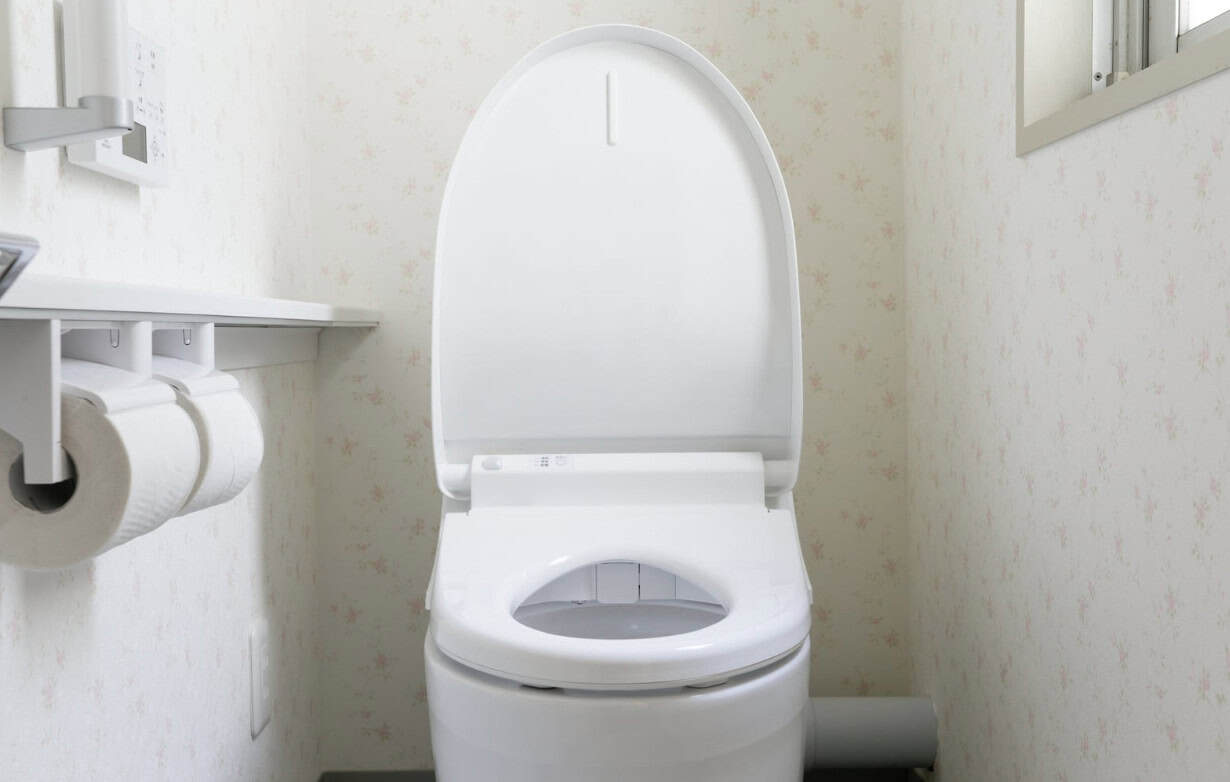
Worth addressing, because it’s usually the first thing people reach for. Our guide to unclogging a toilet without a plunger explains why we would skip them and what to try instead.
Most chemical drain cleaners are designed for sink and shower drains, not toilet pans. They’re often ineffective on toilet blockages, and they can produce harsh fumes, particularly if mixed with other substances already in the bowl. In older homes with PVC or degraded pipes, strong chemical products can also speed up corrosion over time. So while they’re not useless, they’re generally not the right tool for a blocked toilet, and they shouldn’t be the first thing you try.
If you do go down that path, ventilate the bathroom well and follow the product instructions carefully.
How to Prevent a Blocked Toilet
The easiest blocked toilet to deal with is one that never happens. A few simple habits are all it takes.
Only Flush the Right Things
Sydney Water’s Toilet Blockers Anonymous campaign keeps it simple: pee, poo, toilet paper. That’s the full list. Wipes (even the ones labelled flushable), cotton buds, tissues, sanitary products, and paper towels all belong in the bin. It sounds obvious, but it’s the single habit that prevents most blockages.
Use Less Paper Per Flush
If paper blockages are a recurring issue, try splitting into two flushes rather than sending a large amount through at once. This is especially worth doing with older toilets, and if a tired cistern is giving a weak flush, replacing the cistern may be the longer-term fix.
Don’t Ignore a Slow Drain
A toilet that drains sluggishly isn’t just annoying. It’s usually a partial blockage in progress. Clearing it early is a lot simpler than dealing with a full blockage later.
Look After Other Drains Too
Blockages don’t always start in the toilet. Hair, grease, and debris building up in nearby drains can contribute to broader pressure issues in your plumbing system. If you’re noticing slow drainage in multiple spots at once, our guide on unblocking a sink drain is a good place to start.
When Should You Call a Plumber for a Blocked Toilet?
DIY fixes clear most minor blockages. But there are situations where continuing to try yourself can make things worse, or where the problem is simply beyond what household methods can reach.
Signs It’s Time to Call
- Nothing’s working after multiple attempts. If you’ve tried plunging and at least one other method and the toilet still isn’t draining, the blockage is likely deeper in the pipe and needs professional equipment to clear.
- Other drains are backing up too. A toilet, shower, and sink all draining slowly at the same time usually points to a blockage in the main sewer line, not just the toilet trap. That’s not a DIY job.
- The toilet is overflowing or there’s sewage visible. Stop immediately and call a plumber. Raw sewage is a health hazard and the situation can worsen fast.
- You think a solid object caused the blockage. Toys, hard items, and similar objects can be pushed further into the plumbing if you try to force them through. A plumber can locate and retrieve them safely, often using a CCTV drain camera.
- It keeps blocking. If the same toilet clogs repeatedly, it’s rarely bad luck. It usually means there’s a structural issue: cracked or misaligned pipes, tree root intrusion, or significant internal build-up. Plunging won’t fix it.
Under NSW Fair Trading regulations, any plumbing work beyond basic maintenance, including clearing sewer line blockages or repairing damaged pipes, must be carried out by a licensed plumber. You can verify a plumber’s licence through Building Commission NSW before you book anyone. Our blocked drains team is available 24/7 across Sydney and Melbourne, so if the DIY route hasn’t done it, we’ll get there quickly and sort it properly.
Wrapping Up
A blocked toilet is rarely as bad as it first looks. In most cases, a plunger, some dish soap, or a bucket of hot water is all you need. The main things to get right: choose the right method for your blockage, don’t use boiling water, and know when it’s actually time to stop and call a plumber.
If you notice any dripping or running water from the cistern once the blockage clears, our guide on fixing a leaking toilet cistern is a good next step.
Key Takeaways
- Most blocked toilets come down to too much paper, non-flushables like wet wipes, or a foreign object. Rarely a plumbing fault.
- A flange plunger is the most effective first tool. Seal it properly and use steady, controlled strokes.
- Hot water and dish soap is the best no-plunger option for minor blockages; baking soda and vinegar works well as a follow-up.
- Never use boiling water . It can crack the porcelain and damage the wax seal at the toilet base.
- Call a licensed plumber if the blockage won’t shift, multiple drains are affected, or the toilet is overflowing.