

Harvesting rainwater is a practical way to conserve water and do your bit for the environment. A well-maintained system can supply water for flushing toilets, washing cars, and keeping the garden green, all while cutting down your mains water bills.
But here’s the thing. Like any system, rainwater tanks need regular attention. Without it, small problems can turn into expensive headaches. In this guide, we’ll walk through the most common issues Sydney homeowners run into with their rainwater systems and what you can do about them.
1. First Flush Device Problems
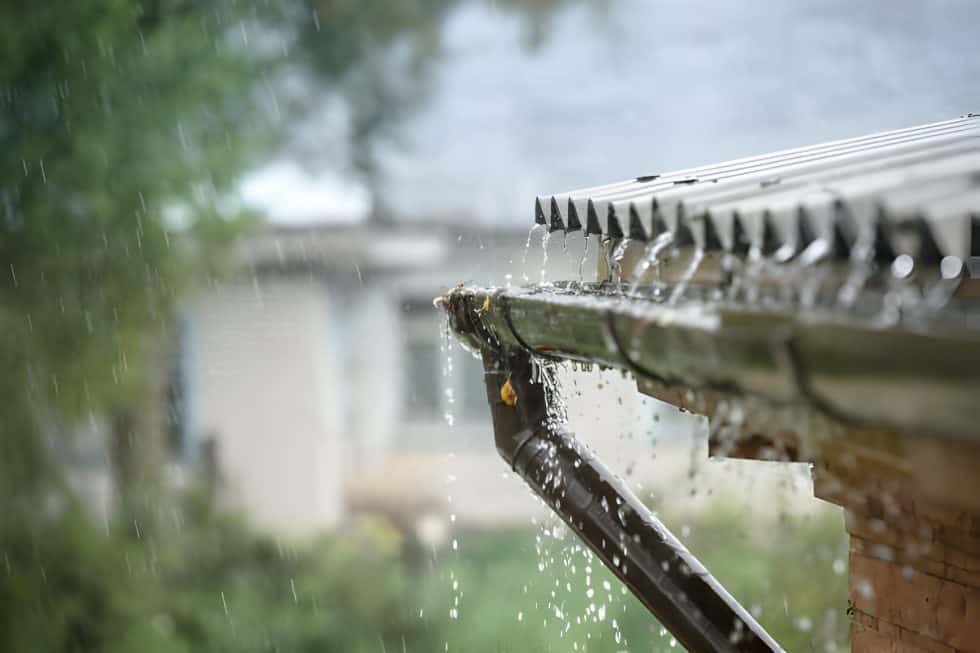
Your first flush diverter doesn’t get much attention, but it’s doing important work. It diverts the initial flow of rainwater away from your tank. That first rush of water carries the worst of what’s on your roof: dust, bird droppings, leaf debris, you name it.
When first flush devices fail, the problems usually look like this:
Blocked flow restrictor: There’s a small valve at the bottom of the first flush chamber that drains dirty water between rain events. Debris can clog it up. When that happens, contaminated water from the last storm ends up in your tank during the next one.
Undersized chamber: If your first flush device is too small for your roof area, it won’t divert enough dirty water. You should be diverting at least 20-40 litres per 100 square metres of roof.
Worn components: The ball float and seat inside can wear out over time. When they do, dirty water bypasses the whole system.
Sydney Water recommends cleaning your first flush device every three to six months. After heavy rain is a good time to check it. Just unscrew the bottom cap carefully (dirty water will rush out), rinse everything, and put it back together.
2. Foul-Smelling Water
Nobody wants to open their tank and get hit with a bad smell. Unfortunately, it’s one of the most common complaints. The cause usually comes down to one of three things.
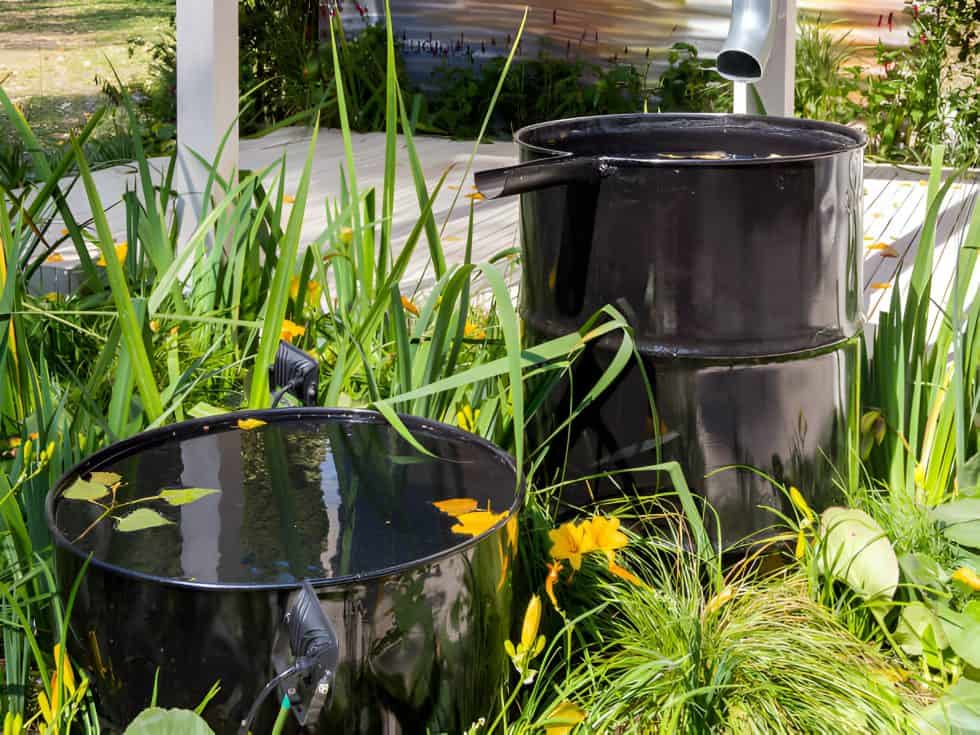
Algal growth: Algae love light and warmth. If your tank has any gaps where sunlight gets in, you’re giving them perfect conditions. The water ends up smelling musty or earthy. Make sure your tank is completely sealed with rain heads, tank screens, and inlet covers. Already got algae? A small amount of chlorine can help, but you really need to block the light to stop it coming back.
Sediment and sludge: Even with good filtration, organic matter settles at the bottom of your tank over time. This layer decomposes and can produce that rotten egg smell (hydrogen sulphide). The Australian Department of Health recommends inspecting your tank every two to three years and cleaning if you’ve got sediment buildup.
Dead animals: Mice, birds, frogs. They find their way in and sometimes don’t find their way out. A rodent guard and regular screen checks can prevent this.
If the smell won’t go away, it’s probably time to get your tank professionally cleaned and inspected.
3. Mosquito Breeding
This one matters more than you might think. Mosquitoes aren’t just annoying. They carry diseases.
Research by CSIRO found mosquitoes breeding in 21% of rainwater systems they inspected across Melbourne. The main culprit? Damaged or missing screens.
In NSW, your rainwater tank must be designed to prevent mosquito breeding. It’s a regulatory requirement for exempt development installations. So where do mosquitoes get in?
Tank inlet: The opening where water enters from your downpipes needs mesh screening no larger than 1mm.
Overflow pipe: This is the one people forget about. CSIRO found that sealing the overflow alone can reduce mosquito problems by two-thirds, even if your inlet screening isn’t perfect.
First flush chamber: If your first flush device doesn’t drain completely, standing water inside becomes a breeding site.
NSW Health advises checking all screens and openings at least every six months. Look for tears, gaps, or mesh that doesn’t fit properly. Mosquitoes can breed in surprisingly small amounts of water.

4. Pump Failures and Short-Cycling
The pump is the heart of your system. When it stops, nothing works.
Complete failure: If your pump won’t start at all, check the basics first. Is there power? Has a circuit breaker tripped? Many pumps have a reset button, so try that. If the pump hums but doesn’t run, the capacitor might have failed. That’s usually a cheap fix.
Short-cycling: This is when your pump keeps turning on and off rapidly. Plumbers sometimes call it “hunting.” A few things can cause it:
- Low water in the tank: Most pumps have dry-run protection that shuts them off when water gets too low.
- Pressure switch problems: This switch tells the pump when to activate. If it’s faulty or clogged, the pump behaves erratically.
- Leaks: Even a slow leak, like a toilet cistern that’s filling constantly, can make the pump cycle repeatedly.
- Air locks: Air trapped in the suction line stops the pump from priming properly.
If basic troubleshooting doesn’t help, get a professional plumber to take a look. Running a faulty pump can cause more damage.
5. Mains Switching Device Failures
If your tank feeds internal plumbing like toilets or the washing machine, you probably have a switching device. It automatically reverts to mains water when your tank runs dry or the pump fails. Handy when it works. Frustrating when it doesn’t.
Stuck valves: Hydraulic switches like the AcquaSaver use mains pressure to operate. The internal valve can get stuck or corroded, leaving you without water when you need it.
Electronic controller failures: Electronic switches often fail after power outages or storms. Most have a reset button, but sometimes the whole controller needs replacing.
Incorrect switching: Some homeowners notice the system using mains water even when the tank is full. Usually that means a problem with the float switch or pressure sensor.
Here’s a quick test. Turn off the pump at the power point. You should still have water flow from mains to your connected fixtures. If you don’t, the switching device is probably faulty. This is one job where calling a plumber makes sense. These systems can be tricky to diagnose.
6. Not Collecting Enough Water
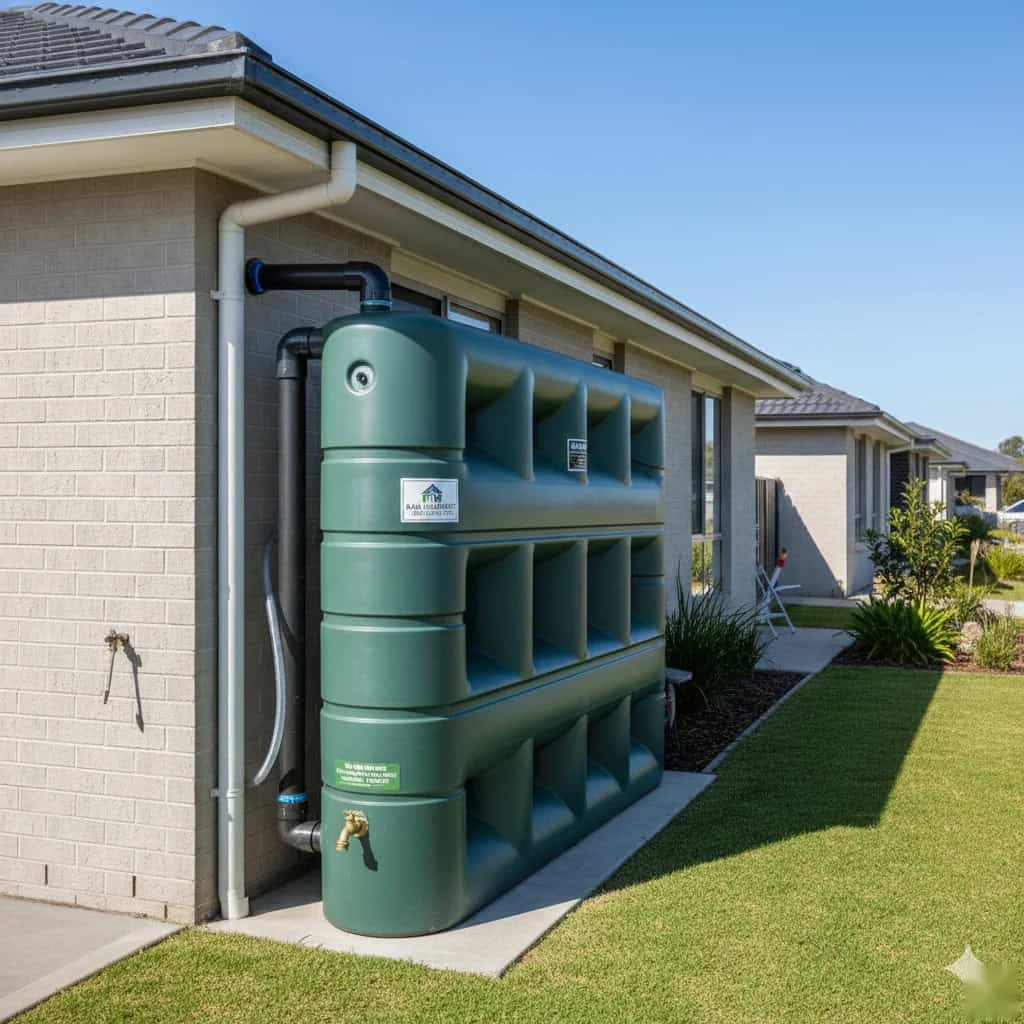
Your tank should fill during decent rain. If it’s not, something is blocking the flow.
Gutter blockages: Leaves, debris, even the odd tennis ball. It all accumulates in gutters and stops water reaching your downpipes. Regular gutter cleaning is essential. Twice a year at minimum, more if you’ve got overhanging trees.
Downpipe obstructions: Check that downpipes are clear and properly connected. A blockage partway down causes water to overflow from gutters instead of reaching your tank.
Blocked strainers and rain heads: These filtration components clog up with debris and reduce water flow into your tank.
First flush not draining: If your first flush device isn’t emptying between storms, it just keeps diverting water away from your tank.
Gutter guards can cut down on maintenance and improve collection. If you’ve tried everything and blockages persist, there might be a structural issue with your downpipes or guttering.
7. Cloudy or Discoloured Water

If your rainwater looks dirty or murky, your filtration system probably needs attention.
Dirty filters: Inlet filters and strainers clog up over time. Check and clean them regularly. Monthly during periods of heavy use. Replace any that are damaged.
Sediment disturbance: If sludge has built up on the tank bottom, heavy inflow during storms can stir it up. The water goes cloudy temporarily. A calmed inlet reduces the velocity of incoming water and helps with this.
Drawing from the bottom: If your outlet valve sits right at the base of the tank, your pump might be pulling from the sludge layer. A floating offtake valve draws water from just below the surface where it’s cleanest.
Still having problems after cleaning filters? Consider a downpipe filter that treats water before it enters the tank, or get your tank professionally desludged.
8. Blocked Gutters and Downpipes
Blocked gutters and downpipes don’t just reduce water collection. Water overflowing during storms can damage walls, foundations, and landscaping.
Watch for these signs:
- Water spilling over during rain
- Plants growing in your gutters
- Staining on walls below the gutter line
- Sagging or misaligned sections
The fix is straightforward. Clean your gutters at least twice a year. Trim back overhanging branches. Consider gutter guards to reduce debris. Check that downpipe joints are sealed and secure.
9. Overflow and Drainage Issues
Your tank’s overflow needs to connect properly to your stormwater drainage system. In NSW, it’s a regulatory requirement that overflow doesn’t discharge onto neighbouring properties or cause nuisance.
Disconnected or blocked overflow: Without proper drainage, your tank can become over-pressurised during heavy rain. That can damage seals or force water back up through inlet pipes.
Pooling water: If overflow creates puddles near your tank or home, you’re creating mosquito habitat, risking erosion, and potentially affecting your foundations.
Missing overflow screen: The overflow outlet needs mosquito mesh just like your inlet. Without it, mosquitoes have direct access to the water inside.
Not sure if your overflow connects to stormwater properly? Our guide on connecting downpipes to stormwater explains the NSW requirements. For persistent drainage issues, get a professional assessment.
10. Tank Damage and Leaks
A good rainwater tank should last many years. But problems develop, especially when maintenance gets neglected.
Cracks and splits: Poly tanks can turn brittle with UV exposure. Concrete tanks crack from ground movement or tree roots. Small cracks might be repairable. Bigger damage often means replacement.
Seal failures: Seals around inlet fittings, outlet valves, and access hatches deteriorate over time. They cause slow leaks that are easy to miss at first.
Corrosion: Steel tanks rust, particularly around fittings and at the waterline if the internal coating gets damaged.
Regular visual inspections catch problems early. Look for damp patches around the tank base, water staining on the exterior, and any visible cracks. If you spot a leak, deal with it quickly before it gets worse.
For tank issues you can’t sort yourself, get professional advice. Our team at Rapid Service Plumbing can help with tank connections, pump problems, and drainage solutions across Sydney.
Rainwater System Maintenance Schedule
Staying on top of maintenance prevents most of these issues. Here’s a quick reference:
| Component | Frequency | Action |
|---|---|---|
| First flush device | Every 3 months (or after heavy rain) | Drain and rinse chamber, check restrictor |
| Gutters and downpipes | Every 6 months | Clear debris, check for damage |
| Inlet screens and mosquito mesh | Every 6 months | Inspect for tears, clean or replace |
| Filters and strainers | Monthly during use | Clean or replace as needed |
| Pump and pressure controller | Every 6 months | Check operation, reset if needed |
| Tank interior | Every 2-3 years | Inspect for sediment, arrange cleaning if needed |
| Mains switching device | Annually | Test switching function |
For more on keeping your plumbing in good shape, see our guide on professional plumbing maintenance.
Key Takeaways
- First flush devices need cleaning every three to six months. A blocked restrictor is one of the most common causes of poor water quality.
- Mosquito prevention is both a health issue and a legal requirement in NSW. Check all screens every six months.
- Pump short-cycling usually points to low water, a pressure switch fault, or a leak somewhere in the system.
- Tank sediment should be inspected every two to three years and cleaned if it’s covering the bottom.
- Most rainwater system problems can be prevented with regular maintenance.
When to Call a Professional
A lot of rainwater system issues can be sorted with basic maintenance. But some situations need expert help. Persistent pump problems, mains switching failures, or a tank that needs professional cleaning are all good reasons to call someone in.
At Rapid Service Plumbing, we help Sydney homeowners with all aspects of rainwater system maintenance. Pump repairs, stormwater drainage solutions, the lot. If you’re dealing with common plumbing problems or need advice on your rainwater setup, we’re here to help.