Under the NSW hot water temperature regulation, water from showers, baths, basins and bidets must reach you at no more than 50°C. A lower limit applies in some buildings, and the water stored in your system is kept much hotter for health reasons:
- 50°C: the maximum delivered temperature at personal hygiene outlets in homes and most buildings.
- 45°C: the maximum delivered temperature in aged care, health care patient areas, early childhood centres, schools and disability facilities.
- 60°C: a stored water temperature, not a tap temperature, used in the Plumbing Code to control Legionella.
Below, we explain where each limit applies, how stored water is brought down to a safe temperature and when NSW rules require a device to do it. You’ll also see the signs your water is running too hot, what you can safely check and which jobs belong to a licensed plumber.
Last reviewed: 19 October 2026
NSW hot water temperature regulation: the limits
These hot water temperature regulations come from the Plumbing Code of Australia as adopted in NSW. Building Commission NSW sets them out for plumbers, and they cover showers, baths, handbasins and bidets.
| Where the fixture is | Maximum delivered temperature |
|---|---|
| Homes and most other buildings | 50°C Mixing valve, thermostatic tap, tempering valve or a 50°C limited heater |
| Residential parts of aged care buildings | 45°C Thermostatic mixing valve or thermostatic tap |
| Patient care areas in health care buildings | 45°C Thermostatic mixing valve or thermostatic tap |
| Early childhood centres and schools, in areas children use | 45°C Thermostatic mixing valve or thermostatic tap |
| Facilities for people with a disability | 45°C Thermostatic mixing valve or thermostatic tap |
Source: Building Commission NSW, temperature requirements for heated water installations (NSW B2D5 and B2D6). Figures are maximum delivered temperatures, not storage temperatures.
Both figures are ceilings for the water coming out of the tap or shower, so cooler water is always within the rules. Some older guides, including an earlier version of this one, gave a lower figure for schools and nursing homes, but the current limit there is 45°C.
Hospitals have extra rules on top of the plumbing code. NSW Health keeps a separate policy on heated water that hospitals must follow to manage Legionella and prevent scalding.
Why your system stores water hotter than 50°C
The hot water system temperature inside the tank and the temperature at your shower are two different numbers. Stored water is kept hot to stop Legionella bacteria growing, then cooled before it reaches the bathroom so it can’t scald.
The Plumbing Code says heated water must be stored and delivered in a way that avoids Legionella growth. One way the code checks a storage system is that all the water should be held at 60°C for at least 32 minutes, or hotter for less time, within the 7 days before it leaves the heater.
Hotter storage shortens that time, and the code treats 70°C or more for one second as enough. That’s why a storage heater often runs well above 50°C, and why a device between the heater and the bathroom matters so much.
If your bathroom water feels too hot, don’t turn the heater’s thermostat down to fix it. Cooler storage can let bacteria grow, and the usual cause is a missing or faulty temperature control device, which a licensed plumber needs to fix.
Why 50°C matters: how fast hot water burns
The 50°C limit exists because a few degrees make a huge difference to how quickly skin burns. Sydney Children’s Hospitals Network gives these times for a child’s skin:
- 65°C: a full-thickness burn in seconds.
- 60°C: about five seconds.
- 50°C: five minutes to cause the same depth of burn.
The same advice suggests turning the cold tap on first, then adding hot, when you run a bath or shower. Turning the hot tap off before the cold is the other half of that habit.
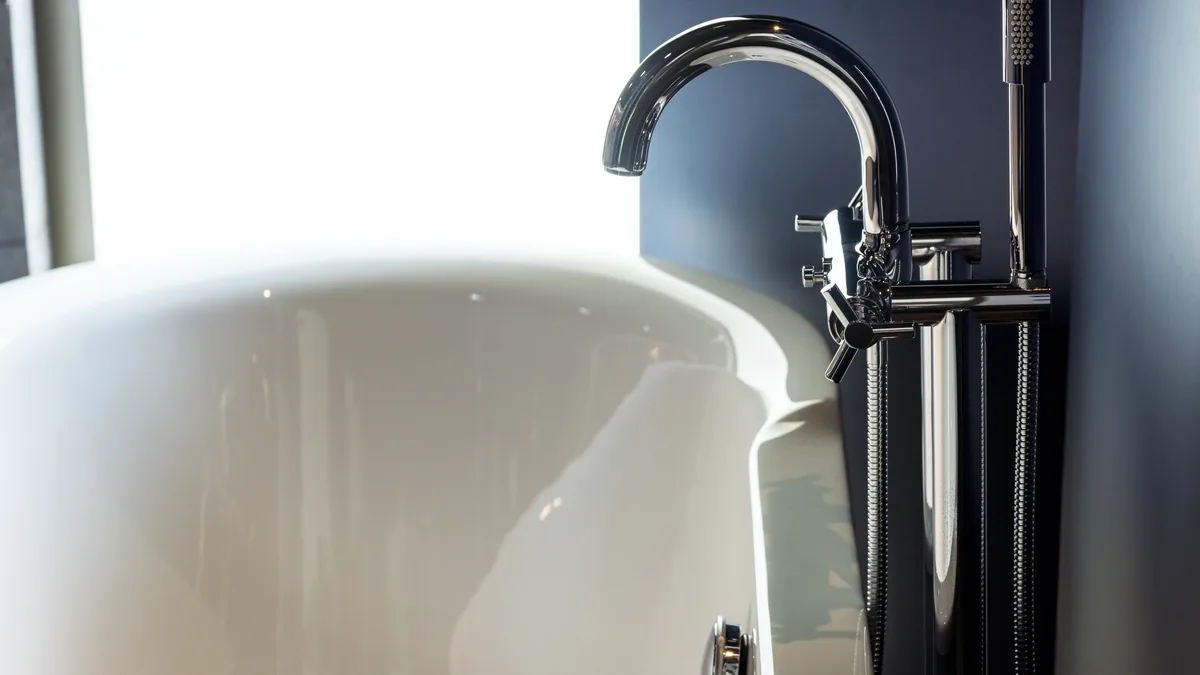
The devices that control the temperature
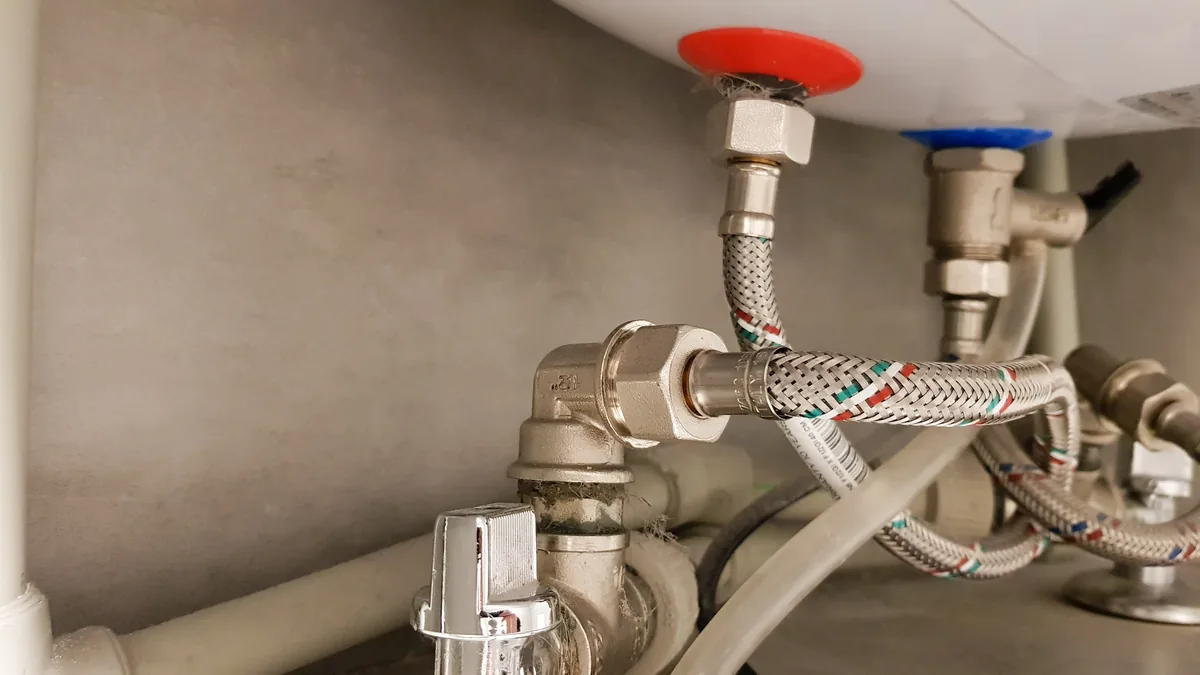
A temperature control device keeps the domestic hot water temperature at the bathroom outlet at or below the legal maximum. NSW rules accept four types for the 50°C limit:
- Thermostatic mixing valve: blends hot and cold water to a set temperature, the type used in care settings.
- Thermostatically controlled tap: a tap that limits the temperature at that one outlet.
- Tempering valve: the common choice in homes, usually fitted near the hot water unit.
- Temperature limited water heater: a heater built and marked to deliver no more than 50°C.
Where the 45°C limit applies, the NSW version of the National Construction Code accepts only the first two. Each one has to be installed and set by a licensed plumber so the delivered temperature meets the code.
When NSW rules require a temperature control device
The device rule is tied to the work being done. It applies to all new heated water services, and to any heater replacement, whatever the heater’s type or location.
The table below puts the regulator’s examples into everyday situations. If you’re not sure which row fits your job, your plumber can tell you before the work starts.
| Your situation | Device needed? |
|---|---|
| A water heater is installed for the first time | Yes |
| Your heater fails and is replaced like for like | Yes |
| You switch to a different model, size or heat source | Yes |
| The heater is moved to a new location | Yes |
| A plumber replaces an element, thermostat or valve on your heater | No Replacing an existing temperature control device is treated separately |
| One basin tap is replaced and there’s no device now | No |
| You renovate a bathroom and replace all its fixtures | Yes, for the replaced fixtures The whole system may be tempered |
| New fixtures are added without any work on the heater | Yes, for the new fixtures The whole system may be tempered |
Source: Building Commission NSW regulatory commentary, temperature requirements for heated water installations. Your plumber confirms what applies to your job.
On Sydney jobs, we often see homes with no temperature control device at all, usually where the heater has been in place for many years. When that heater is replaced, the new installation has to include one.
If you’re replacing a system anyway, our hot water system buyer’s guide compares the types, running costs and rebates. It also explains what the tempering valve requirement means when you choose a new unit.
Signs your water is too hot or the valve has failed
A temperature control device usually gives warning signs when it starts to fail. These are all things you can notice in normal use, without touching the valve or the heater:
- Bathroom hot water that suddenly runs much hotter than it used to.
- Temperature that swings between hot and cold during a shower.
- Hot taps that only ever run lukewarm, even with a working heater.
- Water, drips or green and white corrosion around a valve near the hot water unit.
- Strong flow from cold taps but weak flow from every hot tap.
Weak hot flow can come from other parts of the system too, and our guide to a drop in hot water pressure covers those causes. If a valve near the heater is leaking badly, or bathroom water turns scalding without warning, our emergency plumbers can make it safe.
What you can check, and what a plumber does
The checks that are safe for you are about noticing and looking, never adjusting. Setting the temperature is plumbing work, and the NSW Government says you need a licence or certificate before you can do any plumbing work.
| Task | Who does it |
|---|---|
| Noting when the temperature changed, such as after a new heater | You |
| Looking for a valve near the heater, without touching or turning it | You |
| Turning the cold tap on first for baths and showers | You |
| Spotting leaks or corrosion around the valve or heater | You, then call a plumber |
| Measuring and setting the delivered temperature | Licensed plumber |
| Adjusting, servicing or replacing a tempering or mixing valve | Licensed plumber |
| Changing the heater’s thermostat setting or parts | Licensed plumber A licensed electrician for electrical parts |
| Installing, replacing or moving a hot water system | Licensed plumber |
Source: NSW Government plumbing licence requirements; Building Commission NSW. Never open the heater’s covers or turn a valve yourself.
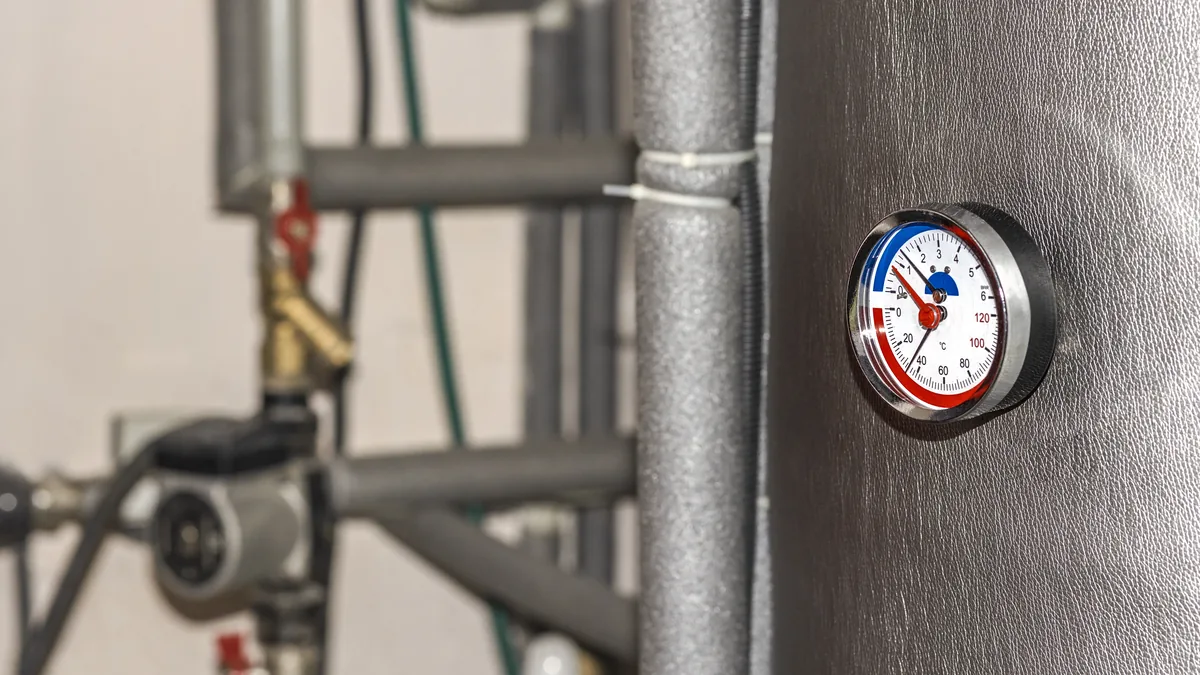
A plumber checks the delivered temperature at the outlets, then works out whether the device needs servicing or replacing. If the temperature changes are recent, a routine visit for regular hot water servicing is a good time to mention them.
For a valve that has failed or a heater that needs replacing, our hot water repairs and replacements team can fit a compliant device as part of the job. That way the stored water stays hot and the bathroom water stays within the limit.
Frequently asked questions
Is 50°C too hot for a shower?
50°C is the most a home shower is allowed to deliver, not a target. At that temperature a child’s skin can still burn in five minutes, so it’s a safety ceiling rather than a comfortable setting.
What temperature should my hot water be?
At a home’s bathroom taps, it should be 50°C or less, so a 40°C shower is well within the rules. With young children, it’s still worth running the cold tap first.
What is the legal minimum temperature for hot water?
The NSW limits at bathroom outlets are maximums, not minimums. The temperature that matters at the low end is in storage, where the Plumbing Code of Australia uses 60°C for at least 32 minutes within 7 days as its Legionella test.
What temperature should a hot water heater be set at in Australia?
A storage heater should keep its water hot enough to meet that Legionella test, and the setting is for a licensed plumber to choose. The water at your bathroom taps should then come through a device that keeps it at 50°C or less.
Is 70°C too hot for a hot water cylinder?
For stored water, 70°C isn’t unusual, and the Plumbing Code treats 70°C or more for one second as enough for Legionella control. It’s far too hot for a tap or shower, which is why a temperature control device sits between the heater and the bathroom.
Do the rules apply to existing homes?
The device rule applies to new heated water services and whenever a hot water heater is replaced. Smaller jobs, such as replacing an element, a thermostat or a single basin tap, don’t trigger it on their own.
When to call a licensed plumber
Call a plumber if your bathroom water runs hotter than it used to, swings mid-shower, or you’re about to replace your heater and want to know what the hot water temperature NSW rules mean for the job. Our hot water service can check the delivered temperature and the device that controls it.
This guide is general information. Plumbing, drainage and gas work in NSW must be done by a licensed tradesperson.