

Ask a plumber what the most common call-out is for, and most will answer almost instantly: a run-of-the-mill sink blockage. And when you stop to think about it, it’s really no surprise. You use that kitchen sink every day, rinsing plates, scraping pots and pushing the odd vegetable peel down the drain without a second thought.
- Sink slow to drain?
- Hearing gurgling noises?
- Smelling foul drain smells?
Oh no, your sink is blocked, or it’s well on the way to getting there. Luckily, the local Sydney plumbing market is so competitive that professional help is only ever around the corner. They’ll use all of their most proven techniques, years of on-the-job experience, state-of-the-art diagnostic equipment like CCTV drain cameras and powerful blockage-blasting tools like ultra-high pressure water jetters to get your drains flowing again soon.
But are there a range of pretty effective do-it-yourself methods for unblocking a kitchen sink that you can try before paid help arrives? Yep. If you notice your sink is blocked, this guide walks you through the most common causes, a few tried-and-tested fixes, and how to keep it from happening again.
Why Kitchen Sinks Get Blocked
Kitchen sinks tend to clog for different reasons than bathroom basins. Instead of hair and soap scum, the usual culprits are things that go straight down the drain during cooking and cleanup. Understanding what you’re dealing with helps you pick the right fix rather than reaching for the plunger every time.
A trip to our kitchen plumbing page has more on how these fixtures are set up and what tends to go wrong with them over time.
| Common Cause | What You’ll Notice | Best First Fix |
| Grease and cooking fat | Slow drainage, greasy film around the plughole | Hot water and dish soap |
| Food scraps and coffee grounds | Sudden blockage after washing up | Plunger |
| Starchy foods (rice, pasta) | Gradual slow-down over several washes | Baking soda and vinegar |
| Soap residue and detergent buildup | Mild gurgling, faint odour | Hot water flush |
Left alone, any of these can thicken into a stubborn clog. The good news is most kitchen sink blockages respond well to a few simple, non-toxic home remedies before you’d ever need to call a blocked drain plumber.
Try These DIY Fixes First
1. Start with the plughole
Screw it out or otherwise remove the plughole and check for gunk, grime, scum and sink debris. It’s a simple step, but it’s often where the blockage is sitting.
2. Move on to the plunger
If the plughole is covered with water, that’s great, because the airtight seal for your trusty home plunger will be ideal for what comes next. Use a rag or cloth to block the overflow and create a complete seal with the working end of the plunger.
Now it’s just a matter of plunging the blocked sink with an up and down motion as vigorously as you can handle. Bunnings’ guide to unblocking a sink recommends keeping the suction cup below the water line so you’re pushing water, not air, through the pipe.
3. Try baking soda and vinegar
How did you go with the plunger? If you got no joy, don’t despair, because this next fix may well do the trick.
Head into the pantry and pull out your baking soda and white vinegar. Don’t worry too much about the quantities, just pour some baking soda down the drain first and wash it down with a cup or so of vinegar. Let it fizz for a few minutes, up to half an hour, then follow up with a full kettle of almost-boiling water.
We’ve written a full walkthrough on using baking soda and vinegar for drain cleaning if you want the finer details on ratios and timing.
Clearing Grease With Hot Water and Dish Soap
If your kitchen sink is slow rather than fully blocked, grease is often the reason. A build-up of cooking fat coats the inside of the pipe and gradually narrows it. Before reaching for the plunger, try this gentler approach:
- Remove any standing water from the sink.
- Add a few drops of grease-cutting dish soap into the drain.
- Pour hot water down the drain in two or three stages, pausing between pours to let it work.
- Run the cold tap briefly to test the drainage.
This method won’t shift a solid blockage, but it’s a genuinely useful first step for the slow, greasy drains that are so common in Sydney kitchens, especially over the cooler months when fat solidifies faster.
Kitchen Sink Clogged and Tried Everything? Check the U-bend
If you’ve tried the plunger, the baking soda and vinegar, and the hot water flush and your kitchen sink is still clogged, it’s time to look at the U-bend. That distinctive bend under the sink is particularly susceptible to a build-up of gunk, since it’s designed to trap debris (and unfortunately, smells) rather than let everything wash straight through.
It can be a little tricky to do, so make sure you use a bucket or another container beneath the component before unscrewing it. Once it’s off, it’s easy to look inside and pull or push out anything that’s gunked it all up.
If the U-bend is clear and your kitchen sink clogged problem still won’t budge, the blockage is likely further down the line than a DIY fix can reach. That’s usually the point where a blocked drain plumber with the right equipment becomes the safer, faster option.
How to Stop Your Kitchen Sink Blocking Again
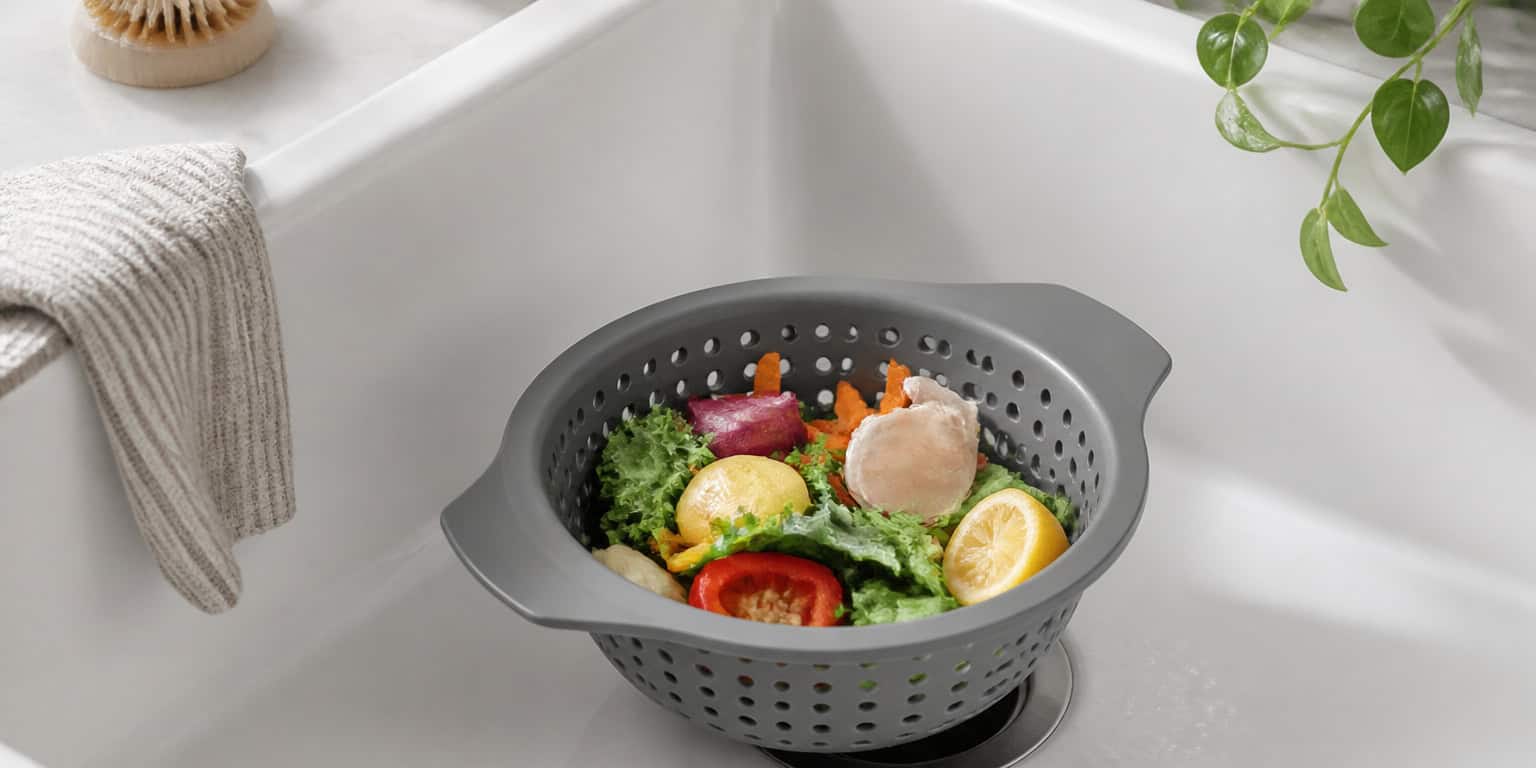
Prevention is a lot less hassle than another round with the plunger. A few small habits can make a real difference:
- Let cooking oil and fat cool in a container before binning it, rather than pouring it down the sink.
- Use a sink strainer to catch food scraps and empty it after every wash-up.
- Scrape plates into the bin before rinsing them.
- Flush the sink with hot water for 20 to 30 seconds after washing up to keep grease moving.
RACV’s guide to unclogging sinks makes a similar point: a sink strainer is one of the simplest ways to stop debris reaching your pipes in the first place. For more on keeping the rest of your kitchen plumbing in good shape, our guide to maintaining your kitchen plumbing covers habits worth building into your routine.
Frequently Asked Questions
How do I unclog a sink fast?
For a quick fix, hot water and a plunger will clear most minor kitchen sink blockages in a few minutes. If that doesn’t work, baking soda and vinegar followed by boiling water is the next step to try.
Are blocked sinks common in Sydney homes?
Yes. Grease, food scraps and hard water minerals are all common causes of blocked sinks in Sydney, and the cooler months can make grease-related blockages worse as fat solidifies more quickly in the pipes.
Should I use chemical drain cleaner on a blocked kitchen sink?
It’s best avoided where possible. Chemical drain cleaners can be harsh on older pipes and aren’t particularly pipe-friendly compared to natural options like baking soda and vinegar. If a blockage persists, a plumber can usually clear it without resorting to chemicals.
When should I call a plumber instead of trying DIY fixes?
If you’ve tried plunging, baking soda and vinegar, and checked the U-bend without success, or if the blockage keeps coming back, it’s a sign the issue may be further down the pipe than a home fix can reach.
Key Takeaways
- Grease, food scraps and starchy foods are the most common causes of a blocked kitchen sink.
- Start with the plughole, then move to a plunger, then baking soda and vinegar if needed.
- A build-up of grease often responds well to hot water and dish soap before you reach for anything stronger.
- Prevention (sink strainers, cooling fat before binning it, a weekly hot water flush) goes a long way.
- If your kitchen sink clogged problem doesn’t clear after trying everything, it’s time to call a professional.
How did you go? Did you discover the perfect DIY fix, or has it turned into a job that needs a plumber? If it’s the latter, don’t stress, because the friendly and highly experienced team at Rapid Service Plumbing is standing by 24 hours a day, 7 days a week. Our vans are fully stocked with all the best diagnostic and specialist drain inspection, cleaning and clearing equipment, and every job is competitively priced with workmanship guaranteed for life. Whether it’s the kitchen, bathroom or elsewhere, blocked sinks are our specialty, so get in touch with the friendly team at Rapid Service Plumbing today.