A backflow prevention device is one of those pieces of plumbing most homeowners never think about. Until something goes wrong.
And when it does go wrong, the consequences aren’t minor. Water can reverse direction and flow back into the mains supply, carrying with it whatever it picked up along the way. Chemicals, bacteria, irrigation water laced with fertiliser, even sewage. All of it silently contaminating the drinking water coming into your home or business.
For a lot of Sydney property owners, having the right device installed and tested isn’t just sensible plumbing practice. It’s the law.
In this guide, we’ll cover:
- What these devices are and how backflow happens
- The different types available and which hazard level each suits
- Who needs one in NSW, and what the testing obligations are
What Is a Backflow Prevention Device?
Think of it as a one-way gate for your water supply. A backflow prevention device is a plumbing component that lets water flow in from the mains while physically stopping anything from travelling back the other way.
These devices are fitted at critical points in a plumbing system, most commonly at the property boundary near the water meter, or at individual fixtures where contamination risk is higher.
How Does Backflow Happen?
Under normal conditions, the water main runs at a higher pressure than the plumbing system it supplies. That pressure difference keeps water moving in one direction, into your property.
But when mains pressure drops suddenly, say, during a burst pipe nearby or a period of heavy network demand, that balance shifts. Water can get drawn backward from your pipes into the public supply. It happens fast, and there’s usually no warning.
There are two main causes worth knowing:
- Backsiphonage happens when a drop in mains pressure creates a siphoning effect, pulling water back from your property into the water main.
- Backpressure happens when pressure inside your private system climbs above incoming mains pressure, often from on-site pumps or boilers pushing water back through the meter.
Both carry genuine contamination risk, which is why it pays to understand common Sydney plumbing problems before they catch you off guard.
Types of Protection Devices Explained
Not every property needs the same level of protection. The right device depends on your property’s hazard rating, a classification assigned by an accredited backflow plumber based on the risk your site poses to the public water supply. Hazard ratings are defined under AS/NZS 3500.1, the national plumbing standard adopted across NSW.
Device Types at a Glance
| Device Type | Hazard Level | Testable? | Annual Testing Required? | Typical Use |
|---|---|---|---|---|
| Dual Check Valve | Low | No | No | Standard residential homes |
| Double Check Valve Assembly (DCVA) | Medium | Yes | Yes | Hospitals, irrigation systems, multi-storey buildings |
| Reduced Pressure Zone Device (RPZ) | High | Yes | Yes | Chemical plants, fire systems with additives, labs |
| Air Gap / Break Tank | High | Yes (registered) | Yes | High-risk industrial or medical sites |
Dual Check Valve (Low Hazard)
Dual check valves offer basic protection for low-hazard properties. Sydney Water’s standard 20mm and 25mm meters usually include an integrated dual check valve, so most straightforward residential setups are already covered. These are non-testable, meaning no annual certification is needed.
Double Check Valve Assembly (Medium Hazard)
A double check valve assembly (DCVA) houses two independent spring-loaded check valves in a single body. If one fails, the other keeps working. It’s the go-to option for medium-hazard properties like hospitals, multi-storey buildings, food processing facilities, and homes with irrigation connected to mains water. A DCVA is testable and needs annual certification.
Reduced Pressure Zone Device (High Hazard)
The reduced pressure zone (RPZ) device sits at the top of the protection hierarchy. It uses two check valves with a monitored pressure chamber between them, plus a relief valve that automatically discharges if either check valve starts to fail. That built-in redundancy is what makes it the required choice for high-hazard sites. Annual testing is mandatory.
Air Gaps and Break Tanks
For very high-risk situations, a physical air gap or registered break tank may be used instead of a valve-based device. An air gap is simply an open physical space between the water outlet and the vessel below. A gap contaminants can’t cross. Both options are approved under Australian Standard AS/NZS 3500.1:2018 for high-hazard applications.
What Is a High Hazard Backflow Prevention Device?
Under AS/NZS 3500.1, every property connected to a public water supply gets assigned one of three hazard ratings:
- Low hazard: backflow would be a nuisance but poses no health risk
- Medium hazard: backflow could endanger health
- High hazard: backflow could potentially cause death
High hazard properties typically include chemical processing plants, sites with fire suppression systems using chemical additives, sewerage pumping stations, agricultural properties using chemical injection in irrigation, and some medical facilities.
So what does that mean in practice? For these sites, a standard check valve won’t cut it. An RPZ device is required because if the check valves fail, the relief valve discharges visibly, giving a clear signal the unit needs attention. No other device type works that way.
Installation Requirements in NSW
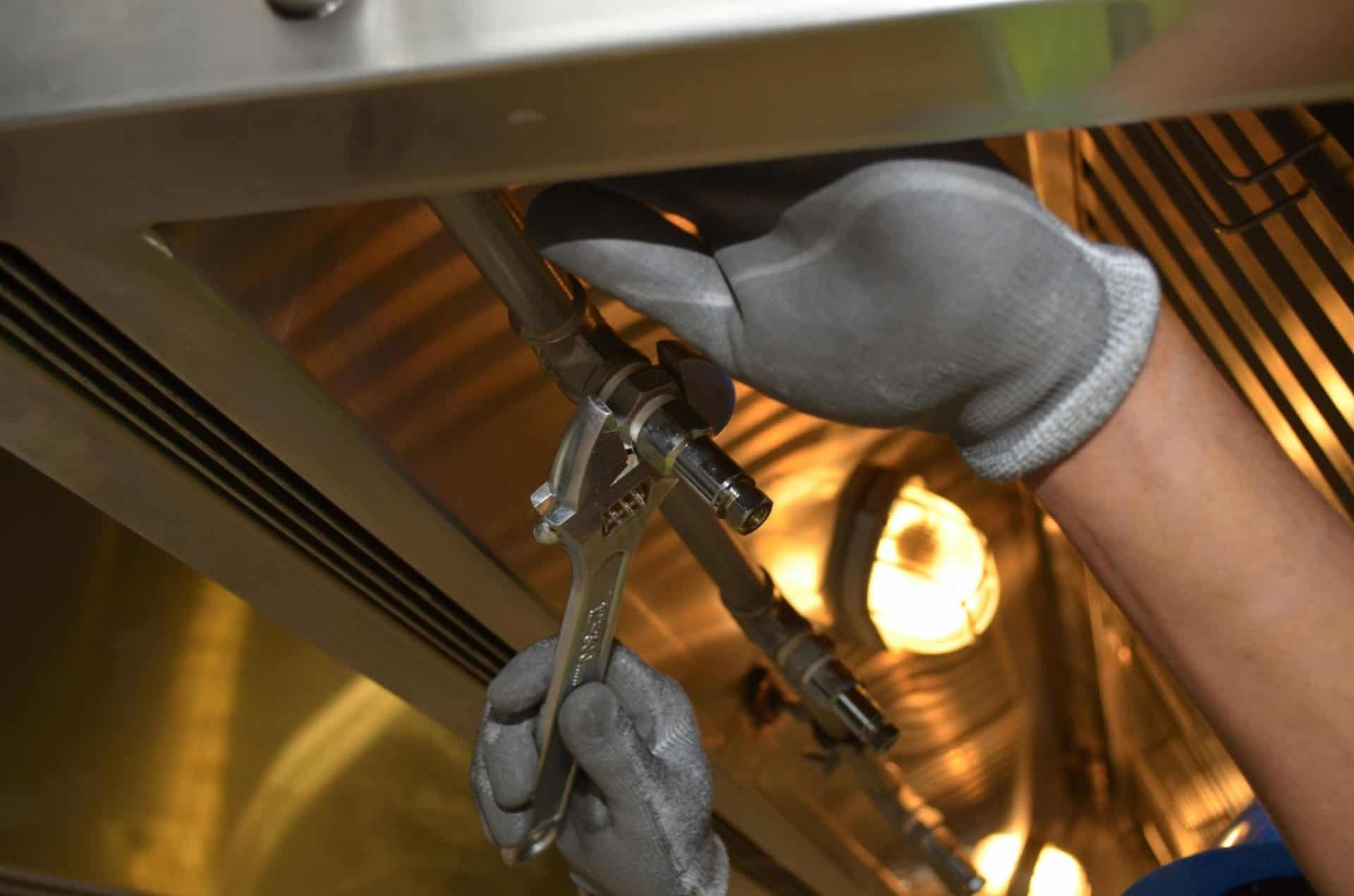
Installation must be carried out by a licensed plumber. For medium and high hazard devices, commissioning and certification also need to be handled by a plumber with a specific backflow prevention accreditation, recognised by Sydney Water.
It’s worth taking time to choose the right plumber before you get started, particularly for jobs with compliance requirements attached. In NSW, Building Commission NSW is the government body that licenses and regulates plumbers, including those with backflow accreditation.
The device should be installed:
- As close as practicable to the mains connection point
- Downstream of the water meter
- Before any branch connections on the line
- In an accessible spot, not buried or hidden behind walls
Once the work is done, your plumber must lodge a commissioning test report with Sydney Water within two working days. You’ll get a Certificate of Compliance to keep on file.
Backflow Prevention Device Testing: What Are Your Obligations?
Getting the right device installed is only half the job. Under NSW law, testable devices need to be inspected and certified at regular intervals to confirm they’re still working as they should. It’s one of the more practical reasons to schedule professional plumbing maintenance on a regular basis, especially if you’re managing a commercial property.
How Often Does a Backflow Device Need to Be Tested?
For medium and high hazard devices in NSW, annual testing is required by law. It must be carried out by a licensed, accredited backflow plumber, with results submitted to Sydney Water or your local water authority. Full details are available directly from Sydney Water’s backflow requirements.
Sydney Water does send reminder notices as your due date gets close. That said, the compliance obligation sits with the property owner regardless of whether a reminder shows up.
What Happens During a Backflow Test?
Your accredited plumber will:
- Use a calibrated differential pressure kit to check each component
- Verify check valves are seating correctly
- Confirm relief valves on RPZ devices activate at the right threshold
- Check for leaks at all connection points
- Lodge the test report with Sydney Water
- Hand you a Certificate of Compliance
The whole process typically takes 15 to 30 minutes per device, depending on the type and how easy it is to access.
What If You Don’t Test?
Skipping the annual test isn’t worth the risk. Sydney Water and local councils run audits throughout the year, and properties found to be non-compliant can face:
- Council fines (amount varies by local government area)
- Water supply restriction or disconnection until the device passes inspection
- Cost recovery if the authority steps in and arranges testing on your behalf
An annual test is a straightforward booking. The penalty for ignoring it is not.
Do I Need One at My Sydney Property?
Residential
Most standard Sydney homes are already covered by the integrated device built into their 20mm or 25mm meter. No extra device needed for low-hazard connections.
That changes if your property has:
- A rainwater tank connected to the mains
- An irrigation or garden watering system on mains water
- A greywater system or secondary water source
- A smart toilet or bidet with a submersible inlet
Not sure where you stand? An accredited backflow plumber can assess your setup quickly. And if you want to get ahead of potential issues, how to prevent plumbing issues early is always a smart read.
Commercial and Industrial
Most commercial properties in Sydney need a testable device installed and tested every year. That covers cafes, restaurants, factories, warehouses, laundries, cool room facilities, and sites with cooling towers or chemical storage.
The specific device will depend on your hazard rating. Medium-hazard sites typically need a DCVA. High-hazard sites need an RPZ or equivalent.
Strata and Multi-Storey Buildings
These properties tend to carry more complex backflow risks, particularly where pumped systems are involved. Testable containment devices are generally required at the service connection, and zone protection may be needed at individual fixtures too. A full site assessment from an accredited plumber is the right place to start.
Why you should call Rapid Service Plumbing
Backflow prevention sits in that category of plumbing things most people only think about when there’s already a problem. Getting familiar with the basics now, what type of device your property needs and when it should be tested, puts you in a much stronger position.
If you’re in Sydney and need a licensed plumber for installation or testing, the team at Rapid Service Plumbing can take care of it. We handle everything from hazard assessments through to compliance reporting. And if something urgent comes up with your water supply, our emergency plumber Sydney team is on call around the clock.
Get in touch today for upfront pricing and same-day service across Sydney.
Key Takeaways
- A backflow prevention device stops contaminated water from flowing backward into the public mains supply
- Backflow is caused by backsiphonage (mains pressure drop) or backpressure (higher pressure in your private system)
- The main device types are dual check valves (low hazard), DCVAs (medium hazard), and RPZ devices (high hazard)
- In NSW, medium and high hazard devices must be tested annually by an accredited backflow plumber
- Most homes are covered by their meter’s built-in device, but properties with irrigation, rainwater tanks, or secondary water sources may need a separate testable unit
- Commercial properties almost always need a testable device. Non-compliance can mean fines or disconnection
- Always use a licensed, backflow-accredited plumber for installation, testing, and compliance reporting