

Finding your water meter spinning when every tap is off can be incredibly frustrating. If this is happening to you, you’ve already taken the right first step: checking the meter to confirm there’s unexplained water usage. Let’s break down what’s going on, and walk through simple steps to help you get to the bottom of it.
What a Spinning Water Meter Means
Your water meter measures all water entering your property. If the dial keeps moving even when everything’s supposedly off, water’s leaving your system somewhere – probably through a leak. This is a bigger issue than it might seem:
- Close to 15% of Aussie homes have an active leak every day.
- Over 218 litres of water can disappear from a single leaky home each day, which adds up to hundreds of dollars on annual water bills.
Leaks don’t just waste water – they can damage property, encourage mould and result in higher bills. But most home leaks are hidden and silent. Where should you look first?
The “Big Three” Checks
Before you call in the pros, check the three most common household culprits. Most leaks are found at:
1. Toilets
Toilets are notorious for silent leaks. A small trickle from the cistern to the bowl might not make a sound, but it sends a steady stream of water down the drain. Here’s a quick test:
Cistern Dye Test:
- Remove the toilet cistern lid.
- Add a few drops of food colouring or a dye tablet.
- Wait 10-15 minutes without flushing.
- Check the toilet bowl. If coloured water appears, the cistern is leaking.
| Step | What to Do | What it Means |
| Add dye to cistern | Don’t flush, wait 10–15 mins | |
| Colour appears in bowl | Leak is present! Time to repair cistern seals | |
| Bowl stays clear | No leak from cistern |
Even a minor toilet leak can waste over 9 litres per hour. If the test is positive, fix or replace faulty cistern seals or valves.
2. Hot Water System
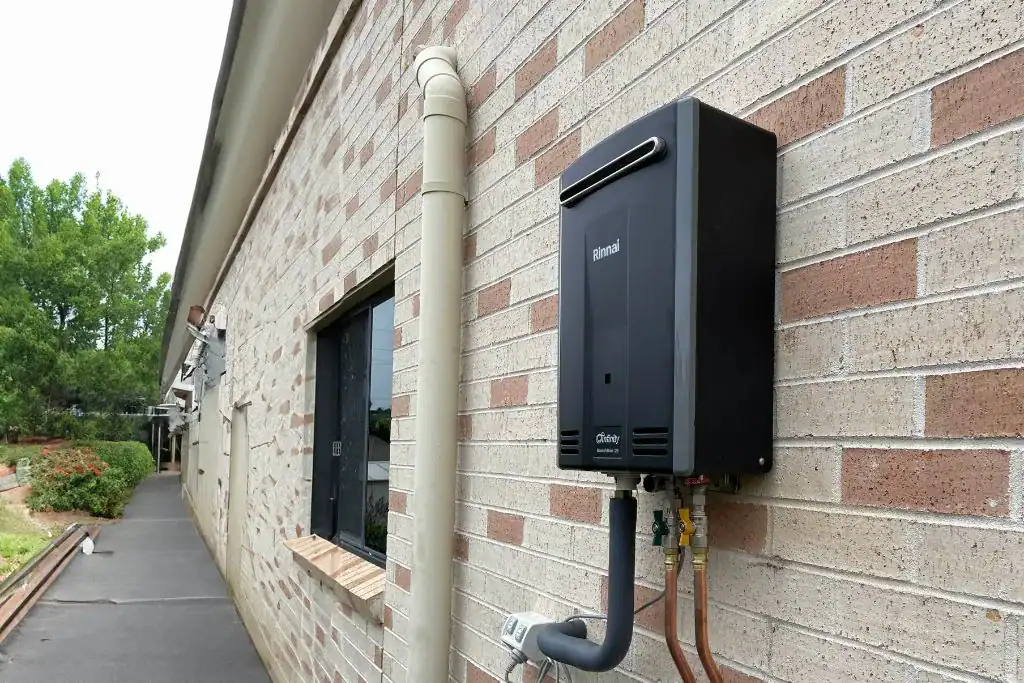
A common and often-overlooked spot is the temperature & pressure relief (TPR) valve. This safety valve, usually found on your hot water heater, occasionally releases water – but if it’s constantly discharging to a drain, you’ve got a problem.
Clues to check for:
- Damp area or moss near the TPR valve’s drainpipe
- Audible hissing or trickling
- The drain feels warm to touch
If you notice any of these signs, it could be the TPR valve that’s steadily bleeding water away. Repairs or replacements should be done by a hot water system plumber.
3. Ancillary Systems
Appliances like water softeners, whole-house filters or even evaporative cooling units can get stuck in a regeneration or backwash cycle, pushing water straight into the drain without you realising it.
To investigate:
- Inspect the area around each unit for wetness or drips
- Check if the unit is running or making noise long after it should have stopped
- Look for a small outlet pipe going into a nearby drain, and see if there’s flow when the unit shouldn’t be operating
A malfunction here can be surprisingly wasteful. If unsure, check the manufacturer’s manual for instructions on checking operation cycles.
The Critical Isolation Test
If you’ve checked the “big three” and still haven’t found the source, it’s time for the critical next step. The isolation test helps you work out whether the leak is inside your home’s pipework or in the underground service line between the meter and your house.
How to Do the Isolation Test
- Find your main shut-off valve. This is usually located where the supply line enters your home (often on a wall, near the garden, or in a pit near the driveway).
- Turn the valve OFF.
- Check the water meter.
- If the meter stops: The leak is inside your home (e.g., in the bathroom, kitchen, or laundry).
- If the meter keeps spinning: The leak is likely in the buried pipe between the meter and the house.
| Isolation Test Result | What It Tells You |
| Meter stops spinning | Leak is somewhere inside the house |
| Meter keeps spinning | Leak in the pipe between meter and house |
If the leak is on the pipe outside the home, it could be completely underground – invisible from above, but still losing water at all times.
What If You Still Can’t Find the Leak?
When all the above checks fail to reveal the problem, the leak is probably hidden – inside a wall, under a slab or deep underground. At this stage, it’s time to contact a professional plumber. Most plumbers have access to leak detection equipment such as:
- Acoustic listening devices: These can pinpoint even tiny leaks by listening for escaping water.
- Thermal cameras and ground microphones: Great for slab or wall leaks.
- Tracer gas detectors: These allow for non-invasive pinpointing of underground or hidden leaks.
Specialised leak detection is worth the call when a hidden leak is causing real damage or running up your water bill.
Key Takeaways
- A spinning water meter almost always signals a leak somewhere on your property.
- Toilets, hot water system valves and ancillary appliances are the most frequent trouble spots – check these first.
- Use the isolation test to narrow down whether the leak is internal or in the underground pipe.
- If you can’t find it, it’s likely hidden and professional help is your best bet, especially to avoid long-term damage or excessive water bills.
- Quick action on leaks saves water, money and stress. Don’t put it off – every hour counts.
For any uncertainty, engaging a licensed plumber means you’re protecting your home and doing your bit to fight Australia’s significant water loss problem.