Snaking a drain is one of the best ways to clear a stubborn blockage without pouring harsh chemicals down your pipes. Unlike chemical cleaners, drain snakes are safer for your plumbing and the environment, providing a mechanical solution that avoids potential damage and pollution. With the right tool and a bit of patience, many minor clogs across Australian homes can be sorted in under an hour.
What is snaking a drain?
Snaking a drain means feeding a long, flexible metal cable (a “drain snake” or “plumber’s auger” or “plumber’s snake”) into a pipe to break up or pull out a clog. To use this tool, you insert the snake into the drain opening to reach the blockage. When the plumber’s snake encounters resistance, it usually means a clog break is needed to restore proper flow. The tip either hooks onto debris or chews through it, so water can flow freely again.
Drainage Plumbers across Australia report that a huge chunk of their day is spent dealing with blocked drains, with one industry survey suggesting around three-quarters of working hours go on blockages and related issues. Common culprits include hair, grease, wipes, food scraps, and tree roots getting into outdoor pipes. Snaking targets these physical obstructions directly, rather than masking the problem.
Snakes in drains
Australia has a reputation for wildlife turning up in odd places, and there are occasional news stories about snakes appearing in toilets or floor wastes. These incidents tend to happen more in hotter regions and during dry spells, when reptiles search for water and cool spaces.
The key point is that this is rare compared with the number of blocked drain call-outs each year. Most plumbers will clear thousands of drains without ever seeing a snake in a bowl or shower waste. If you do spot one, step away, close the door if you can, keep pets and kids out, and call a licensed snake catcher or local wildlife service rather than trying to handle it yourself.
Common causes of clogs
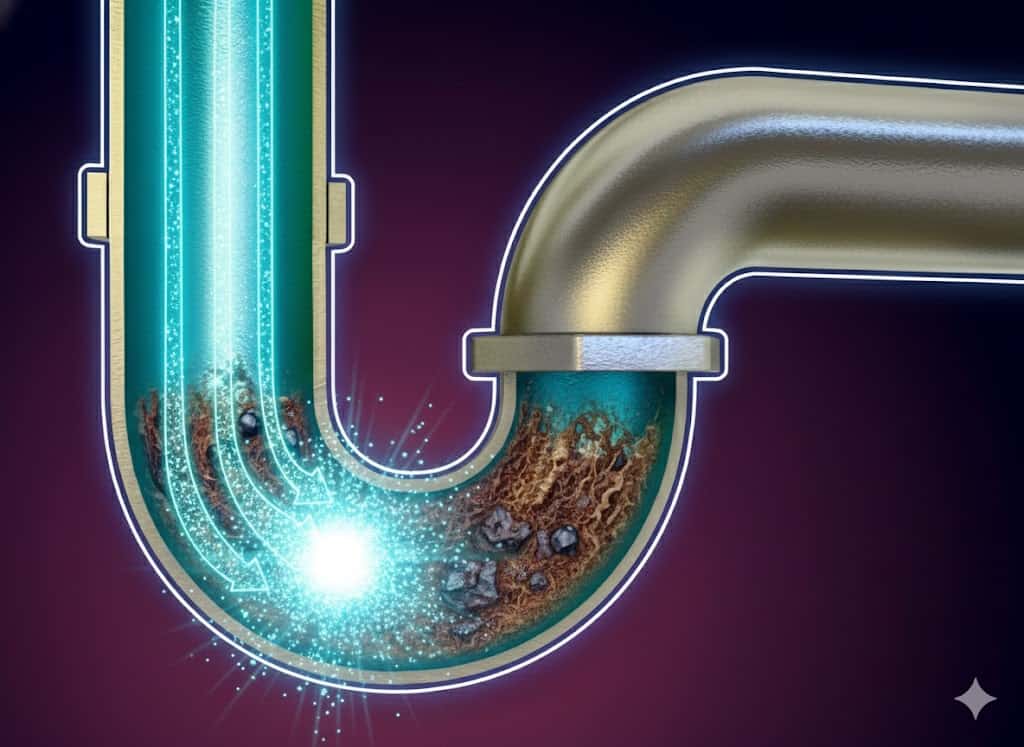
Clogged drains are a common household problem caused by everyday items like grease, hair, soap scum, toilet paper, and tree roots. In kitchens, grease solidifies and traps food scraps, while bathroom sinks and showers often clog with hair and soap scum. Toilets can block from too much toilet paper or flushing inappropriate items. Outdoor pipes may be blocked by tree roots infiltrating cracks. Prevent clogs by avoiding pouring grease or food scraps down drains, using sink strainers, running hot water after use, and occasionally cleaning drains with baking soda and vinegar. For minor blockages, a drain snake or electric snake can be a handy DIY tool. However, persistent or severe clogs, especially those caused by roots or solid objects, require blocked drain plumbers to resolve effectively.
How to use a drain auger
This is a step-by-step guide to using a drain auger.
A drain auger is a hand-powered or electric cable on a drum that you feed into the pipe through a sink, shower, bath or dedicated cleanout. Hand units are good for most simple indoor blockages; powered augers are better left to experienced users or pros.
Basic steps for a manual auger:
- Get ready
- Rubber gloves and old clothes.
- A bucket or tray for gunk.
- Old towels around the work area.
- Access the drain
- Remove the plug, grate or trap as needed so you can get the cable into the line.
- Feed the cable
- Gently push the snake cable into the pipe, applying steady pressure to avoid damaging the pipe. Insert the tip and feed the cable in slowly, using the handle to keep it moving.* When you feel resistance, you’ve probably hit the blockage, a bend or a junction.
- Break up the clog
- When the auger head or snake hits resistance, it likely means you’ve reached the blockage. Turn the handle to rotate the tip against the clog.
- Ease the cable forward and back a little until you feel it push through or grab debris.
- Pull back and flush
- Slowly pull the auger end out of the drain to remove debris, then wind the cable back out and clean off any debris into the bucket.
- Run hot water for a minute or two to flush out loosened waste.
If the auger kinks, jams or feels stuck solid, stop rather than forcing it, as aggressive cranking can crack older or brittle pipes.
How to use a plumbing snake
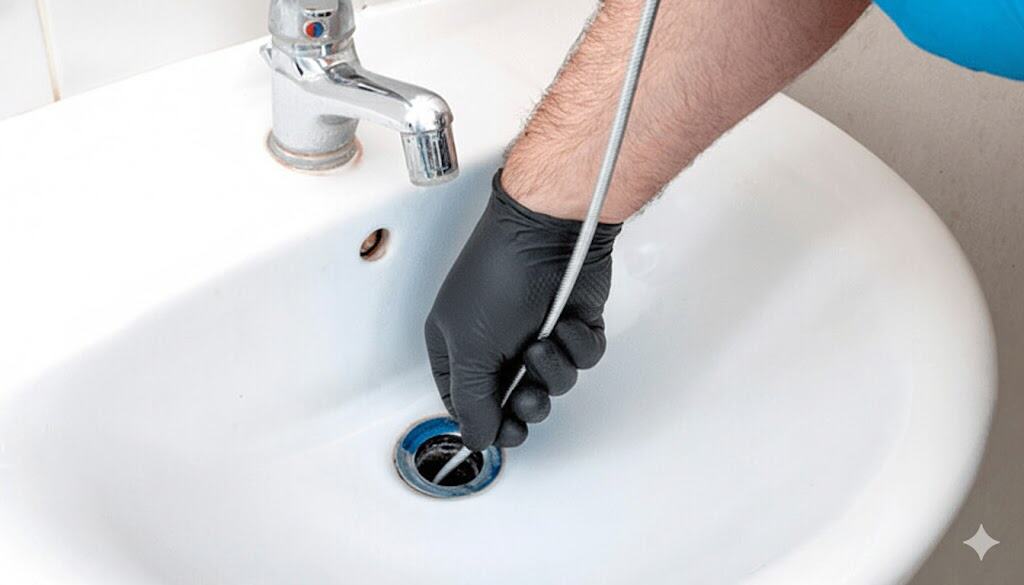
“Plumbing snake” is a broad term that covers simple hand snakes through to heavier-duty cables. For most household jobs, a basic hand snake is enough for hair, soap scum and small food build-ups. Manual snakes, which are operated with a hand crank, are ideal for simple household clogs and shallow blockages within home plumbing systems.
Good habits when using a plumbing snake:
- Use a different attachment or a dedicated closet auger for toilets, so you don’t scratch the bowl.
- Carefully snake into the drain, inserting the cable gently to avoid damaging the pipe.
- Feed the cable steadily rather than ramming it down the pipe.
- Rotate the handle smoothly; jerky movement can tangle the cable.
- After clearing a blockage, run water and watch the drain for a minute or two to confirm the flow is back to normal.
If several fixtures back up at once, the blockage is likely in a main line, and a small snake through one basin may not reach the real problem.
Plumber’s snake – how to use it safely
A plumber’s snake is often heavier and longer than DIY models and can reach deep into sewer or stormwater lines. These units handle tougher clogs, including some roots, but they can damage pipes if misused.
When using a plumber’s snake, always wear safety glasses to protect your eyes from debris, splashes, or flying particles.
Use extra care if:
- Your home has older earthenware or galvanised pipes.
- You suspect tree roots or a collapsed section.
- The cable repeatedly comes back covered in fine mud or grit rather than hair or grease.
If you run into these scenarios, or the drain blocks again shortly after clearing, it’s a good point to call Rapid Service Plumbing for a camera inspection and professional snaking or jetting. Our licensed team can handle persistent or complex blockages safely and effectively.
Plumber snake – quick-reference steps
Here is a simple reference table you can adapt for content:
| Step | What to do | Why it matters |
| 1 | Lay towels, put on gloves and eye protection | Protects floors and eyes from splashback and debris |
| 2 | Remove the trap/cover to access the pipeNote: Sometimes the trap arm, located between the main drain pipe and the P-trap, may also need to be removed for better access. Use caution if the trap arm is glued or sealed, as it is important for trapping debris and preventing clogs further downstream.) | Gives a straighter path into the line |
| 3 | Feed the snake until resistance | Tells you when you have reached a bend or clog |
| 4 | Rotate and ease cable forward | Breaks up or hooks the blockage |
| 5 | Retract cable slowly | Helps bring debris back rather than pushing it deeper |
| 6 | Flush with hot water | Clears remaining residue and tests the drain |
How to use a snake on different drains
Different fixtures tend to clog in different ways, so the way you snake them changes slightly.
- Kitchen sink: Most clogs come from fat, oil, grease and food scraps. A blocked sink often results from solid debris like food scraps or grease. Removing the trap and snaking from there often gives better access than going straight through the basket waste.
- Bathroom basin and shower: Sink drains can also become blocked by hair and soap scum. Removing hair from the visible section first can make snaking more effective and less messy.
- Shower drain: Shower drains commonly clog due to hair and soap scum. Use a drain snake or auger to break up and remove these obstructions, inserting the tool into the shower drain and working it through any resistance.
- Floor wastes and outdoor drains: Leaves, silt and roots are common. These drains may need a longer cable and can hide deeper problems, especially in older properties with mature trees. Solid debris may require more force or specialised techniques to clear.
Disinfect the cable and the immediate area once you are done, particularly after working on bathroom, laundry or sewer lines.
After snaking, flush the drain thoroughly to remove any remaining debris and ensure the drain is fully cleared.
Snake drain DIY – when it makes sense
DIY methods like using a trusty plunger can be effective for simple, shallow clogs. However, these DIY methods may not clear blockages caused by more serious plumbing issues. Many Australian guides describe DIY snaking as a practical option for hair and light debris, as long as you know when to stop and get help.
Rough cost comparison:
| Option | Typical out-of-pocket cost | Best for |
| DIY hand snake | Around $25–$85 for a basic unit from hardware stores | Occasional minor clogs close to the fixture |
| Professional snaking | Commonly $100–$275 for a basic domestic drain clear in many Australian cities | Stubborn, recurring, or deeper blockages |
| Complex drain repairs | From around $250 up to $600+ for sewer or stormwater issues, often more in difficult cases | Collapsed pipes, major root intrusion, multiple fixtures backing up |
If you are facing repeated blockages, several drains gurgling or backing up together, sewer smells or overflow outside, it usually works out cheaper in the long run to get Rapid Service Plumbing involved rather than buying more gadgets and hoping for the best. If your DIY methods fail to clear the blockage, it’s time to call our team so we can sort the issue properly and prevent it from coming back.
Snaking pipes and pipe materials
The type and age of your pipework affect how hard you can push a snake.
- PVC: Common in newer homes, fairly smooth inside and usually handles snaking well when done gently.
- Copper and galvanised: Found in older houses; internal corrosion and rough surfaces can snag cables.
- Earthenware/clay: Very common in older sewer and stormwater lines, prone to cracking and root intrusion, and more vulnerable to rough cable use.
- P trap: A P trap is a common feature in household plumbing. It may need to be removed or cleaned during snaking to access and clear blockages, and it also helps prevent sewer gases from escaping.
If you encounter a solid object in the pipe, specialised tools or professional assistance may be required to remove the obstruction.
Where there is a known history of ground movement, large trees over lines or previous repairs, a camera inspection is often recommended before heavy-duty snaking or jetting.
Snaking a drain – common problems and prevention
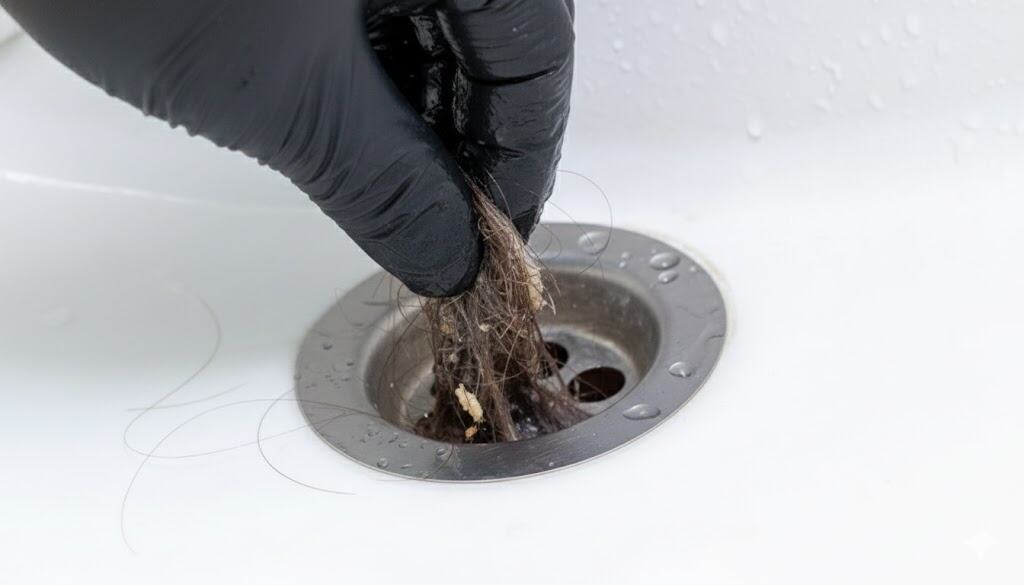
Sometimes a snake will only partially clear a clog. If the cable stops at the same point each time or the drain only improves for a short period, that points to a deeper issue such as roots, a sagging section or a collapsed pipe. Water damage data from Australian insurers shows burst or blocked pipes are the single biggest cause of water damage claims, contributing to nearly half of reported incidents. For persistent drain clogs, avoid relying on chemical cleaners, as they can damage pipes and are less effective than mechanical methods like a drain snake.
Simple prevention habits can dramatically cut the risk of future snaking sessions:
- Use drain strainers in kitchen and bathroom sinks.
- Bin fats, oils, coffee grounds, wipes and sanitary products instead of flushing or rinsing them.
- Avoid pouring grease, hair, or food scraps down the drain to prevent stubborn drain clogs.
- Run hot (not boiling) water through kitchen drains after greasy washing up.
- Keep an eye on trees and shrubs planted over sewer and stormwater lines.
Helpful Statistics or Facts
Here are some Aussie numbers you can use:
- Plumbers in Australia spend around 65% of their working hours on blocked drains and related issues.
- QBE claims data shows burst or blocked pipes account for 46% of water damage claims, and clogged drains are a big contributor to this.
- In Canberra, over 560 blocked stormwater drains needed emergency attention over 18 months.
- Reports and plumber case studies show snakes in toilets and drains are a real but rare problem, far outweighed by everyday blockages from household waste and roots.
Key Takeaways
- Snaking a drain uses a flexible cable to break up or remove clogs and is often the best option for minor household blockages.
- A basic hand snake and good technique can clear many sink, shower and basin clogs, but heavy-duty or powered snakes are best left to pros.
- DIY snaking is good for shallow, occasional blockages; deeper, recurring or multi-fixture problems need Rapid Service Plumbing to investigate properly.
- Pipe material and age matter; older earthenware and galvanised lines are easier to damage and often hide root or structural issues that simple snaking can’t fix.
- Snakes in drains and toilets make headlines but are rare compared to everyday blockages from grease, wipes, hair and tree roots.
- Simple prevention habits, from strainers and binning fats to watching tree roots, reduce the chance of future clogs and expensive water damage claims.