Low hot water pressure with normal cold pressure usually means a restriction on the hot side, such as a partly closed valve, a worn tempering valve, sediment or an ageing braided hose. If hot and cold are both weak, the supply or pressure limiting valve is more likely, so start with this quick check:
- Hot weak, cold fine: the hot water system, its valves or the hot pipes.
- Hot and cold both weak: the mains supply, the meter tap or the pressure limiting valve.
- One tap or shower only: that outlet’s showerhead, aerator or flexible hose.
This guide covers six checks you can safely do yourself, the causes inside the hot water system, Sydney Water’s side of the meter and the jobs that need a licensed NSW plumber. It also explains when low pressure is a sign the system is near the end of its life.
Last reviewed: 16 October 2026
Hot weak but cold fine? Start here
The quickest way to narrow it down is to compare what you’re noticing with the rows below. Each one points to a different part of the plumbing, and only some of them are things you can check yourself.
| What you notice | Where the problem usually is |
|---|---|
| Every hot tap is weak, cold is fine | Inside the hot water system or its valves Look at the valve handles, then call a licensed plumber |
| Hot and cold are both weak everywhere | The supply, the meter tap or the pressure limiting valve Ask a neighbour, then Sydney Water or a plumber |
| The neighbours have low pressure too | Sydney Water’s network Call Sydney Water on 13 20 90 |
| One shower or tap only | That outlet’s showerhead, aerator or flexible hose Clean the showerhead or aerator; a plumber replaces hoses |
| Hot runs then turns cold mid-shower | A continuous flow unit that isn’t getting enough flow Licensed plumber |
| Pressure has dropped slowly over months | Sediment, scale, a worn tempering valve or ageing pipes Licensed plumber |
| Always weak upstairs in an older home | A gravity-fed or low-pressure hot water system Normal for the system; ask a plumber about upgrading |
Source: Sydney Water pressure guidance; Rheem continuous flow troubleshooting. Every home’s plumbing is different.
Six safe checks you can do yourself
Before working out how to fix low hot water pressure, these checks tell you where it’s coming from. They only involve running taps, looking and cleaning a showerhead, and none of them mean opening the hot water unit or touching a valve.
- Compare hot and cold at the same tap. Run each one fully on by itself and note which is weaker.
- Try other hot taps. Check the kitchen, a basin and each shower to see whether it’s one outlet or every hot tap.
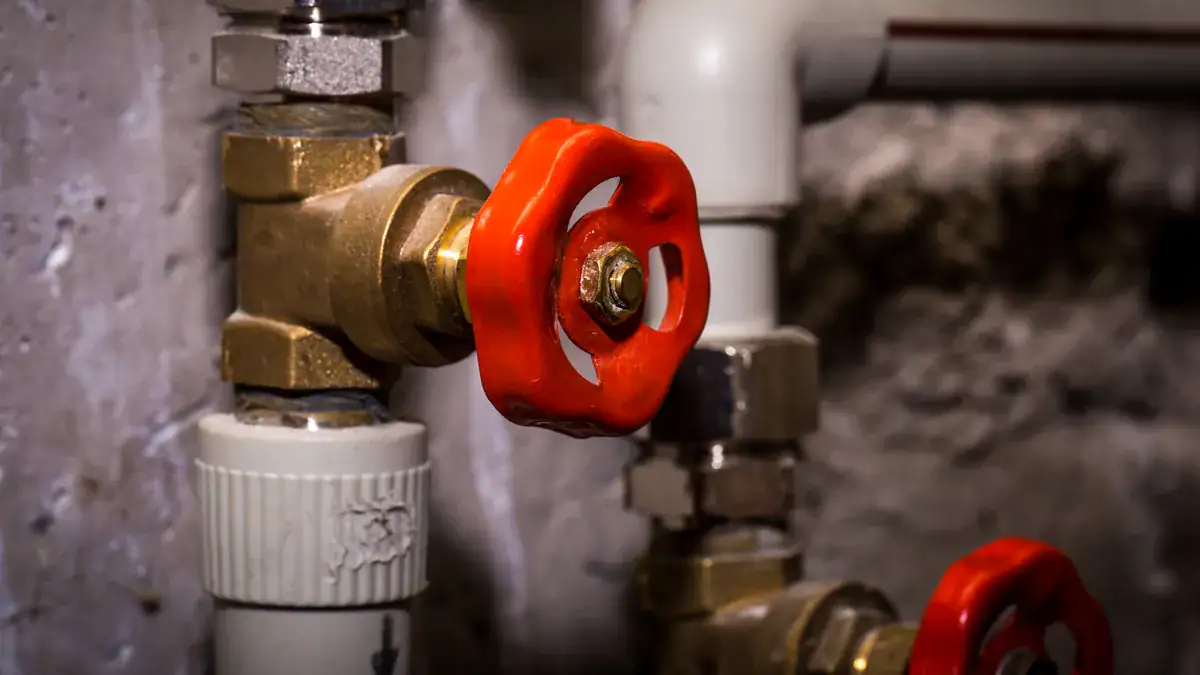
- Look at the cold isolation valve on the hot water unit. On most lever valves the handle sits in line with the pipe when fully open and across the pipe when closed.
- Look at the tap on your water meter. Sydney Water asks owners to check that it’s fully turned on.
- Clean the showerhead or tap aerator. If a single outlet is weak and the head unscrews by hand, soak it in white vinegar for a few hours, rinse it and refit it.
- Do the meter test for a leak. Turn off every tap in the house and watch the meter; if the dial keeps moving, water is escaping somewhere.
If a valve handle looks partly across the pipe, or you can’t tell, leave it exactly as it is and mention it to the plumber. Don’t force, adjust, dismantle or service any valve, because a stiff or worn valve can start leaking once it’s moved.
A moving meter dial with low pressure can point to a hidden leak or a failing pipe. Our guide on what causes pipes to burst explains the warning signs to look for while you wait for a plumber.
When the whole house is low: Sydney Water’s side
When hot and cold are weak at every tap, the cause may not be inside your home at all. Sydney Water gradually reduces pressure in parts of Greater Sydney through its pressure management program, because high pressure can break pipes and cause leaks.
Its first advice is to check that the tap on your water meter, and any taps controlling flow to the hot water system, are fully turned on. If your property has unexplained low pressure or no water at all, Sydney Water asks you to call its 24/7 line on 13 20 90.
Sydney Water also notes that some instantaneous hot water systems, corroded galvanised pipes and existing pressure-reducing valves may need upgrading. That upgrade is a job for a licensed plumber.
Low pressure after a burst or repairs on the main often arrives with discoloured water as well. If that’s what you’re seeing, our guide to brown water from the tap explains how long it should take to clear and who to call.
What causes low hot water pressure
When cold pressure is normal, the restriction sits between the hot water unit and your hot taps. These are the causes our plumbers find most often, roughly in the order they check them.
A partly closed isolation valve
Isolation valves on the cold inlet are often left partly closed after a service or installation. Because cold water doesn’t pass through that valve on its way to the cold taps, only the hot side loses pressure.
The pressure limiting valve
Many homes have a pressure limiting valve near the meter that keeps mains pressure below what the household plumbing is designed for. The National Construction Code caps static pressure inside a building at 500 kPa, which is why these valves are fitted.
As the valve wears, it can let through less water than it should, and the drop is felt at every tap in the house. A plumber tests it with a pressure gauge at the meter, then adjusts or replaces it.
The tempering valve
A tempering valve on the hot outlet blends in cold water so bathroom taps run at a safe temperature. Scale or a worn cartridge inside it can restrict flow, and the usual signs are pressure dropping over months and water that’s cooler than it used to be.
In NSW, heated water to home bathrooms must be delivered at no more than 50°C. The Building Commission NSW lists the tempering valve as one approved way to do that, and because it guards against scalds, a licensed plumber tests and replaces it.
Sediment in a storage tank
Storage tanks collect sediment on the bottom over the years, and if it builds up around the outlet it can cut the flow at the tap. Rumbling noises and hot water running out sooner often show up at the same time.
A plumber flushes the tank and checks the outlet during a service. Draining a tank yourself risks scalds and damage to the unit, so it isn’t one of the safe checks.
Scaled or corroded hot pipes
Older galvanised steel pipes narrow from the inside as they rust, and the hot side often suffers first. Replacing the worst sections with copper or plastic pipe usually restores the flow.
Worn braided hoses
Flexible braided hoses connect many basins, kitchen mixers and some showers to the pipe in the wall. Their rubber lining can swell or collapse with age, which restricts one outlet while the rest of the house is fine.
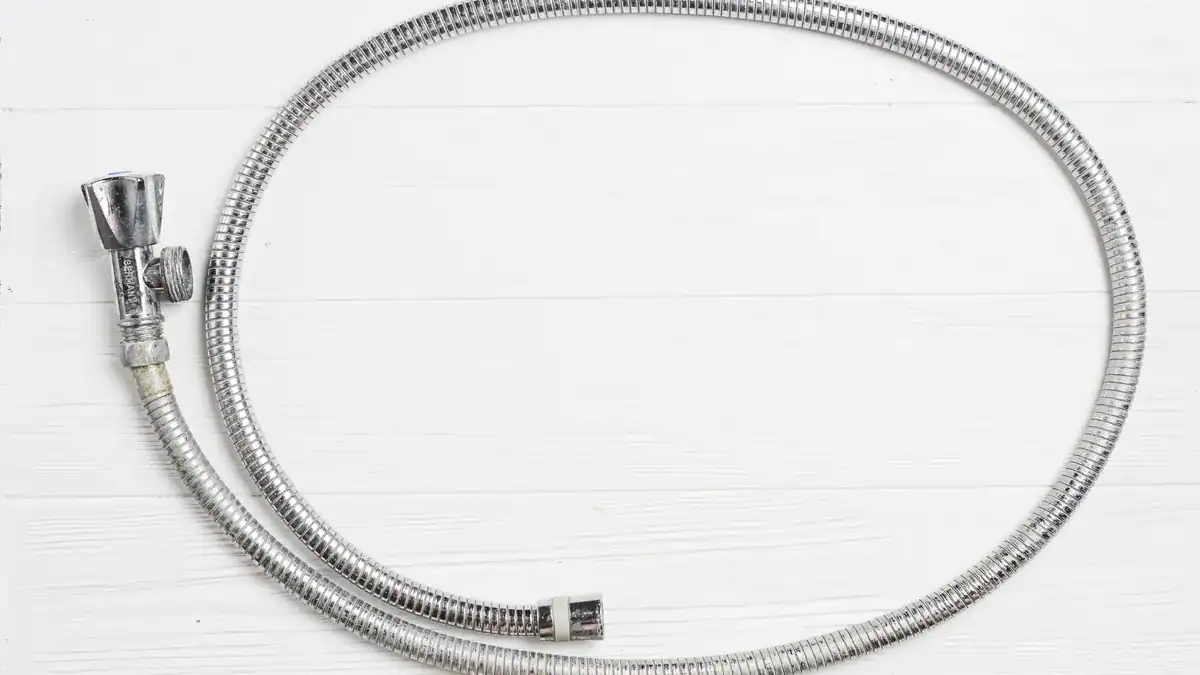
A hose that looks rusty, kinked or bulging, or water collecting under the sink, is worth a plumber’s visit soon. Hoses are replaced by a plumber with correctly rated fittings, and an ageing one can burst without much warning.
Continuous flow units
Continuous flow (instantaneous) units only heat while enough water is flowing through them. Rheem notes that flow restrictors and water saving low flow taps can leave the flow too low to keep the heater running.
It often shows up as low hot water pressure in the shower, or hot water that goes cold halfway through. Rheem’s advice is to have a plumber raise the flow to at least two to three litres per minute, and our Rheem troubleshooting guide covers the error codes these units show.
Gravity-fed and low-pressure systems
Some older homes still run on a gravity-fed or low-pressure hot water system, which relies on the height of the storage tank rather than mains pressure. Weaker flow is expected, especially on upper floors, and the building code’s pressure limits don’t apply to these existing gravity-only services.
In that case low pressure isn’t a fault, as the system is working as designed. Upgrading to a mains pressure system is usually the most effective long-term fix.
Safe to check vs licensed work
In NSW, you need a licence or certificate before you can do any plumbing, draining or gasfitting work, according to the NSW Government. This table shows where the line sits for low hot water pressure.
| Task | Who does it |
|---|---|
| Comparing hot and cold, trying other taps | Safe for you to do |
| Looking at valve handle positions | Safe for you to do, without forcing or adjusting them |
| Cleaning a showerhead or aerator, the meter test | Safe for you to do |
| Freeing, adjusting or replacing any valve | Licensed plumber |
| Testing or replacing a pressure limiting valve | Licensed plumber |
| Servicing or replacing a tempering valve | Licensed plumber |
| Flushing a tank or cleaning an inlet strainer | Licensed plumber |
| Replacing hoses or pipes, changing flow rates | Licensed plumber |
Source: NSW Government plumbing licensing guidance. Electrical work on a hot water unit needs a licensed electrician.
What a plumber checks in a Sydney home
On a low pressure callout, our plumbers start by measuring the incoming pressure at the meter, so they know straight away whether the supply or the house is the problem. From there they work along the hot side towards the weak taps.
In Sydney homes, that usually means checking the pressure limiting valve, the isolation and tempering valves on the hot water unit, any braided hoses and the condition of older galvanised pipe. Terraces and older units sometimes turn out to have a low-pressure system that was never designed for modern showers.
If the problem is the hot water unit itself, our team handles hot water repairs and replacements across Sydney. Any valve, tank or pipe work is done to NSW licensing requirements.
Repair or replace the hot water system?
Sometimes low pressure is one sign among several that the system is near the end of its working life. These are the warning signs that make replacement worth discussing with a plumber.
- The system is over 10 years old.
- Pressure problems keep coming back after repairs.
- Hot water runs out faster than it used to or takes longer to recover.
- The unit makes rumbling or popping noises.
- Temperatures are inconsistent alongside the low pressure.
Our guide on how long a hot water system lasts covers typical lifespans by type. If the unit also cuts out or runs lukewarm, our hot water system troubleshooting guide has the safe checks for that.
Frequently asked questions
Why is my hot water pressure low all of a sudden?
A sudden drop usually has a specific trigger, such as a valve left partly closed after work, a failing pressure limiting valve, a burst hose or a leak. If the cold is still strong, the cause is almost always on the hot side.
Why is hot water pressure low but cold fine?
Cold water reaches the cold taps without going through the hot water unit. So a restriction in the unit, its valves or the hot pipes only affects the hot taps, most often a partly closed valve, a worn tempering valve, sediment or a collapsed hose.
How do I increase the hot water pressure in my house?
Find the cause first, because the fix depends on it, from cleaning a showerhead to replacing a worn valve. Valve work, pipe work and upgrading a gravity-fed system to mains pressure are jobs for a licensed plumber.
What are the first signs a hot water system is failing?
Watch for hot water running out sooner, rumbling or popping from the tank, discoloured hot water, leaks around the base and pressure that keeps dropping. Any of these is worth a plumber’s inspection before the unit fails completely.
When to call a plumber
Call a licensed plumber if every hot tap is weak, the pressure keeps dropping, a valve handle looks partly closed, or the meter shows water moving with every tap off. Those signs point to something that a safe check alone won’t fix.
Rapid Service Plumbing’s licensed plumbers trace low hot water pressure across Sydney, from hot water system repairs to valve and pipe replacement. A plumber can confirm where the restriction is and what it will take to fix.
This guide is general information. Plumbing, drainage and gas work in NSW must be done by a licensed tradesperson.