
Blocked drains are a regular headache in Australian homes, especially in busy kitchens, older bathrooms and homes with lots of trees around the property. Grease, food scraps, hair and soap residue slowly build up until water starts draining slowly or backing up altogether. Many people reach straight for harsh chemical drain cleaners, but these can damage older pipes, create strong fumes and are not ideal for the environment or septic systems.
That’s why baking soda and vinegar have become go-to options for a lot of households. They’re cheap, easy to find in any supermarket, and when used correctly, they can help clear minor blockages and keep drains fresher between professional visits. For serious blockages, recurring issues or sewer smells, Rapid Service Plumbing is still the safest bet, but for light clogs and maintenance, this guide will walk through what you can do at home.
Baking Soda Vinegar Drain

The basic idea is simple: baking soda (bicarb soda) and vinegar react together in your drain, creating fizzing and foam that helps loosen grime on the inside of the pipes. That bubbling action can shift build-up from food, soap, hair and general gunk, especially in kitchen sinks and bathroom drains. Many Australian plumbing and home advice sites describe this combo as best for slow drains and smells, rather than full, solid blockages.
It’s helpful to set expectations. Baking soda and vinegar work best when water is still moving through the drain, even if it’s a bit slow. If the drain is completely blocked and water isn’t going anywhere, there’s a good chance the clog is too solid, too deep or caused by something like tree roots or a collapsed pipe. In those situations, home remedies are unlikely to fix the problem, and a plumber is the safer option.
Drain Cleaner Baking Soda
Baking soda on its own is a surprisingly effective drain cleaner for mild problems and regular maintenance. It’s mildly abrasive and alkaline, which helps loosen residue on pipe walls and neutralise odours from decomposing organic matter. Many Australian “green cleaning” guides recommend a regular baking soda flush for kitchen and bathroom drains to keep them smelling fresher.
Using baking soda only is handy when you want something very gentle or when you’ve recently used an acidic product and don’t want another strong reaction. For example, a monthly routine might be:
- Pour half to one cup of baking soda into the drain.
- Leave it for 15–30 minutes.
- Flush with a full kettle of hot water.
This simple routine can help reduce the build-up that eventually leads to clogs, and it avoids the risks that come with aggressive chemical cleaners.
How to Clean Pipes with Vinegar and Baking Soda
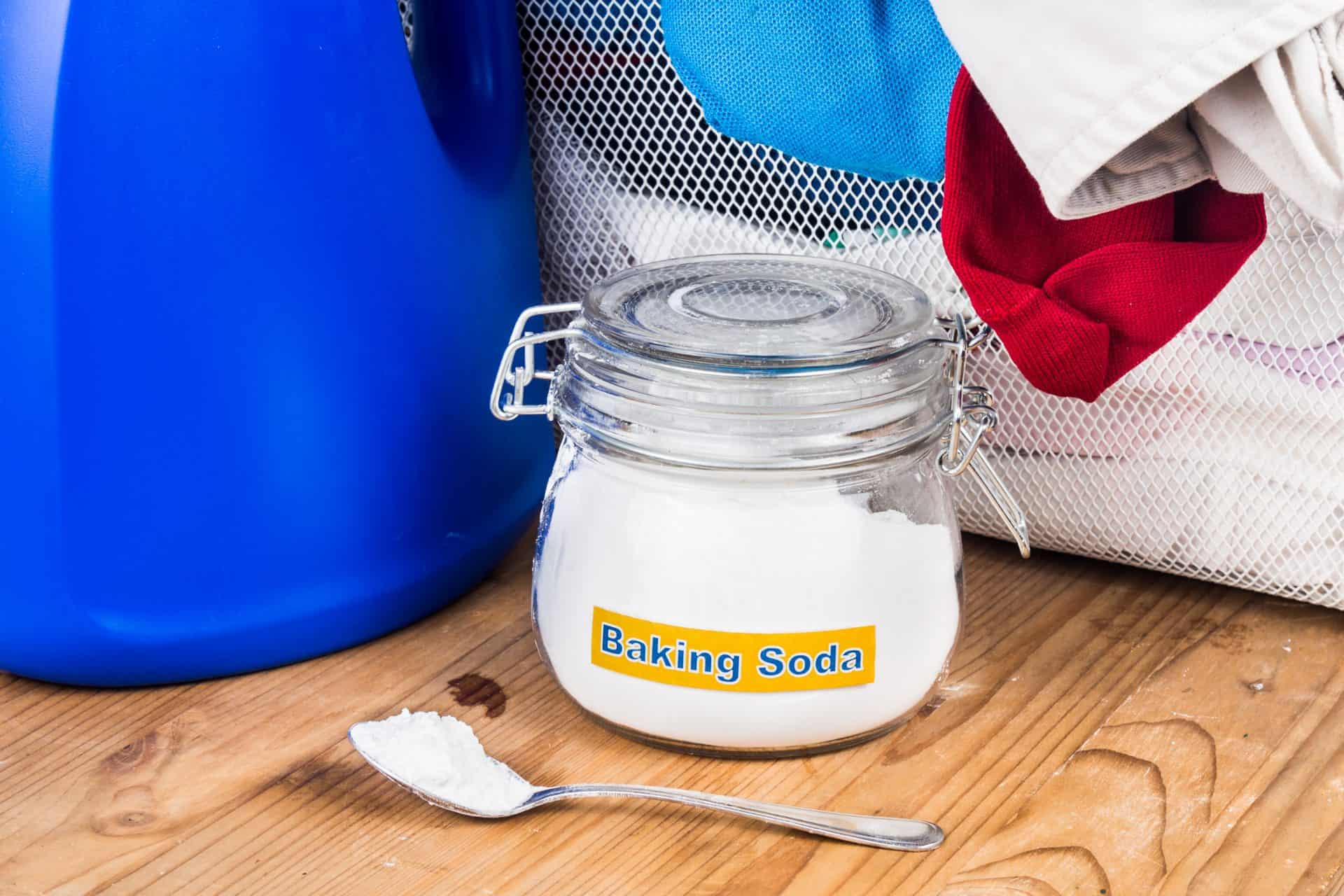
When baking soda and vinegar meet inside the pipes, they create carbon dioxide and water, along with that familiar fizz. That bubbling helps agitate debris, while the mix of alkaline and mild acid can loosen some types of grime on the pipe walls. It’s not magic, but it can shift softer deposits so the hot water flush that follows can carry them away.
In horizontal pipes, such as under a kitchen sink, the fizz tends to spread along the bottom of the pipe where grease and food residue often sit. In vertical waste pipes, it mainly works around the bend and the immediate area where you poured it in. This is why it’s helpful for local build-up near the fixture, but less effective for deep blockages further down the line.
How to Unclog a Drain Using Baking Soda and Vinegar
Here’s a straightforward method you can follow at home for a slow or partially blocked drain:
- Clear any standing water so the ingredients can reach the blockage.
- Pour about one cup of baking soda directly into the drain.
- Follow with one cup of white vinegar.
- Plug the drain or cover it with a cloth to keep the reaction in the pipe.
- Wait 15–30 minutes while the mixture fizzes.
- Flush the drain with a kettle of hot (not boiling for older PVC) water.
Safety tips:
- Avoid mixing this method with commercial chemical drain cleaners. Combining different chemicals can cause dangerous reactions.
- Wear gloves and protect your eyes when handling hot water.
- If you have older or fragile pipes, use hot rather than fully boiling water to reduce thermal shock.
If the drain improves but is still a bit slow, you can repeat this once more. If there is no change at all, it’s a sign that the blockage might need mechanical clearing by a professional.
Unclog Pipes with Baking Soda and Vinegar
You can adapt the same method for different parts of your home:
- Kitchen pipes: Food scraps, oils and fats are common culprits here. Scrape plates into the bin first, then use baking soda and vinegar for slow drainage and smells. Follow up with hot water to help melt and move the grease.
- Bathroom pipes: Hair and soap scum build up over time in basins and showers. A baking soda and vinegar treatment helps loosen soap film, but you might still need to remove hair physically with a simple drain tool.
- Laundry or floor drains: Lint and dirt can settle in these pipes. If water is slow but still moving, baking soda and vinegar, followed by hot water, might give some relief.
Many plumbing maintenance guides suggest using a mild natural cleaner monthly to keep pipes in better shape. This is more about prevention and odour control than fixing major blockages, but over a year, it can reduce the need for emergency call-outs.
Unclogging Drain with Baking Soda and Vinegar
Sometimes the first attempt doesn’t fully solve the problem, especially if the blockage has been building up for a long time. You can adjust the approach without overdoing it:
- Repeat the baking soda and vinegar step once more on another day.
- Add a few tablespoons of salt with the baking soda for extra scrubbing power, especially in greasy kitchen drains.
- After the fizzing and hot water flush, use a plunger to help dislodge the softened blockage.
If you notice any of these signs, stop the DIY attempts:
- Multiple fixtures in the house are backing up at once.
- There is a strong sewage smell indoors.
- Water bubbles up in one drain when another is in use.
Those symptoms point to a more serious issue in the main line, which means it’s time to call Rapid Service Plumbing so our licensed team can step in with the proper equipment and expertise to fix the problem correctly.
How to Unclog Drain with Baking Soda
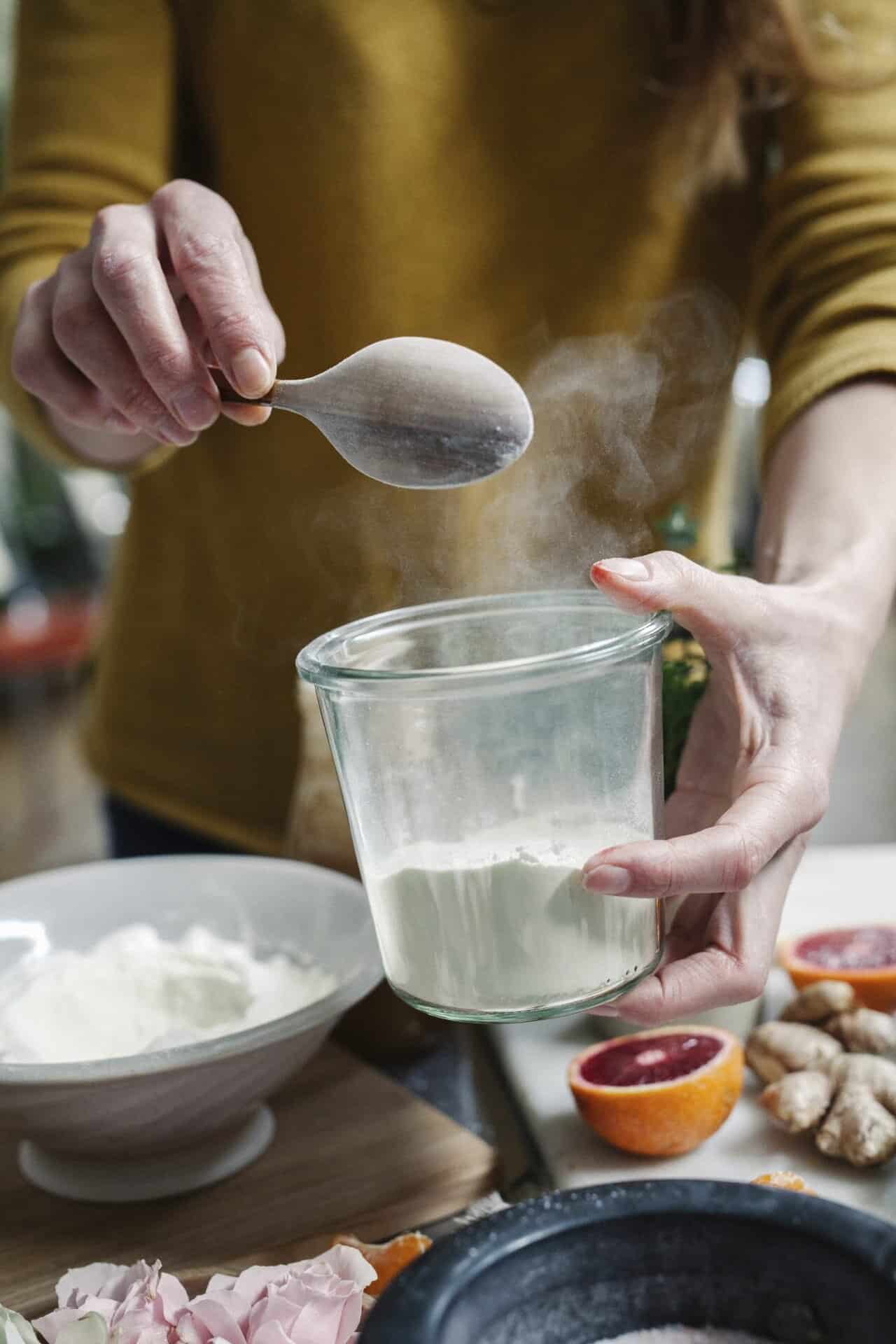
When you want a simple, gentle method, you can skip the vinegar and just use baking soda with hot water. This works best for mild slow-drain issues and odours, especially in basins and showers.
Basic method:
- Pour half to one cup of baking soda down the drain.
- Leave it for 30–60 minutes (or even overnight for smell problems).
- Flush slowly with a full kettle of hot water.
This approach is very pipe-friendly and safe for most systems, including septic tanks. It won’t cut through heavy grease plugs or large hair clumps, but it helps keep lighter build-up under control and can delay more serious blockages from forming.
Unclog Sink with Baking Soda
Sinks deserve a bit of special attention because they cop a lot of daily use.
Kitchen sink tips:
- Remove any visible food scraps from the plughole or basket.
- Pour one cup of baking soda down the drain.
- Let it sit for at least 20–30 minutes.
- Flush with hot water to carry loosened food particles away.
Bathroom or laundry sinks:
- Hair, toothpaste and product residue can cling to the sides of the pipes.
- Combine a baking soda flush with a quick clean of the plug and overflow area, where gunk often collects.
Prevention habits make a big difference:
- Use a sink strainer to catch food and hair.
- Wipe grease from pans with a paper towel before washing.
- Avoid tipping used cooking oil down the sink; cool it and put it in the bin instead.
Unblock a Drain with Baking Soda
Beyond sinks, baking soda is handy for showers, baths and floor wastes.
For a shower or bath:
- Scoop or pull out visible hair from the grate.
- Sprinkle half a cup of baking soda into the drain.
- Leave it for 30 minutes.
- Flush with hot water.
For floor drains:
- Remove the cover and clean any debris you can reach.
- Add baking soda, leave it to sit, then flush with hot water.
- If you can safely access the trap, a quick visual check for build-up can be useful.
You can combine baking soda with salt here for extra scouring power. A common ratio is half a cup of baking soda with half a cup of table salt, left in the drain for at least an hour before flushing with hot water.
How to Unblock a Drain Naturally

Baking soda and vinegar aren’t the only natural options available for a blocked drain. There are other approaches that stay away from harsh chemicals and fit well with a more eco-conscious household.
Common natural methods:
- Boiling or hot water alone for very mild grease build-up.
- A plunger to create pressure and shift soft clogs.
- Simple drain tools or a bent wire coat hanger to pull out hair.
- Enzyme-based drain cleaners that use bacteria and enzymes to break down organic matter over time.
Many Australian guides on natural cleaning highlight environmental benefits here: less chemical discharge into waterways, safer for pets and children, and kinder to septic and greywater systems. Some plumbers report that a large portion of blocked-drain call-outs are linked to years of accumulated grease and foreign objects, rather than sudden failures, which means better habits and simple natural maintenance can genuinely reduce the risk of an emergency visit.
Helpful tables and Guide
Table 1: Common drain issues and natural options
| Problem | Likely cause | Natural steps to try first |
| Slow kitchen sink | Grease and food residue | Baking soda + vinegar, then hot water, then plunger |
| Smelly bathroom basin | Soap scum and trapped debris | Baking soda only, then hot water, clean plug and overflow |
| Shower water is pooling around the feet | Hair and soap | Remove hair, baking soda + vinegar, then hot water |
| Gurgling floor drain | Build-up in the trap | Baking soda + hot water, check for debris, then plunger |
| Multiple drains are backing up together | Main line problem | Stop DIY and call Rapid Service Plumbing |
Table 2: Simple baking soda and vinegar “recipes”
| Use case | Baking soda | Vinegar | Wait time | Final flush |
| Mild slow drain | 1 cup | 1 cup | 15–30 minutes | 1 kettle of hot water |
| Odour control | ½–1 cup | Optional | 30–60 minutes | Hot tap water |
| Greasy kitchen drain | 1 cup + 2 tbsp salt | 1 cup | 30 minutes | 1–2 kettles of hot water |
| Monthly maintenance routine | ½ cup | ½–1 cup | 15 minutes | Hot tap water |
Key takeaways
- Baking soda and vinegar can help with slow, minor blockages and drain odours, especially near the fixture.
- Baking soda alone is useful for gentle, regular maintenance and keeping smells under control.
- These natural methods are kinder to pipes, septic systems and the environment than harsh chemical cleaners.
- Removing hair and food scraps by hand before using any cleaner makes every method more effective.
- If water is completely stuck, multiple fixtures are affected, or there are sewer smells, it’s time to call Rapid Service Plumbing rather than keep trying DIY fixes.