

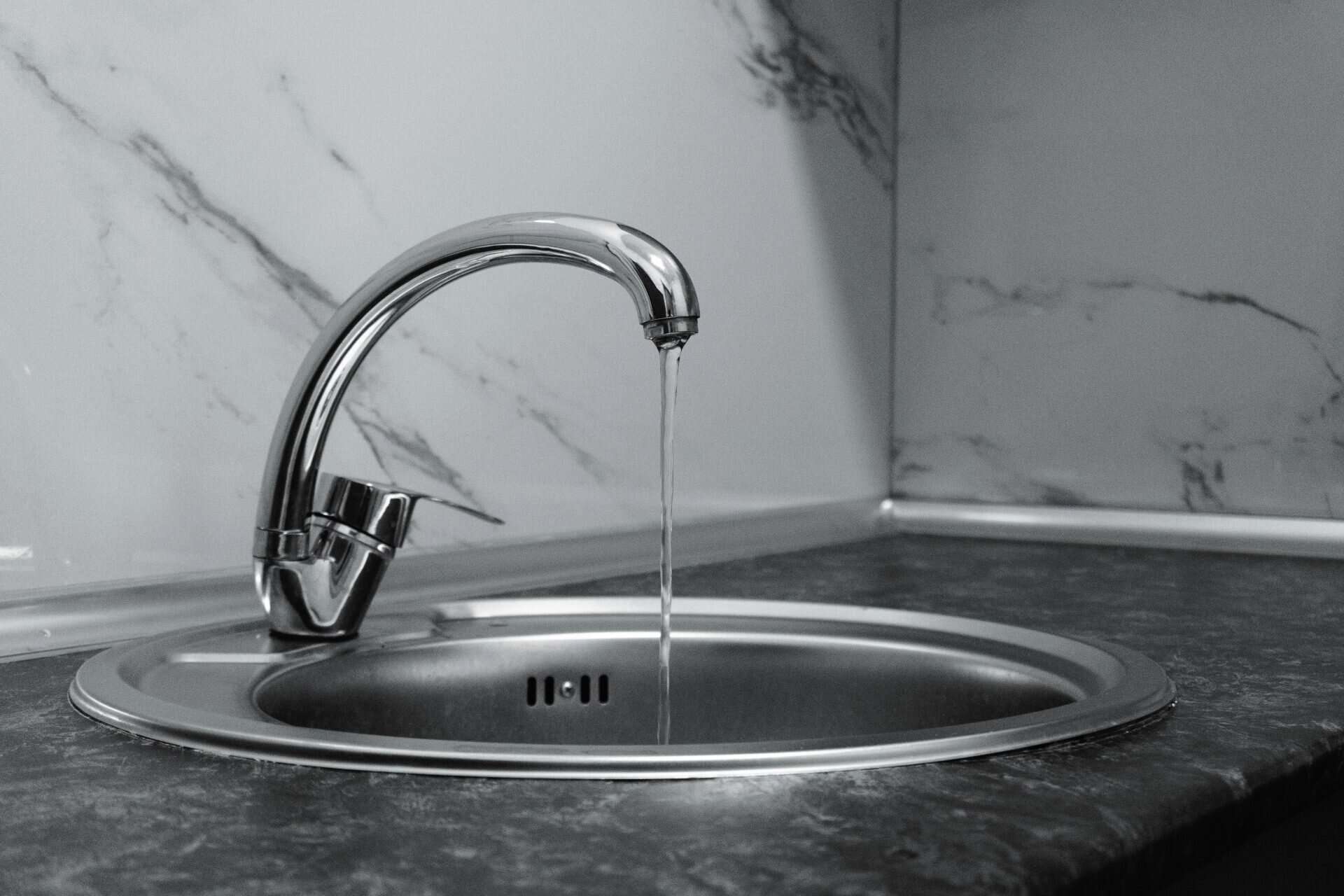
That steady drip sounds small. It isn’t. According to the Australian Government’s YourHome resource, a tap dripping once per second wastes more than 12,000 litres of water a year. That’s money on your water bill, staining on your basin, and slow moisture damage to the cabinetry underneath, all from something that costs a few dollars to fix. Knowing how to fix a leaking tap is one of those genuinely handy DIY skills, and most taps respond well to a basic washer or O-ring swap. This guide covers what’s likely causing the drip, how to fix it based on your tap type, and when it makes more sense to call a plumber.
Why Is My Tap Leaking? Common Causes
The good news is that most leaking taps come down to a small worn part rather than anything complicated. The fix is often cheaper than you’d expect and doesn’t require much in the way of plumbing knowledge.
Common causes include:
- Worn rubber washer: The most frequent culprit in older taps. The washer presses against the valve seat every time you turn the tap off, so it gradually flattens or cracks with use
- Damaged O-ring: A small rubber ring that seals the spindle. When it wears, water seeps around the handle or pools at the base of the spout
- Corroded valve seat: The metal surface the washer presses against can get pitted by mineral deposits over time. A new washer won’t seal against a rough seat
- Worn ceramic cartridge: Most modern mixer taps use ceramic discs instead of washers. When the cartridge goes, the tap drips or won’t close fully
- Loose internal parts: High water pressure can gradually shake things loose inside, leading to slow seeping even when the tap’s fully closed
How to Tell Where the Leak Is Coming From
Pinning down the source before you start means you’ll replace the right part first time. Three locations, three different problems:
- Drip from the spout: Usually a worn washer or ceramic cartridge
- Water around the handle: Often a worn O-ring on the spindle
- Pooling at the base of the spout: Typically O-ring wear where the spout meets the tap body
What You’ll Need Before You Start
Get everything together before you take the tap apart. You really don’t want to be rummaging through the kitchen drawer for a screwdriver with the water off and a tap half-dismantled.
Grab these first:
- Adjustable spanner
- Flathead and Phillips head screwdrivers
- Allen key (needed for some modern tap handles)
- Replacement washer, O-ring, or ceramic cartridge matched to your tap
- Silicone-based plumber’s grease
- Small towel or bucket
- Penetrating oil (optional, handy if the tap hasn’t been serviced in years)
Replacement washers are easy to find at hardware stores. The two most common sizes in Australian homes are 12mm and 15mm. When in doubt, take the old washer with you and match it in person.
How to Fix a Leaking Tap: Step-by-Step (Washer Tap)
Traditional compression taps are easy to recognise. They have two separate handles, one hot and one cold, and rotate several full turns when you open or close them. These are still common in older Sydney homes and rely on a rubber washer to create the seal.
Leaking Tap Washer Replacement: Step by Step
- Turn off the water supply. Most basins and kitchen sinks have isolation valves under the sink. Turn them clockwise to close. No isolation valves? Shut off the main water meter at the front of the property.
- Open the tap to drain the pipes before you start pulling anything apart.
- Remove the handle cap. There’s usually a small decorative cover marked H or C. Prise it off with a flathead screwdriver to find the screw underneath.
- Unscrew the handle and lift it straight off.
- Remove the skirt or cover plate if there is one. It might unscrew, or just lift off.
- Unscrew the bonnet nut with your adjustable spanner, turning anti-clockwise. Hold the tap body steady with your free hand so you’re not putting stress on the pipes behind the wall.
- Pull out the spindle and jumper valve. You’ll see the rubber washer at the base, usually held by a small brass screw.
- Swap out the washer for a new one of the same size. While you’re in there, check the O-ring on the spindle body too. If it looks flattened or worn, replace that as well.
- Run your finger around the valve seat inside the tap body. If it feels rough or gritty, mineral build-up may be the problem. A light wipe can help. If the seat is deeply pitted, a plumber may need to reface or replace it.
- Apply a little plumber’s grease to the spindle threads and the new O-ring before putting everything back together.
- Reassemble in reverse. Tighten the bonnet nut firmly, but don’t overdo it. Brass strips surprisingly easily.
- Turn the water back on slowly and test. Watch the spout and around the handle for any sign of dripping.
How to Match the Right Washer Size
Most Australian taps take a 12mm or 15mm washer. Take the old one to the hardware store with you and match it up directly. Universal washer kits come with a range of sizes, which makes them worth buying if you’ve got multiple taps around the house that could do with servicing.
How to Fix a Dripping Tap with a Ceramic Cartridge
If your tap only turns a quarter or half turn to open, it’s almost certainly a ceramic disc tap. Modern mixer taps in kitchens and bathrooms typically use this system. The key difference here is that when things go wrong, the whole cartridge needs replacing, not just a washer.
- Turn off the water supply at the isolation valves or the mains.
- Open the tap briefly to release pressure and drain what’s left in the line.
- Remove the handle. There’s usually a grub screw at the base or back. Loosen it with an Allen key and the handle should lift straight off.
- Remove the decorative cap or shroud to get to the retaining nut underneath.
- Undo the retaining nut with your spanner.
- Lift the ceramic cartridge straight out. Take note of which way it’s oriented before you pull it, because it needs to go back in the same direction.
- Take the old cartridge to a hardware store or plumbing supplier to get a match. Ceramic cartridges are brand and model specific, so “looks similar” won’t cut it here.
- Seat the new cartridge correctly, aligning it with the locating pins.
- Reassemble in reverse and slowly turn the water back on to test.
If you can’t identify the brand, check under the sink for any original packaging or documentation, or look for a brand name stamped on the tap body.
Tap Leaking from Base? How to Fix an O-Ring
A leak at the base of the spout, particularly one that only shows up when the tap is actually running, is almost always an O-ring issue. The O-ring sits in a groove around the spout body and seals the joint where the spout meets the tap. It’s one of the more common causes of common plumbing problems in Sydney homes, and it’s usually a quick fix.
- Turn off the water supply at the isolation valves.
- Open the tap briefly to release pressure.
- Remove the spout. Most spouts pull straight up off the tap body once the water’s off. Some have a small clip or screw holding them.
- Find the O-ring in its groove near the base of the spout or on the tap body below it.
- Slide off the old O-ring carefully and note the size.
- Roll the new O-ring into place and apply a thin smear of silicone plumber’s grease so it seats cleanly and lasts longer.
- Refit the spout and restore the water supply.
- Run the tap and watch the base closely for any sign of moisture.
O-rings cost very little and replacing them at the first sign of wear is straightforward plumbing maintenance.
How to Stop a Dripping Tap: When DIY Isn’t Enough
A lot of tap leaks are fixable at home. But there are situations where pushing ahead with a DIY repair will either not work or make things more complicated.
Call a plumber if:
- The tap is still dripping after you’ve replaced the washer or cartridge
- The valve seat looks pitted or corroded and needs professional resurfacing
- The tap body is cracked, seized, or badly corroded
- There’s no isolation valve and you’d need to cut the mains to work safely
- The leak is coming from behind the wall or under a slab
- The tap is old enough that parts are no longer available
If a simple repair has turned up a broader problem, our guide on how to prevent plumbing issues covers what to stay on top of around the house. If the tap itself has reached the end of its life, tap repairs Sydney covers professional repair and replacement options.
Worth checking while you’re at it: a leaking toilet cistern can quietly waste just as much water, and the fix is often just as straightforward.
Can I Fix a Leaking Tap Myself in NSW?
Yes, for most standard repairs. Swapping out a tap washer, O-ring, or ceramic cartridge is legal DIY maintenance for homeowners in NSW. You don’t need a licensed plumber for these jobs.
What you can’t do is work on anything directly connected to the main water supply or sewer system. If the repair goes beyond replacing internal tap components, it becomes regulated plumbing work and needs a licensed plumber in NSW to handle it. Not sure which side of the line your job falls on? A quick description over the phone to a plumber will usually give you a clear answer.
How Much Does It Cost to Fix a Leaking Tap in Sydney?
DIY parts are cheap. Replacement washers and O-ring kits run $5 to $20 at most hardware stores. Ceramic cartridges cost a bit more, usually $15 to $60 depending on the brand.
If you’d rather hand it over to a plumber, a standard tap repair in Sydney typically costs somewhere between $100 and $250, depending on job complexity and whether a call-out fee applies. Older taps or those needing full replacement will be higher. A written quote before any work starts is always worth asking for.
Key Takeaways
- A dripping tap wastes over 12,000 litres of water a year, so the sooner you fix it the better
- Most leaks come down to a worn washer, damaged O-ring, or failed ceramic cartridge, all of which are cheap and relatively easy to replace
- Identify where the leak is coming from before you start: spout drip points to a washer or cartridge, while base or handle leaks usually mean O-ring wear
- Washer and O-ring replacements are legal DIY in NSW; anything beyond that needs a licensed plumber
- If the tap keeps dripping after the repair, the valve seat is likely damaged and will need professional attention