How many times have you been told that Sydney tap water is “perfectly safe to drink”? If your answer is “quite a lot,” consider this: the word “perfectly” is doing some heavy lifting there.
You’re certainly not going to keel over from your next sip of water. But there’s no denying you can taste the chlorine sometimes. And if the water is truly perfect, why do so many people filter it?
Let’s take an honest look at what’s really in Sydney’s tap water, what the guidelines actually say, and whether you should be doing anything about it.
Is it safe to drink tap water in Sydney?
Sydney tap water is safe to drink. It meets the Australian Drinking Water Guidelines and undergoes rigorous testing before it reaches your tap. Sydney Water tests for over 70 different characteristics including taste, smell, colour, chemicals and microorganisms.
But “safe” and “perfectly pure” aren’t the same thing.
According to NSW Health, there’s no such thing as naturally pure water. By the time rainwater flows through catchments, into dams, and through kilometres of pipes to your tap, it picks up a range of substances along the way. Most are harmless. Some require treatment to keep them at safe levels.
The global water advisory site tapsafe.org puts it well: Sydney tap water is “generally safe to drink.” Not perfectly. Generally.
Where Does Sydney’s Water Come From?
More than 80% of Sydney’s drinking water comes from Warragamba Dam, with additional supply from catchments in the Shoalhaven, Upper Nepean, Woronora and Blue Mountains areas. Rainwater flows into creeks and rivers that feed 11 major dams with a combined capacity of 2.6 million megalitres.
This water is treated at filtration plants like the Prospect Water Filtration Plant before distribution. When dam levels drop, the Kurnell desalination plant kicks in, using reverse osmosis to extract freshwater from seawater.
The treatment process includes several stages: screening to remove debris, flocculation to clump fine particles together, filtration through sand and anthracite, and disinfection using chlorine. Fluoride is also added to promote dental health.
What’s Actually in Sydney Tap Water?
Here’s a straightforward breakdown of what you’re drinking:
Chlorine: Added to kill bacteria and viruses as water travels through the distribution system. It’s necessary for public health, but it’s also why your water sometimes tastes like a swimming pool. The levels are well within safe limits, but if you’re sensitive to the taste, letting water sit in a jug for an hour or keeping it in the fridge helps it dissipate.
Fluoride: Added at around 1mg/L to help prevent tooth decay. This is a public health measure supported by NSW Health.
Trace metals: Small amounts of copper, lead, and other metals can be present. These typically come from your home’s plumbing rather than the water supply itself. More on this below.
Chloramine: A combination of chlorine and ammonia used as a longer-lasting disinfectant in some parts of the network.
The PFAS Question
PFAS (per- and polyfluoroalkyl substances) are synthetic chemicals sometimes called “forever chemicals” because they break down extremely slowly in the environment. They’ve been used in everything from non-stick cookware to firefighting foam.
In 2024, elevated PFAS levels were detected at the Cascade Water Filtration Plant serving the Blue Mountains. This understandably concerned residents.
Here’s where things stand now. In June 2025, the National Health and Medical Research Council released updated Australian Drinking Water Guidelines with new, lower limits for PFAS. The NSW Government has confirmed that all public water supplies across NSW, including Sydney Water and regional utilities, meet these updated guidelines based on 2024 and 2025 testing.
The Blue Mountains supply is now compliant following measures including water transfers from Oberon Dam. WaterNSW continues ongoing monitoring and investigation into the source of contamination.
So while PFAS remains something worth watching, current testing shows Sydney’s drinking water meets the latest safety standards.
Lead and Your Home Plumbing
This is where things get interesting. The water leaving Sydney’s treatment plants is essentially lead-free. But by the time it reaches your glass, it may have picked up trace amounts of lead from your own plumbing.
Here’s something most people don’t realise: Australia doesn’t have a widespread problem with lead pipes. We replaced those with copper from the 1930s onwards. The issue is brass fittings.

Brass taps, valves, and fittings can contain up to 4.5% lead. When water sits in contact with these fittings, small amounts of lead can leach into the water. A Macquarie University study of NSW homes found that 56% of samples contained detectable lead levels, with 8% exceeding Australian Drinking Water Guidelines.
The contamination is worse when water has been sitting in pipes overnight or for extended periods.
What you can do about it:
The enHealth guidance (part of the Australian Government Department of Health) recommends flushing your cold water tap for at least two minutes before using water for drinking or cooking, especially first thing in the morning. This “first flush” water can be used for watering plants or washing up.
Also important: always use cold water for drinking and cooking. Hot water systems can contain higher concentrations of dissolved metals because the heating process accelerates leaching.
Coming in 2026: From May 2026, all new plumbing installations in Australia must use lead-free certified products under the National Construction Code. This won’t fix existing plumbing, but it’s a step in the right direction for new builds and renovations.
If you’re concerned about lead in your water, testing is available through accredited laboratories. For older homes with brass fittings, a quality water filter or pipe relining can provide peace of mind.
Sydney’s Soft Water
One genuine advantage of Sydney tap water: it’s soft.
Soft water means low concentrations of calcium and magnesium ions. This happens because Sydney relies primarily on surface water from dams and reservoirs rather than groundwater.
The practical benefits are real. Soft water is gentler on skin and hair. It produces less scale buildup in kettles, dishwashers, and hot water systems. Your appliances last longer and need less maintenance.
If you’ve lived somewhere with hard water, you’ll appreciate the difference. No more white residue on taps and showerheads. Less soap needed to get a good lather.
The exact hardness varies slightly across suburbs, but Sydney’s water is generally soft across the board.
When Your Water Looks or Tastes Wrong
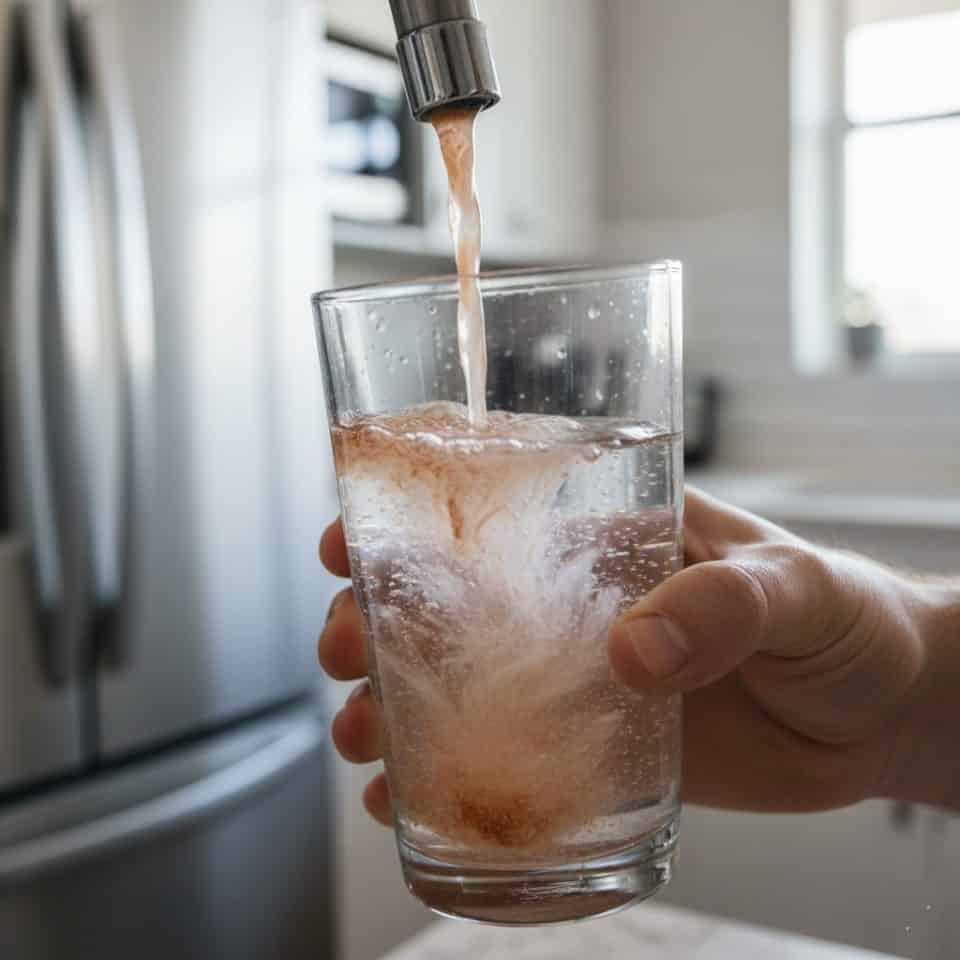
Sometimes tap water comes out looking cloudy, discoloured, or tasting off. This doesn’t necessarily mean it’s unsafe, but it’s worth understanding what’s happening.
Discolouration: Usually caused by sediment being stirred up by changes in water pressure or flow. This can happen when Sydney Water is working on pipes in your area. Running a tap (try an outside tap first) for a few minutes usually clears it. If it persists, contact Sydney Water.
Chlorine taste or smell: More noticeable in some areas than others. Let water stand in an uncovered jug for an hour, or keep a jug in the fridge. The chlorine will dissipate.
Metallic taste: Could indicate copper or other metals leaching from your plumbing. Try the first flush routine mentioned above. If it continues, consider having your water tested or your plumbing inspected.
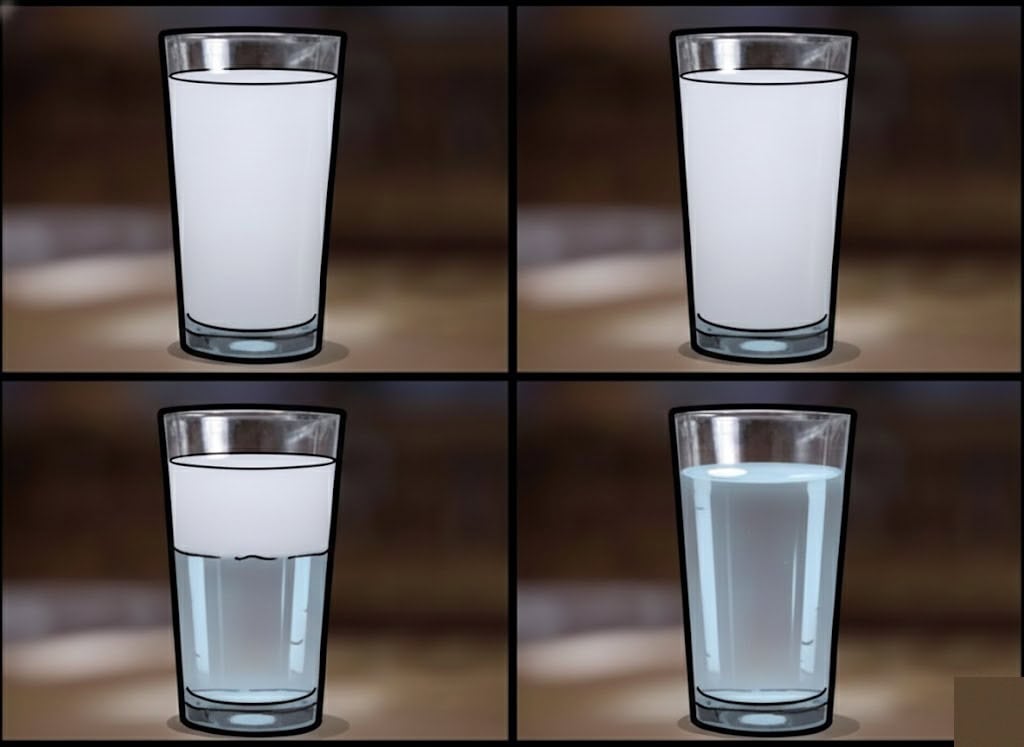
Milky or cloudy appearance: Often just tiny air bubbles, especially in cold weather. Fill a glass and wait a minute. If it clears from the bottom up, it’s just air and completely harmless.
If you notice anything unusual that doesn’t resolve, or if there’s a sudden change in your water quality, contact Sydney Water or check their website for service updates in your area.
Should You Filter Sydney Tap Water?
Sydney’s water is safe to drink straight from the tap. But “safe” and “optimal” aren’t always the same thing. Many people choose to filter for taste, to remove chlorine, or for extra peace of mind about contaminants.
If you’re considering a filter, here’s how the main options compare:
Activated Carbon Filters
These are your standard jug filters, benchtop units, and under-sink carbon systems. They work by trapping contaminants as water passes through porous carbon material.
Good for: Removing chlorine taste and odour, improving taste, reducing some organic compounds and sediment.
Limitations: Won’t remove fluoride, heavy metals like lead, dissolved solids, or PFAS. Basic carbon filters have limited effectiveness compared to more advanced systems.
Cost: Lower upfront cost, relatively inexpensive replacement cartridges.
Reverse Osmosis (RO) Systems
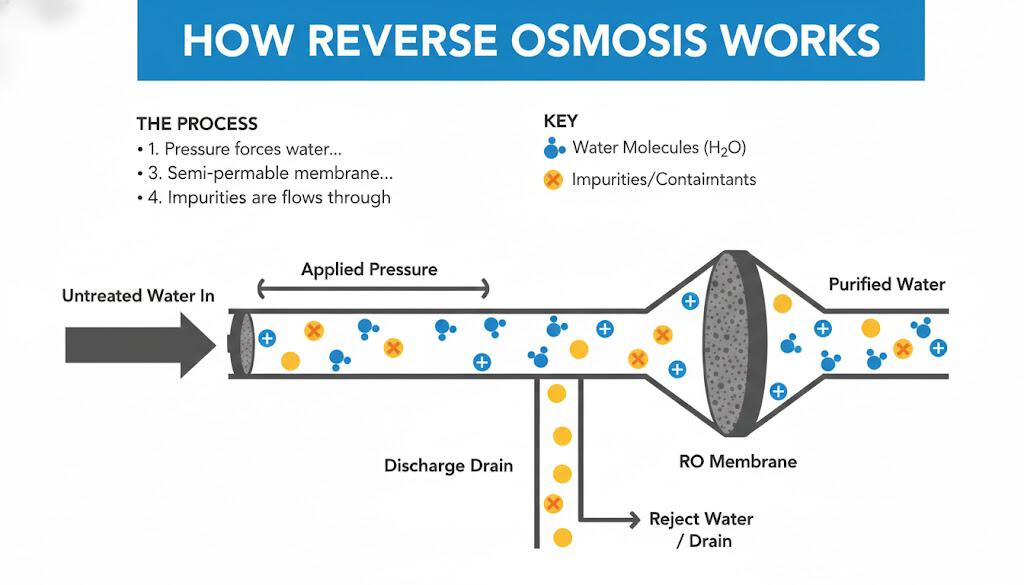
These force water through a semipermeable membrane that blocks particles larger than water molecules. Most RO systems also include carbon pre-filters.
Good for: Removing up to 97% of dissolved solids including heavy metals, PFAS, fluoride, and most contaminants. Produces very pure water.
Limitations: More expensive to install. Wastes water during the filtration process (typically 3-4 litres for every litre of filtered water). Removes beneficial minerals too, though some systems add these back.
Cost: Higher upfront investment, ongoing filter and membrane replacements.
What to look for: Make sure any filter you buy is certified to Australian standards. Look for certification to AS/NZS 4348 or NSF/ANSI 42 and 53. Don’t rely on marketing claims alone.
For most Sydney households, a quality carbon filter handles chlorine taste and provides basic filtration. If you’re specifically concerned about lead, PFAS, or want the purest water possible, reverse osmosis is the more comprehensive option.
Water Warnings and Incidents
Even with excellent treatment systems, incidents can affect water quality. Flooding can wash contaminants into catchments. Algal blooms can produce toxins. Pipe bursts can introduce sediment.
When this happens, authorities issue warnings. These might include:
- Boil water advisories: Boil water for at least one minute before drinking, cooking, or brushing teeth.
- Do not drink advisories: Use bottled or alternative water sources until the issue is resolved.
If you receive a warning, follow official advice immediately. Stay updated via Sydney Water, your local council, or NSW Health.
These events are rare in Sydney, but they do happen. During the 2022 floods, several areas received boil water notices. Being aware of how to respond is part of being a prepared household.
Key Takeaways
- Sydney tap water meets Australian Drinking Water Guidelines and is safe to drink
- “Safe” doesn’t mean “perfectly pure.” Chlorine, fluoride, and trace metals are present at regulated levels
- PFAS levels now meet updated 2025 guidelines across all NSW public water supplies
- Lead contamination typically comes from your home’s brass fittings, not the water supply
- Run cold taps for 2 minutes before drinking, especially first thing in the morning
- Never use hot water from the tap for drinking or cooking
- Sydney’s soft water is gentle on appliances and reduces scale buildup
- Carbon filters improve taste; reverse osmosis removes a wider range of contaminants
Thinking About Your Water Quality?
You could drink Sydney tap water your whole life without any problems. Plenty of people do. But if you’d rather not take chances with chlorine taste, trace metals from old plumbing, or emerging contaminants, filtering your water is a straightforward solution.
Whether you’re dealing with common plumbing problems in an older home or just want advice on improving your water quality, we can help. Regular plumbing maintenance also goes a long way toward preventing issues with your water supply.
If you’re concerned about your water or want to explore filtration options, give the team at Rapid Service Plumbing a call. We’re happy to talk through your options.